Key Takeaways
It has been noted for some time that the human body build has unique features. The body proportions vary among individuals and also impact certain mental aspects, as well as susceptibility to specific ailments. Specific body build is linked to greater or lesser susceptibility to fat tissue accumulation in the whole body or in specific areas. Such differences are also observed in the amount and structure of muscle tissue.
A Systematic Framework for Human Somatotypes: Morphological Body Classification Based on Sheldon’s and Kretschmer’s Theories
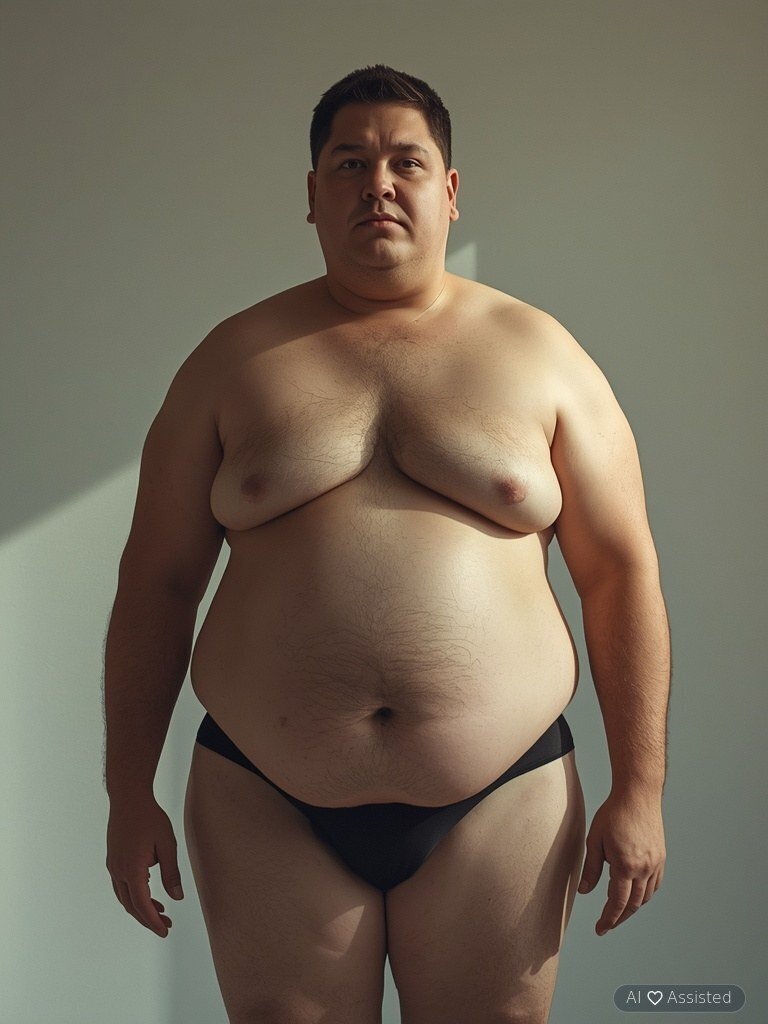
The fascination with the diversity of human body structures dates back to antiquity, when Hippocrates first distinguished between two primary categories: a lean physique and a stocky build. Contemporary anthropology and medicine have since enabled a far more nuanced analysis, allowing for the identification of numerous distinct somatotypes. Among the most influential classifications are those developed by the American psychologist William Herbert Sheldon (Figure 2) and the German psychiatrist Ernst Kretschmer (Figure 1). Kretschmer’s framework divides human constitution into three core types—**pyknic**, **leptosomic**, and **athletic**—whereas Sheldon expanded upon this foundation by introducing more detailed and refined descriptive criteria, defining the **ectomorphic**, **mesomorphic**, and **endomorphic** somatotypes. Despite some terminological discrepancies, both systems remain pivotal tools for examining the interplay between bodily morphology, psychological predispositions, and physiological traits.
The interrelation between somatic constitution and disease susceptibility: a constitutional framework
The constitutional somatotypes under discussion frequently manifest in combined forms, reflecting the inherent complexity of human morphological variation. For instance, an individual exhibiting a predominantly mesomorphic physique may concurrently display certain attributes characteristic of ectomorphy, thereby illustrating the fluid boundaries between these classificatory categories. Epidemiological evidence consistently demonstrates that type 2 diabetes mellitus occurs with significantly greater frequency among individuals with excess body weight—a trait aligned with the endomorphic constitutional type, which is marked by a propensity for adipose tissue accumulation. Conversely, the ectomorphic phenotype, defined by a lean, elongated physique, exhibits an elevated susceptibility to pulmonary tuberculosis. Within the cardiovascular domain, mesomorphic individuals—characterized by well-developed musculature and proportional body composition—demonstrate a higher incidence of coronary artery disease, potentially attributable to variations in lipid metabolism and vascular responsiveness. Psychiatric disorders also exhibit correlations with constitutional typology: hysteria and major depressive episodes are more commonly diagnosed in individuals with endomorphic or mesomorphic builds, whereas schizophrenia remains statistically associated with the ectomorphic phenotype. In contrast, bipolar affective disorders (including manic-depressive psychosis and cyclophrenia) predominate in populations exhibiting endomorphic and mesomorphic traits. It is crucial to emphasize that these associations do not imply deterministic causality but rather indicate an increased probabilistic tendency for specific pathological conditions to emerge within these constitutional groups. Reliable somatotypic classification becomes feasible only upon completion of pubertal maturation processes, typically between the ages of 20 and 25, when morphological and metabolic parameters reach stability. Disparities in predisposition toward muscular hypertrophy are equally pronounced: mesomorphic individuals achieve muscle mass gains with comparatively less effort, whereas ectomorphs must dedicate substantially more time and energy to attain similar outcomes. An analogous principle applies to adipose tissue distribution—certain individuals, despite adhering to identical dietary regimens in terms of caloric intake and macronutrient composition, exhibit an enhanced tendency for adipogenesis, while others experience this process to a far lesser degree, underscoring the role of individualized metabolic and hormonal determinants.
Somatotype and Dietary Personalization: Macronutrient Optimization for Ectomorphs, Mesomorphs, and Endomorphs
Variations in constitutional somatotype dictate distinct resting metabolic rates, carbohydrate tolerances, and peripheral insulin sensitivities. The ectomorphic phenotype, endowed with high spontaneous physical activity (NEAT) and rapid caloric turnover, thrives on higher carbohydrate allocations (50–60% of total energy) alongside an aggressive caloric surplus to sustain muscular anabolism.
Conversely, endomorphic individuals typically display blunted insulin sensitivity and enhanced lipogenic efficiency, benefiting clinically from a lower-carbohydrate paradigm emphasizing healthy monounsaturated and polyunsaturated fats alongside elevated protein density (1.8–2.2 g/kg) to stabilize satiety and downregulate hunger hormones. Mesomorphs maintain high metabolic flexibility and neuromuscular recovery, thriving on an equicaloric distribution (approximately 40% carbohydrates, 30% protein, 30% lipids) supporting body recomposition and lean mass accretion.
Overcoming Genetic Predispositions: The Interplay of Resistance Training and Body Composition
While somatic typology possesses clear polygenic underpinnings, exercise physiology confirms that constitutional morphology is not a static biological destiny. Progressive resistance training represents the most potent epigenetic modulator of body composition, upregulating musculoskeletal GLUT-4 translocation independently of baseline somatotype.
In endomorphic subjects, increasing skeletal muscle mass permanently elevates basal metabolic rate and mitigates visceral adiposity by enhancing whole-body insulin sensitivity. In ectomorphs, structured hypertrophy training with strict volume periodization circumvents chronic muscular catabolism. Aligning physical protocols with individual morphology empowers sustainable progress rather than genetic frustration.