Bread - Criteria for Selection and Recipe for Homemade Bread

Olivia Davis
✓
Diets Premium Expert • 25.03.2026
✓
Scientifically reviewed by a clinical dietitian:
This article has been peer-reviewed for adherence to IŻŻ, WHO, and PTGiP clinical nutritional standards.
| Diets Premium Expert Olivia Davis | min read 3 min | Scientifically reviewed by a clinical dietitian 25.03.2026 |
Smart Voice
•Listen to the article content live
0:00
/
0:00
Key Takeaways
Nowadays, a significant number of individuals who are contemplating a dietary change are questioning whether bread should be removed from their daily food intake. Bread is often mistakenly perceived as a source of calories that may lead to overweight or food allergies. However, these claims are nothing more than myths. So, what factors should be taken into account when selecting the appropriate type of bread?
Meal Plan
Want to apply these guidelines in your daily diet?
Our smart diet generator creates a tailored meal plan in 3 minutes based on the recommendations in this article.
Which type of bakery should we select?
There are numerous types of bread or bakery products available in food stores, including both light and dark, pulpy or dense. But which ones are best for us? The answer to this question is provided by the Institute of Food and Nutrition. According to their recommendations, the percentage distribution of bread in our daily diet should be as follows: 15% dark (race) bread, either wheat or rye, 20% light wheat bread, and 65% light rye bread. What makes these types of bread different from each other? Rye bread, due to its lower processing degree, contains more nutrients, including fiber. This bread is also characterized by a lower glycemic index and is recommended in low-energy diets. However, it is important to note that rye bread is difficult to digest, so if there is an indication for a light digestible diet, another type of bread should be chosen. If we choose dark bread, we should be wary of manufacturer tricks, as a dark color does not automatically mean high quality. A common practice is the production of bread from light wheat flour and the addition of substances such as caramel, ground chicory, or dark malt. Remember, dark bread will always be heavier, denser, moister, and have a characteristic gray color. On the other hand, wheat bread is always light and airy.
Nutritional components present in bread products
Baked goods are products that provide a significant amount of nutrients, including: a substantial amount of carbohydrates, which are the primary energy source for the body required for maintaining proper brain function; a small quantity of protein, the body's main building block, as well as fats, which serve as an energy source; minerals such as sodium, potassium, phosphorus, and vitamins; fiber, which aids in digestion, positively impacts blood circulation, and protects against certain cancers. The calorie content of rye baked goods is not significantly different from that of wheat baked goods and is nearly 300 kcal per 100 g. However, what distinguishes these baked goods types is their fiber content. Consuming 100 g of wheat baked goods provides approximately 3 g of fiber, while 100 g of rye baked goods contains about 7.9 g of fiber.
Suggestion for creating bread manually
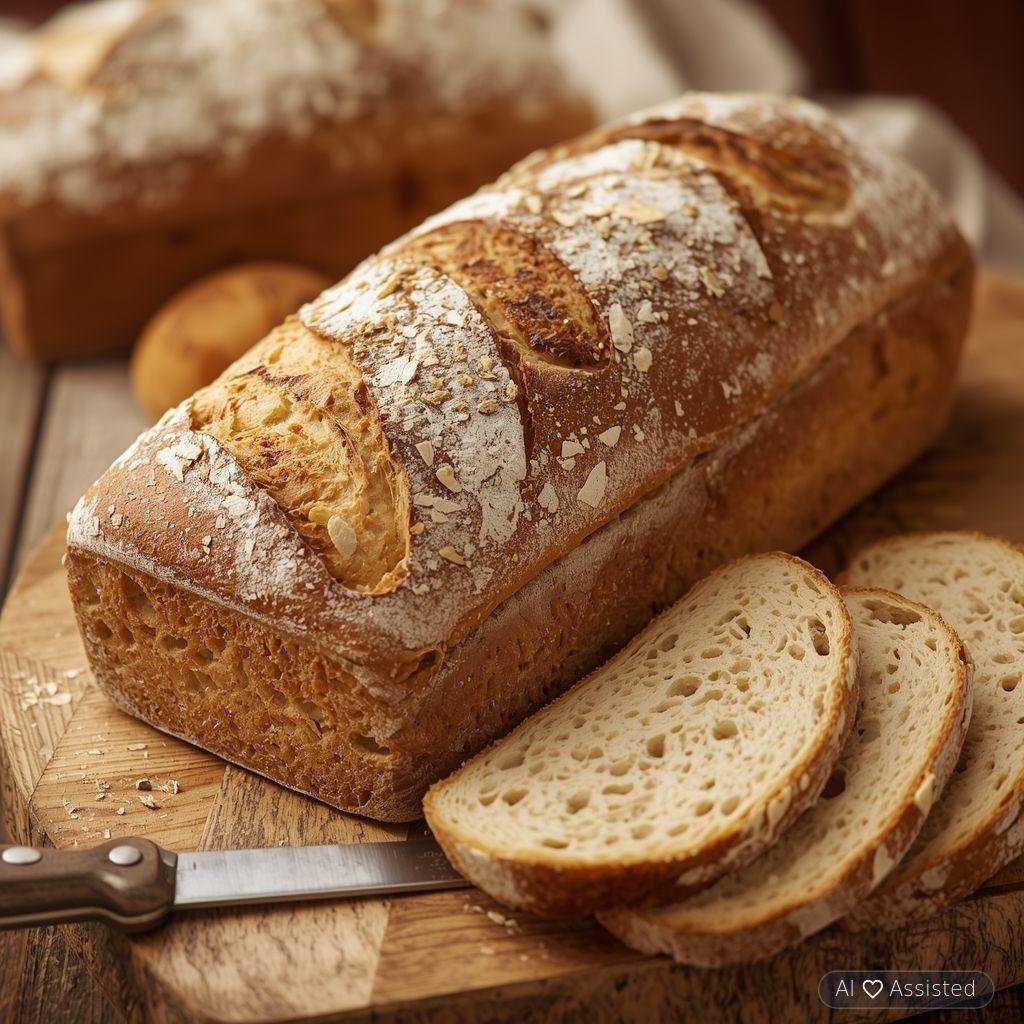
If you're worried about eating store-bought bread, you can take some time and make your own bread. Here is a recipe for homemade barley bread. Ingredients: 41⁄2 cups of barley flour, type 720 (500 g), 1⁄2 pieces of fresh yeast (50 g), 2 tablespoons of salt (10 g), 2 cups of warm water (450–500 ml), 2 spoons of honey (24 g), and 3 teaspoons of oil (30 g). The dough must be mixed with about 400 ml of water and left for about 10 minutes. Then, add a little more salt, honey, oil, and yeast that has been previously dissolved in about 50 ml of water. Mix everything together (if the dough is too thick, you need to add water). The dough should be left for about 60–120 minutes to rise. When it has risen, mix it gently and transfer it to a large baking tray lined with baking paper. The dough should be left for a further 60–120 minutes and can be left in a warm place, such as a radiator. The bread should be baked in an oven preheated to 200°C for about 15 minutes, then the temperature should be lowered to 180°C and baked for about 50 minutes. The nutritional value of the whole dough: calories – 2079.6 kcal, protein – 35.2 g, fat – 39.5 g, carbohydrates – 377.6 g, fiber – 35.7 g.

Olivia Davis
✓Diets Premium Expert
Diets Premium team expert. Specializes in nutrition plans, strength sports, and training plans.
View Profile →