Plant-Based Nourishment During Lactation

Oliwia Kaczmarek
2026-03-21
8 min. read
1 / 1
1845
views
1 zdjęcie
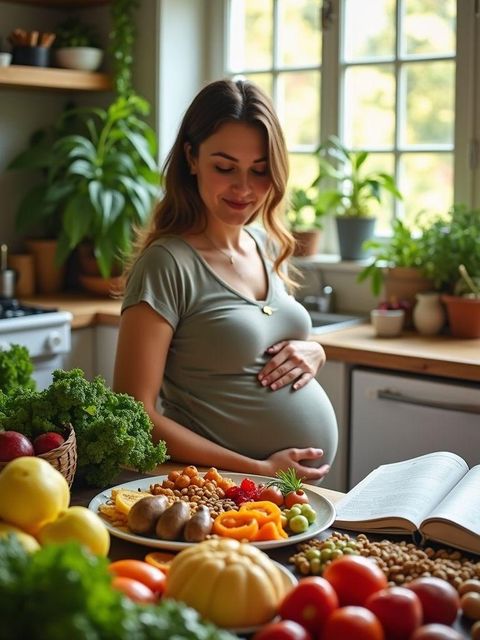
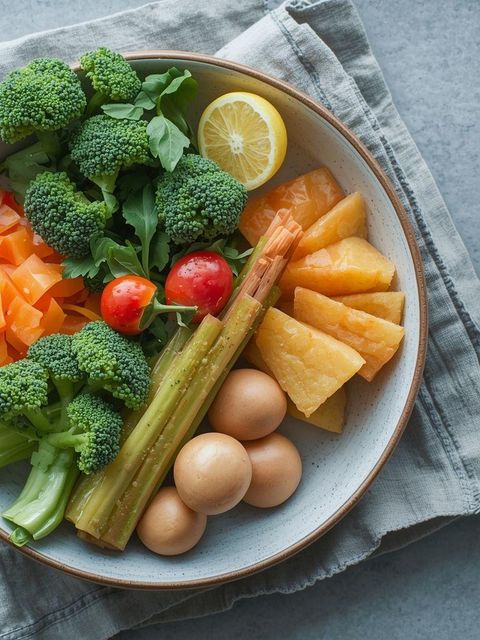
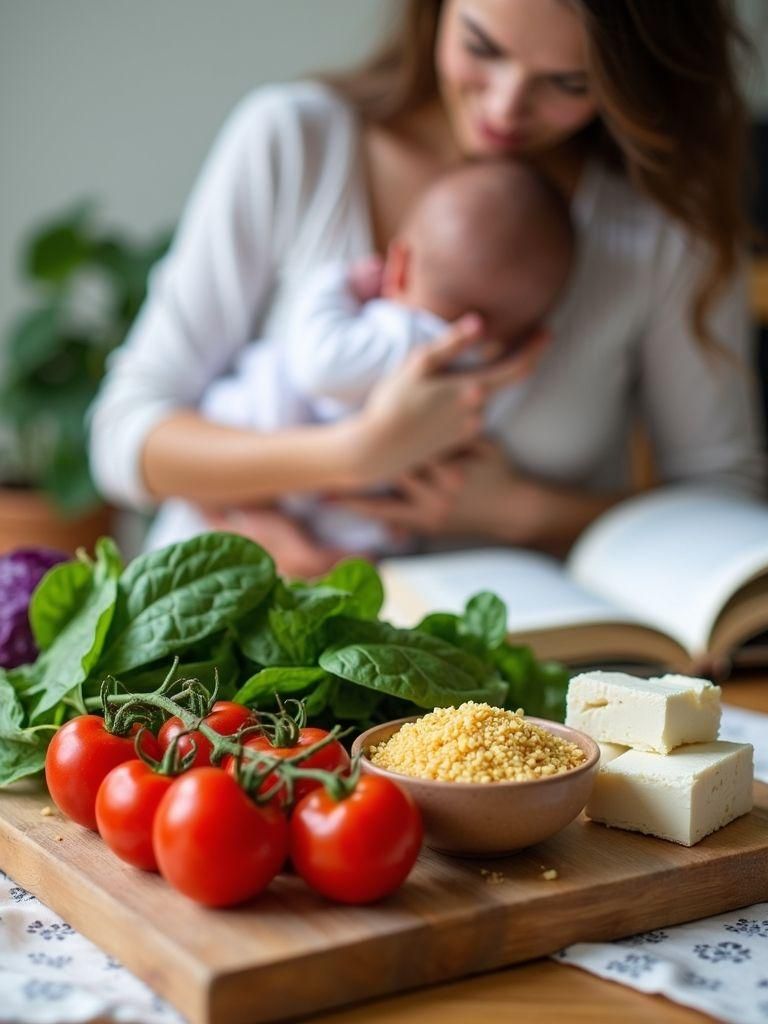
Plant-based diets that exclude meat and animal products have been increasingly adopted in recent years. People of different ages decide to implement them for various reasons – often also breastfeeding mothers. What should be considered when planning such a diet during this period and whether the abstention from meat and animal products is feasible here?
Types of plant-based dietary regimens and the safety of their application
Among the plant-based dietary regimens, there are various variants - the most popular ones include vegetarianism (also known as lacto-vegetarianism), which involves abstaining from eating meat and fish, but allowing animal products (e.g. eggs, milk, honey), and veganism, which excludes meat, fish, and all other animal-derived products. Some people also abstain from dairy, but in their diets they allow consuming eggs (ovo-vegetarianism) or including dairy products in their diets, but excluding eggs (lacto-vegetarianism). The position of the American Academy of Nutrition and Dietetics states that properly planned vegetarian and vegan diets can be safely used during any stage of life, including lactation. This opinion is also supported by the Polish group of experts on nutrition recommendations during lactation (A. Bzikowska-Jura et al. 2023). However, the term 'properly planned' is key, which means that the diet must be balanced in such a way as to provide necessary amounts of nutrients and energy and at the same time consider the needs of breastfeeding women.
You have started reading a PRO article
You can preview the first chapter. To read the complete article and unlock all content, upgrade to a PRO account.