How to Avoid Hunger on a Diet - Effective Techniques and Guidelines

Alicja Kowalska
2026-03-25
6 min. read

1 / 1
20
views
1 zdjęcie
Feeling hungry during a diet can effectively discourage maintaining healthy habits and impede achieving goals. Despite sincere intentions, an empty stomach often reminds itself of itself and leads to constant thoughts revolving around food. Contrary to appearances, effective weight loss does not require fasting or renouncing favorite flavors. The key is properly arranging meals, correctly hydrating the body, and a few simple tricks that ensure long-lasting satiety. These proven solutions can make the diet not only healthier but also significantly easier to maintain.
Ensure that meals are well-balanced
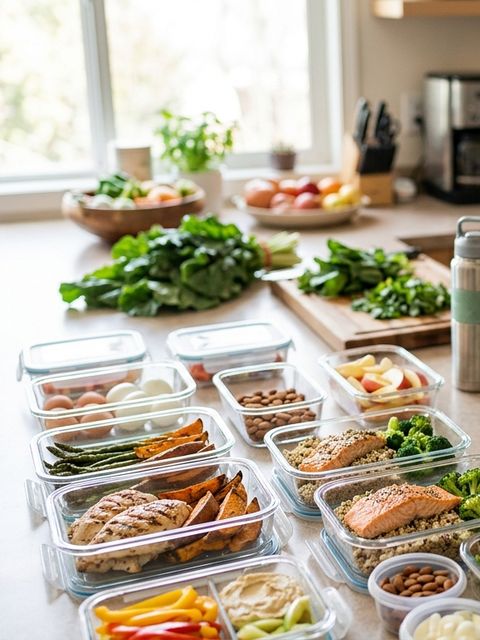
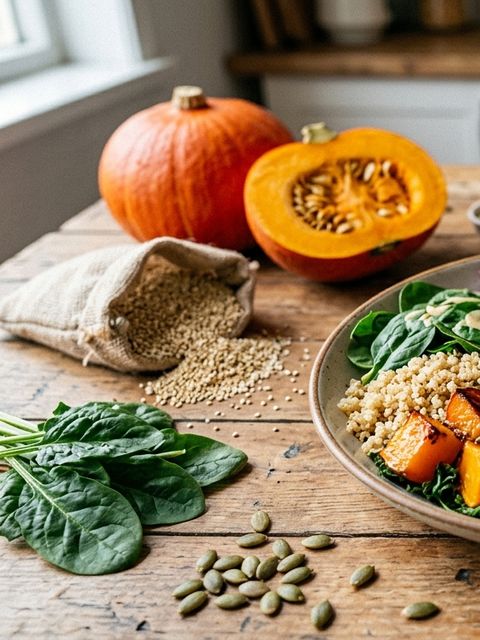
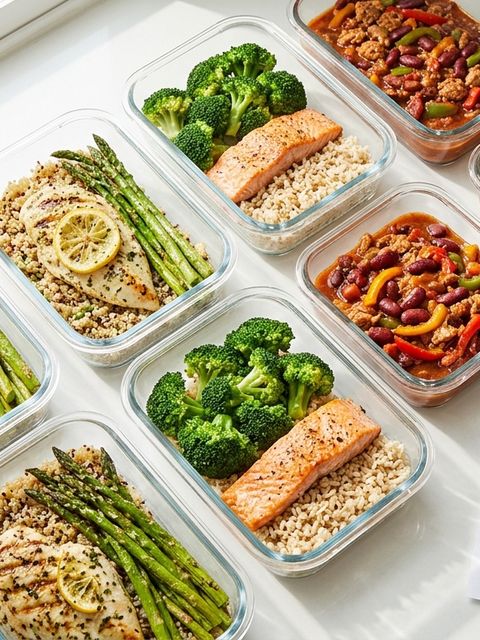
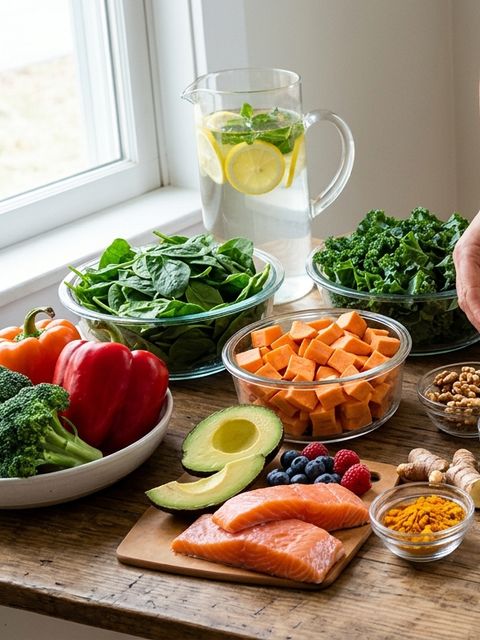
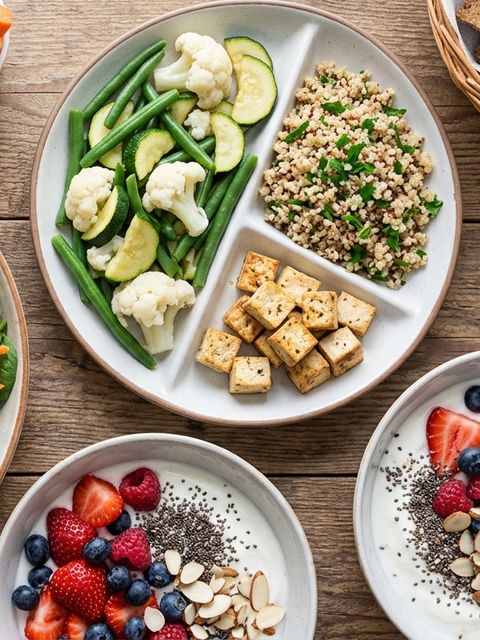
Proper balancing of meals, including adequate proportions of protein, complex carbohydrates, and unsaturated fatty acids, plays an important role in maintaining long-term satiety. Protein, present in products such as lean meat, fish, dairy or pulses, not only supports regenerative processes and muscle mass development, but also demonstrates significant appetite suppressing effects by increasing the release of satiety hormones. Complex carbohydrates, found in whole grain products, cereals, or vegetables, provide a stable and long-lasting energy source that prevents rapid fluctuations in blood sugar levels, thus preventing sudden hunger attacks. Adding unsaturated fatty acids such as plant oils, seeds, nuts, fatty sea fish, or avocados contributes to slowing down stomach emptying and stabilizing blood sugar levels, which further prolongs the feeling of satiety. An important component of each meal should also be vegetables, which, due to their high content of fiber, vitamins, and minerals, not only support digestion, but also enhance the satiety effect and improve the overall well-being of the body (H. Ciborowska, A. Rudnicka 2021).
You have started reading a PRO article
You can preview the first chapter. To read the complete article and unlock all content, upgrade to a PRO account.