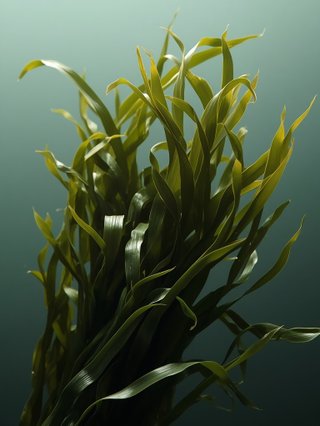
"Green blood" from sea algae – the best source


Table of Contents 5
Medical & Editorial Disclaimer (§3 Terms): This article is for informational and educational purposes only, does not constitute medical advice, diagnosis, or treatment, and is used at your own risk. Consult a qualified physician for medical conditions.
Beyond their remarkable chlorophyll density, microalgae offer complete protein containing all essential amino acids, B-complex vitamins, bioavailable non-heme iron, zinc, and specialized nucleotide-peptide complexes that assist normal cellular renewal. From a physiological perspective, broken-cell-wall chlorella features a fibrous sporopollenin matrix capable of binding environmental xenobiotics and heavy metals within the intestinal lumen, helping to limit their reabsorption while supporting natural hepatic conjugation pathways. Furthermore, microalgal sulfated polysaccharides and soluble fibers contribute to mucosal immune defense, help maintain healthy serum lipid levels, and act as prebiotic substrates that nourish beneficial lactic acid gut microbiota.
Translating these insights into safe daily practice requires selecting certified algae cultivated in controlled, closed photobioreactors, as aquatic organisms can naturally bioaccumulate environmental impurities from open waters. Consumers should prioritize batch-tested preparations verified to be free from heavy metals, polycyclic aromatic hydrocarbons, and microcystins. When choosing chlorella, verifying that the preparation features a mechanically pulverized cell wall is essential for digestive enzymatic access, and incorporating these nutrient-dense superfoods into a balanced diet should always be done gradually alongside ample clean water.
The phrase „green blood“ refers to chlorophyll—the photosynthetic pigment whose molecular architecture bears an extraordinary resemblance to human heme. While chlorophyll exists across terrestrial flora, aquatic microalgae such as chlorella and spirulina deliver its most concentrated and bioavailable matrix on the planet. In this comprehensive review, we investigate the biochemical properties of algae-derived chlorophyll, its heavy metal chelation mechanisms, and its profound benefits for erythropoiesis, detoxification, and immune vitality.
Chlorophyll and Hemoglobin: Biochemical Foundations of „Green Blood“
The chemical structure of the porphyrin ring in chlorophyll is virtually isomorphic to the heme moiety in human hemoglobin. The fundamental structural divergence lies in the coordinating central ion: heme coordinates divalent iron (Fe2+), whereas chlorophyll binds magnesium (Mg2+).
Because of this stereochemical kinship, chlorophyll acts as an erythropoietic adjuvant, stimulating bone marrow reticulocyte output and enhancing cellular oxygen carrying capacity. Regular ingestion of microalgal chlorophyll substantially supports clinical management of iron-deficiency states and chronic fatigue.
Nutritional Profile of Microalgae: Spirulina, Chlorella, and Green Algae as Superfoods
Chlorella (Chlorella vulgaris) boasts the highest documented chlorophyll density in the biosphere, ranging from 3% to 5% of dry biomass. Microalgae also offer over 60% complete protein containing all essential amino acids, rendering them an exceptional nutrient source for plant-based athletes.
Additionally, they supply B-complex vitamins, bioavailable non-heme iron, zinc, and the proprietary Chlorella Growth Factor (CGF)—a nucleotide-peptide complex rich in RNA and DNA that accelerates cellular repair and tissue recovery.
Cellular Detoxification Mechanisms: Heavy Metal Chelation and Liver Protection
The most validated pharmacological attribute of broken-cell-wall chlorella is its sporopollenin-rich cellulosic matrix, which demonstrates affinity for sequestering toxic heavy metals (cadmium, mercury, lead), dioxins, and halogenated pesticides within the intestinal lumen.
These xenobiotics form insoluble chelates that are safely excreted, completely halting enterohepatic recirculation. Simultaneously, chlorophyll induces hepatic Phase II conjugation enzymes, promoting systemic biochemical cleansing.
Impact of Marine Algae on the Immune System, Lipid Metabolism, and Microbiota
Microalgal sulfated polysaccharides act as potent biological response modifiers, stimulating macrophage phagocytosis, activating natural killer (NK) cells, and upregulating secretory IgA along mucosal barriers to ward off microbial pathogens.
Furthermore, marine algae improve lipid metabolism by reducing circulating low-density lipoprotein (LDL) and serum triglycerides. Their soluble fiber matrix acts as an prebiotic substrate that feeds commensal lactic acid bacterial species.
Safe Usage, Microbiological Purity Standards, and Recommended Dosages
Because microalgae naturally bioaccumulate aquatic impurities, selecting certified products cultivated in controlled closed photobioreactors with batch-tested verification against heavy metals, PAHs, and microcystins is critical.
Therapy should commence at low dosages (1–2 g daily) and gradually titrate toward 3–5 g per day, accompanied by copious clean water. For chlorella preparations, verifying a mechanically pulverized cell wall is mandatory to ensure enzymatic nutrient accessibility.
Want to apply these guidelines in your daily diet?
Our smart diet generator creates a tailored meal plan in 3 minutes based on the recommendations in this article.
Tags

Wojciech Wiśniewski
• 25.11.2026Diets Premium Expert
Diets Premium team expert. Specializes in nutrition plans, strength sports, and training plans.