3 min read
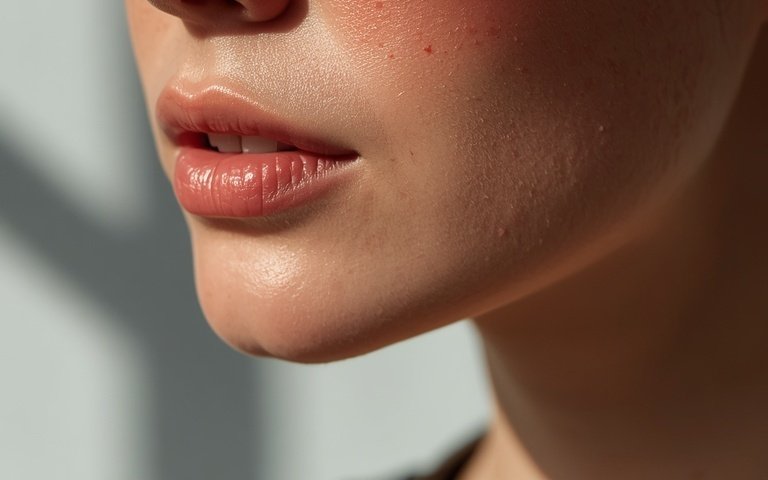
Facial flushing - symptoms, triggers, and treatment of a chronic skin condition

1 photo
540
Smart Voice
AI
0:00
0:00
Listen to the article content live
Table of Contents 3
Medical & Editorial Disclaimer (§3 Terms): This article is for informational and educational purposes only, does not constitute medical advice, diagnosis, or treatment, and is used at your own risk. Consult a qualified physician for medical conditions.
Clinical E-Books & Diet Plans:
Explore E-Books & Plans →
Key Takeaways
Facial redness, commonly known as rosacea, is a chronic skin condition characterized by persistent erythema that can significantly impact an individual's well-being. Understanding its symptoms, precipitating factors, and available treatment options is crucial for improving quality of life and mitigating the progression of the condition.
This dermatological disorder typically manifests with redness concentrated on the forehead, cheeks, nose, and chin, which may intensify in response to triggers such as spicy foods, alcohol consumption, or abrupt thermal fluctuations. The initial phase often involves visible, dilated blood vessels, which can progressively worsen into inflammatory lesions. While the precise etiology of rosacea remains incompletely understood, genetic predispositions and individual physiological susceptibilities play a significant role.
For daily health and nutrition, it is advisable to avoid known triggers and practice diligent skincare. Management often requires patience and consistent adherence to specialized formulations that enhance microcirculation within the facial skin and possess anti-inflammatory and antibacterial properties. A conscious selection of skincare products tailored to the needs of sensitive skin is also an essential component of a comprehensive therapeutic approach.
Affects 10% of the population in the age range of 25-35 and 45-55. May be a result of hormonal imbalances, but also of vascular disorders, which over time lead to the dilation of blood vessels and the development of telangiectasia. Blotches and bumps appear accompanied by a burning and itching sensation.
01 / 03
Rosacea: Clinical manifestations, progressive stages, and diagnostic features of the dermatological condition
Rosacea is a chronic inflammatory dermatosis primarily distinguished by persistent facial erythema localized to the central regions—particularly the forehead, cheeks, nose, and chin—which intensifies in response to triggering factors such as the ingestion of spicy foods, alcohol consumption, or exposure to abrupt thermal fluctuations. The initial phase is marked by telangiectasias, or visibly dilated superficial blood vessels, which progressively worsen alongside inflammatory lesions including papules, pustules, and infiltrative nodules. In advanced stages, the erythema becomes permanent, closely resembling the clinical presentation of sunburn. The condition is classified into four principal subtypes: (1) erythematotelangiectatic rosacea, (2) papulopustular rosacea, (3) phymatous rosacea characterized by hypertrophic skin alterations, and (4) ocular rosacea, each exhibiting distinct symptomatic profiles and potential complications.
02 / 03
Rosacea: Etiological factors and predisposing conditions in the development of the cutaneous disorder
The precise etiology of rosacea remains incompletely understood and continues to be an active area of scientific investigation. Current evidence suggests that genetic predispositions, alongside individual physiological susceptibilities, play a pivotal role in the development of this dermatological condition. Epidemiological observations indicate a higher prevalence among women, with the disease typically manifesting more severely and acutely in female patients compared to their male counterparts. Contributing factors that may facilitate the onset of rosacea include endocrine disorders, an increased propensity for allergic reactions, and hypertensive conditions. Furthermore, a multitude of exogenous and endogenous triggers have been identified as capable of significantly exacerbating the clinical course of the disease. These include chronic psychological stress, excessive exposure to ultraviolet radiation, a diet rich in fatty and difficult-to-digest foods, frequent sauna use, regular swimming pool visits, the administration of pharmacological lipid-lowering agents, and high-dose supplementation with B-complex vitamins (particularly B6 and B12). Clinical research has also established a correlation between gastrointestinal dysfunctions—primarily gastric disorders—and an elevated susceptibility to rosacea. Additionally, symptoms have been observed to emerge or intensify in women during the menopausal transition, suggesting a potential influence of hormonal fluctuations on the pathogenesis of the condition.
03 / 03
Rosacea management: A comprehensive therapeutic approach for persistent facial erythema and inflammatory skin lesions
The management of rosacea frequently extends over prolonged periods, necessitating consistent patience and adherence to prescribed regimens from affected individuals. Pharmacological interventions primarily focus on enhancing microcirculation within facial skin through the application of specialized formulations possessing anti-inflammatory, antibacterial, and epidermis-regenerating properties. An equally critical component of effective treatment involves the careful selection of skincare products that maintain optimal hydration levels without inducing irritation. Procedures involving mechanical exfoliation or thermal stimulation should be avoided, as these may exacerbate existing symptoms. In severe cases, dermatologists may implement targeted antibiotic therapy to mitigate cutaneous lesions. Notably, colloidal silver demonstrates promising adjunctive properties in the treatment of this condition. Rosacea represents a chronic, burdensome dermatological disorder affecting a substantial portion of the population. Initially subtle erythema can progressively transform into extensive inflammatory foci. Individuals diagnosed with this condition should eliminate known irritants such as temperature extremes, spicy foods, and inappropriate cosmetic procedures. While treatment duration can be extensive, strict compliance with medical recommendations typically results in significant symptom alleviation and improved skin appearance.
Meal Plan
Want to apply these guidelines in your daily diet?
Our smart diet generator creates a tailored meal plan in 3 minutes based on the recommendations in this article.

mgr Mateusz Pawlak
• 25.11.2026Diets Premium Expert
Diets Premium team expert. Specializes in nutrition plans, strength sports, and training plans.