Citrus fruits worth including in your daily diet
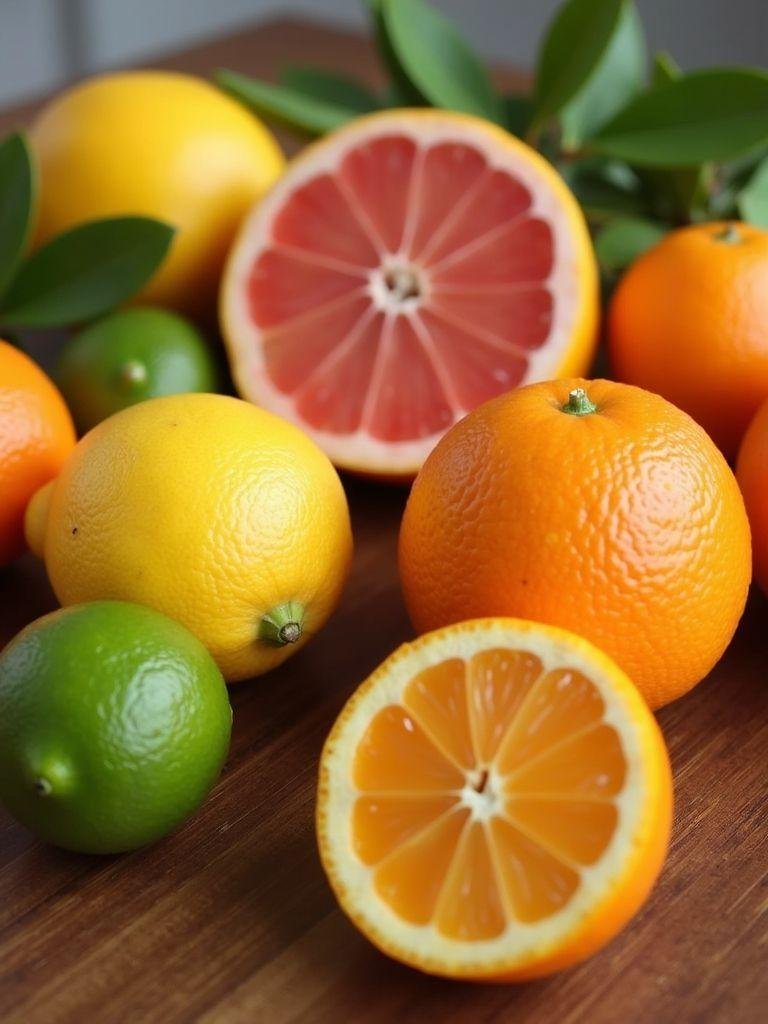
Table of Contents 4
Medical & Editorial Disclaimer (§3 Terms): This article is for informational and educational purposes only, does not constitute medical advice, diagnosis, or treatment, and is used at your own risk. Consult a qualified physician for medical conditions.
From a physiological perspective, the health benefits of citrus varieties stem from the interplay between ascorbic acid, soluble pectin fibers, and bioflavonoids such as hesperidin and naringenin concentrated in the inner white pith, known as the albedo. While vitamin C plays a vital role in collagen biosynthesis and free radical scavenging, pectin fibers help moderate postprandial glycemic responses. Furthermore, oranges and mandarins provide dietary potassium that contributes to healthy blood pressure regulation, whereas citric acid compounds in lemons and limes stimulate gastric and bile secretions while binding free urinary calcium to help reduce the risk of calcium oxalate kidney stone formation. The discussion also highlights a critical clinical nuance regarding grapefruits: although naringenin is studied for supporting cellular insulin sensitivity, grapefruit furanocoumarins strongly inhibit specific intestinal cytochrome enzymes, which can dangerously elevate blood concentrations of prescription medications like statins and calcium-channel blockers.
To maximize nutritional value in daily life, readers are encouraged to consume whole fruit segments rather than strained juices, ensuring complete retention of pectin fibers and pith bioflavonoids for steady carbohydrate absorption. Starting the morning with water infused with fresh lemon or lime juice offers a simple, practical way to encourage optimal hydration and digestive comfort. Finally, individuals taking prescription medications should always consult their physician or pharmacist before consuming grapefruit products to prevent adverse drug interactions.
Citrus fruits have long been celebrated for their vibrant flavors and exceptional abundance of vitamins, minerals, and bioflavonoids. They represent an outstanding addition to a balanced dietary pattern, promoting immune resilience, non-heme iron absorption, and cardiovascular wellness.
Nutritional Value of Citrus – Vitamin C, Hesperidin, and Soluble Fiber
Citrus varieties are universally recognized for ascorbic acid (vitamin C), a potent antioxidant critical for collagen biosíntesis and radical scavenging. Furthermore, the inner white pith (albedo) is rich in citrus bioflavonoids (notably hesperidin and naringenin) and pectin fibers that moderate postprandial glycemic excursions.
Lemons and Limes – Digestive Support and Optimal Hydration
Fresh lemon or lime juice diluted in morning water stimulates gastric secretions and gallbladder bile flow, optimizing digestive comfort. In addition, dietary citrate binds free urinary calcium, substantially reducing the risk of painful calcium oxalate kidney stone formation.
Oranges and Mandarins – Bioflavonoids and Potassium for Vascular Health
A medium orange covers over 100% of the recommended daily intake of vitamin C while delivering approximately 250 mg of potassium, supporting healthy blood pressure regulation. Eating whole fruit segments rather than strained juice ensures full fiber retention and steady carbohydrate absorption.
Grapefruits – Metabolic Benefits and Critical Drug Interactions
Grapefruits contain naringenin, a compound investigated for improving cellular insulin sensitivity. However, furanocoumarins in grapefruit strongly inhibit intestinal cytochrome P450 enzyme CYP3A4, markedly increasing blood levels of medications such as statins and calcium-channel blockers. Patients taking prescription drugs should always consult their physician.
Want to apply these guidelines in your daily diet?
Our smart diet generator creates a tailored meal plan in 3 minutes based on the recommendations in this article.

Olivia Davis
• 25.11.2026Diets Premium Expert
Diets Premium team expert. Specializes in nutrition plans, strength sports, and training plans.