Sunflower seed oil – nutritional properties, culinary applications, and physiological impact
Smart Voice
AITable of Contents 5
Throughout recent decades, sunflower seed oil has established itself as one of the most widely consumed vegetable oils in culinary and domestic food preparation globally. Depending on its processing—whether unrefined cold-pressed or refined—it offers distinct health and culinary attributes, delivering an abundant supply of vitamin E, phytosterols, and unsaturated fatty acids.
Characteristics and popularity of sunflower oil
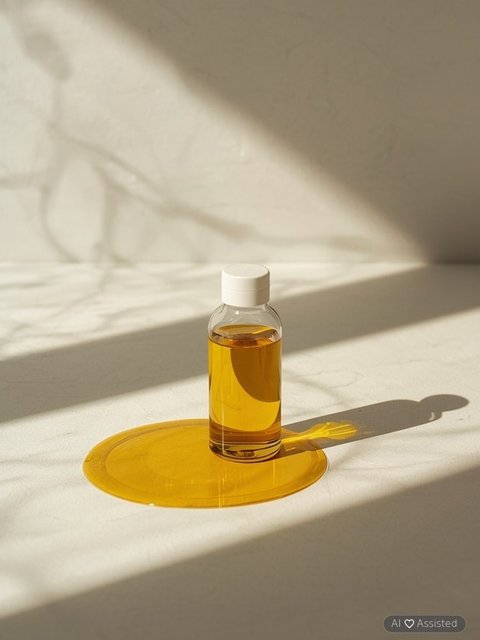
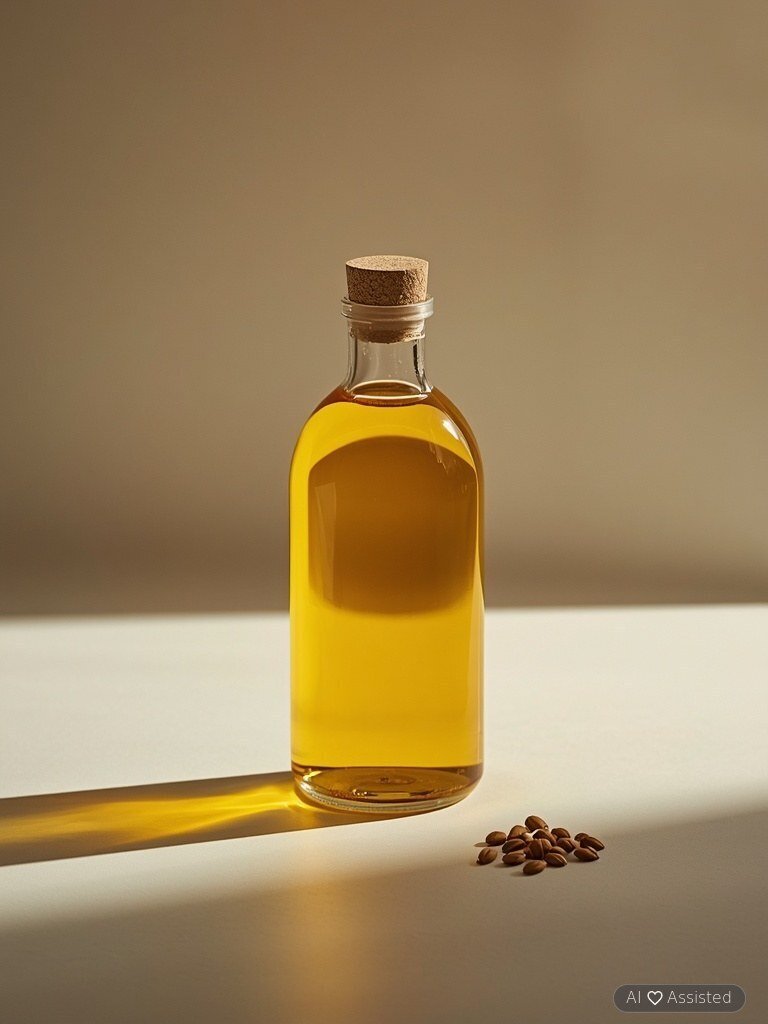
The enduring popularity of sunflower oil reflects a widespread consumer desire for natural, plant-based lipid sources free from industrial trans fats and hydrogenated oils. Extracted from the seeds of the common sunflower (Helianthus annuus), it is primarily distributed as unrefined cold-pressed oil or as refined cooking oil with enhanced heat resistance.
Nutritional properties, vitamin E, and lipid balance
Sunflower oil is characterized by an exceptionally rich concentration of natural vitamin E (approximately 40–50 mg per 100 g), generously satisfying daily nutritional requirements for this paramount antioxidant. Vitamin E preserves membrane lipids against oxidative insults, fosters vascular elasticity, and attenuates cutaneous aging.
Furthermore, sunflower oil yields significant phytosterols (250–300 mg/100 g), which impede intestinal cholesterol uptake. Because conventional sunflower oil predominantly features linoleic acid (omega-6) with minimal omega-3 content, it should be harmoniously combined with dietary omega-3 sources such as fatty fish, flaxseeds, and walnuts.
Oil pulling with sunflower oil – method and principles
Oil pulling is a traditional oral hygiene modality rooted in Ayurvedic tradition and widely introduced to Europe in the early 1990s. The protocol involves swishing one tablespoon of unrefined cold-pressed sunflower oil through interdental spaces for 15–20 minutes in the morning on an empty stomach.
Throughout this mechanical agitation, the lipophilic fluid traps oral microbes, lipid-soluble impurities, and cellular debris. Upon completion, the fluid must be expectorated and the mouth thoroughly rinsed with warm water.
Benefits for oral hygiene and dental plaque reduction
Clinical trials corroborate that consistent botanical oil pulling substantially diminishes salivary counts of Streptococcus mutans, a primary microbial driver of dental caries, while decreasing dental plaque accumulation.
The regimen provides valuable supportive care in managing gingival inflammation, mitigates halitosis (bad breath), and fosters a healthier oral microbial equilibrium.
Safety guidelines, recommendations, and limitations
Oil pulling represents a safe and non-invasive complementary hygiene practice, provided the emulsified liquid is never swallowed. It must always be viewed as an adjunct to, and never a substitute for, conventional mechanical tooth brushing, flossing, and professional dental check-ups.
Want to apply these guidelines in your daily diet?
Our smart diet generator creates a tailored meal plan in 3 minutes based on the recommendations in this article.
Tags

mgr Literatura: Jeszka J.: Energia. W: Gawęcki J. (red.), Żywienie człowieka. Podstawy nauk o żywieniu. Wyd. PWN. Warszawa 2010. http://nutritiondata.self.com/facts/fats-and-oils/623/2 . Dostęp 5.10.2017r. Jarosz. M. (red.), Praktyczny podręcznik dietetyki Wyd. IŻŻ, Warszawa 2010. Bostick RM, Potter JD, McKenzie DR, Sellers TA, Kushi LH, Steinmetz KA, et al. Reduced risk of colon cancer with high intakes of vitamin E: the Iowa Women’s Health Study. Cancer Res 1993;15:4230-17. Schagen SK, Zampeli VA, Makrantonaki E et al. Discovering the link between nutrition and skin aging. DermatoEndocrinol 2012, 4(3): 298–307. 7 Danby SG, Alenezi T, Sultan A, et al. Effect of olive and sunflower seed oil on the adult skin barrier: implications for neonatal skin care . Pediatr Dermatol. 2013;30(1):42-50. Leonardo Velasco * , Álvaro Fernández-Cuesta and José M. Fernández-Martínez. New sunflower seeds with high contents of phytosterols. Institute for Sustainable Agriculture (IAS-CSIC), Spain. OCL 2014, 21(6) D604. Dietschy JM . Dietary fatty acids and the regulation of plasma low density lipoprotein cholesterol concentrations. J Nutr. Feb;128(2 Suppl):444S-448S. Philip C. Calder . Omega-3 Fatty Acids and Inflammatory Processes. Nutrients . 2010 Mar; 2(3): 355–374 Parolia A. Oil hygiene. Br Dent J. 2009;207:408 http://www.oilpulling.org/oil-pulling . Dostęp: 5.10.2017r. Peedikayil F.C., Sreenivasan P., Narayanan A. Effect of coconut oil in plaque related gingivitis – a preliminary report. Niger Med J. 2015;56:143–14 Oakley C. Should you try oil pulling. WebMD. Pozyskano z : http://www.webmd.com/oral-health/features/oil-pulling . Dostęp: 5.10.2017r Asokan S., Emmadi P., Chamundeswari R. Effect of oil pulling on plaque induced gingivitis: a randomized, controlled, triple-blind study. Indian J Dent Res. 2009;20:47–51 Singh A., Purohit B. Tooth brushing, oil pulling and tissue regeneration: a review of holistic approaches to oral health. J Ayurveda Integr Med. 2011;2:64–68 Vagish Kumar L. Shanbhag . Oil pulling for maintaining oral hygiene – A review. J Tradit Complement Med . 2017 Jan; 7(1): 106–109 Oklahoma Dental Association Patient’s page. The effects of oil pulling. J Okla Dent Assoc. 2014;105:7
Diets Premium Expert
Diets Premium team expert. Specializes in nutrition plans, strength sports, and training plans.