Does CBD oil from industrial hemp really exhibit medicinal properties and what are its mechanisms of action?
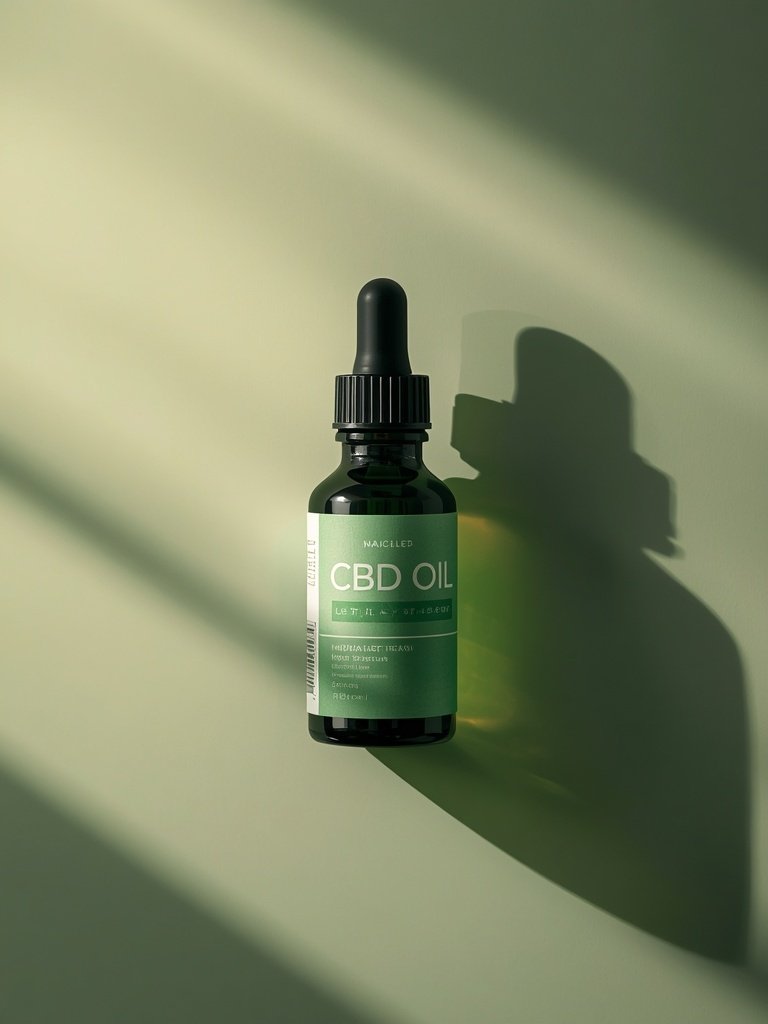
Table of Contents 7
Medical & Editorial Disclaimer (§3 Terms): This article is for informational and educational purposes only, does not constitute medical advice, diagnosis, or treatment, and is used at your own risk. Consult a qualified physician for medical conditions.
At the biochemical level, premium hemp preparations feature a sophisticated matrix of phytocannabinoids, aromatic terpenes, and essential fatty acids that synergize to produce the clinical entourage effect. Cannabidiol interacts harmoniously with the innate receptor network of mammalian organisms without inducing intoxicating or psychoactive side effects. Scientific research highlights the antioxidant properties of these compounds, noting their potential role in mitigating oxidative stress and supporting cellular integrity within the body.
For practical daily implementation, consumers are advised to apply hemp extracts carefully, typically by placing droplets beneath the tongue or incorporating them into unheated meals and beverages to preserve their delicate botanical properties. Selecting certified industrial hemp products guarantees adherence to strict safety standards, ensuring that individuals can integrate these wellness supplements responsibly and with full confidence in their quality.
The utilization of cannabis-based preparations in therapeutic contexts continues to provoke vigorous debate among both medical professionals and the general public. Following the legislative amendments enacted in 2017, cannabinoid-containing products classified as prescription medications have been authorized in Poland, though their dispensation remains confined to a narrowly delineated set of clinical indications. Despite this regulatory framework, the practical availability of these formulations within the pharmacy network—based on the most recent data available (as of the composition of this analysis)—remains severely constrained, thereby effectively precluding their widespread adoption by patients.
Cannabidiol? What is it?
Cannabinoids are the active substances in hemp. They interact with the cannabinoid receptors present in mammalian organisms. The cannabinoids with high pharmacological potential are cannabidiol (CBD) and tetrahydrocannabidiol (THC).
Marijuana contains both THC and CBD. THC is stronger in action and causes hallucinations.
Biochemical composition of CBD oil: phytocannabinoids, terpenes, and fatty acids
Premium CBD oil preparations—especially full-spectrum extracts—feature a complex biochemical matrix of therapeutic phytochemicals. Beyond cannabidiol (CBD), the extract preserves minor cannabinoids including CBDA, cannabigerol (CBG), cannabichromene (CBC), and cannabinol (CBN), which synergize to produce the clinical entourage effect.
Aromatic terpenes and terpenoids (notably myrcene, beta-caryophyllene, limonene, and alpha-pinene) contribute therapeutic fragrances and modulate blood-brain barrier permeability. The carrier lipid base—typically cold-pressed virgin hemp seed oil or medium-chain triglyceride (MCT) oil—supplies essential omega-6 and omega-3 fatty acids in the optimal 3:1 physiological ratio, alongside fat-soluble antioxidants including vitamin E and zinc.
The properties
CBD primarily has pain-relieving and relaxing effects, but it also works: antibacterial anti-inflammatory and reduces neurodegenerative disorders. Antipsychotic, anti-depressant and anti-cancer in the treatment of addictions. In 2013, the U.S.
Food and Drug Administration (FDA) and the European Medecins Agency (EMA) in Europe approved the start of studies on cannabinoids to treat epilepsy in children.
The mechanism of action
Studies on the effects of cannabidiol on the human body are most often considered in the context of inhibiting the development of cancers, but according to current knowledge the mechanism of action of CBD has not yet been fully understood. Currently, the most commonly proposed scheme of action for CBD in vitro is to limit the production of reactive forms of oxygen whose excess in the body contributes to cell death (apoptosis). Numerous scientific studies have shown similar mechanisms of action in relation to different lines of cancer cells, e.g. polycystic kidney, breast cells, prostate gland, or leukemia.
How to use hemp oil
The easiest way is to take the oil orally, with a few drops under the tongue several times a day. Add it to food or drinks, it's important to avoid frying or cooking that deprives it of its medicinal properties. Inhalation Liquid CBD oils are becoming popular for use in e-cigarettes.
Vaporization is a very effective way of applying CBD to the lungs and bloodstream.
Legal status and regulatory framework of CBD in Poland and the EU
In Poland and across the European Union, the possession, commercial sale, and consumption of cannabidiol (CBD) products are completely legal, provided they are extracted from certified industrial hemp (Cannabis sativa L.) and total psychoactive delta-9-THC does not exceed the statutory threshold of 0.3% dry weight.
Pure CBD preparations do not exhibit intoxicating or addictive properties, as formally confirmed by the World Health Organization (WHO). When purchasing CBD oils, consumers should verify third-party accredited laboratory certificates of analysis (COA) confirming cannabinoid potency and certifying absence of heavy metals or pesticide residues.
Price, where to buy
The price of 10 milliliters of cannabis oil is high, the good ones cost a lot more than $100. The interest in cannabidiol is growing, but there is also scientific research that allows us to verify reliably whether the substances contained in cannabis have more benefits or harm to human health.
Want to apply these guidelines in your daily diet?
Our smart diet generator creates a tailored meal plan in 3 minutes based on the recommendations in this article.

Isabella Taylor
• 25.11.2026Diets Premium Expert
Diets Premium team expert. Specializes in nutrition plans, strength sports, and training plans.