Another valuable property of coconut oil – an effective agent against Candida albicans: lauric acid, mechanisms, and dietary protocol
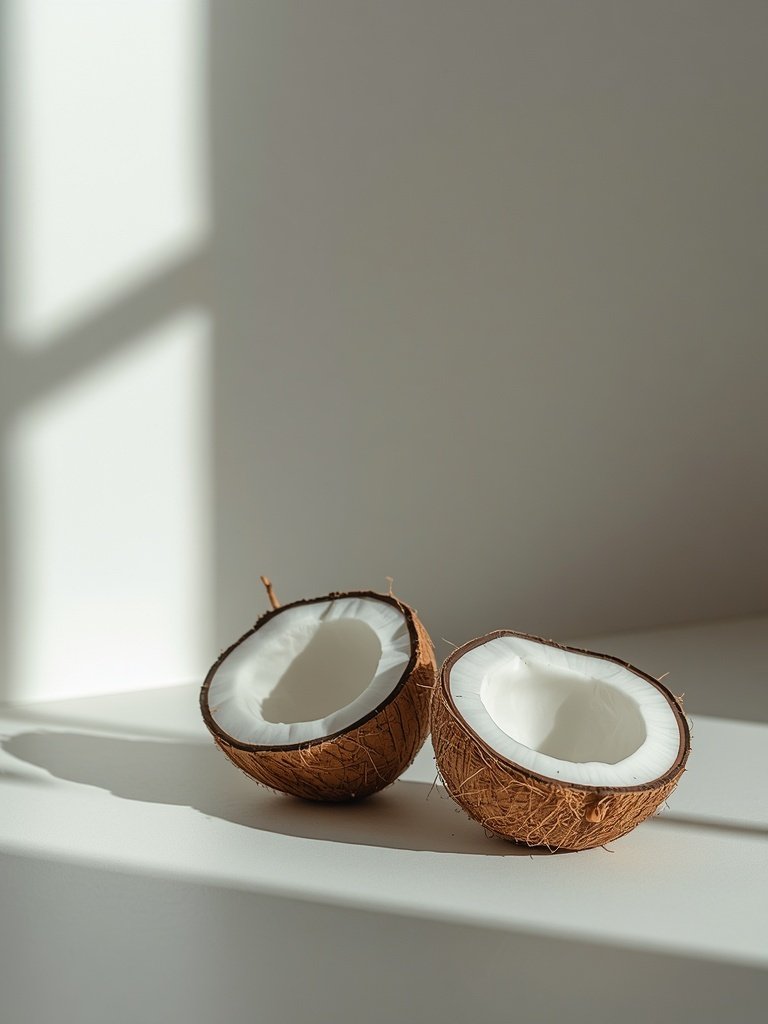
Table of Contents 5
Medical & Editorial Disclaimer (§3 Terms): This article is for informational and educational purposes only, does not constitute medical advice, diagnosis, or treatment, and is used at your own risk. Consult a qualified physician for medical conditions.
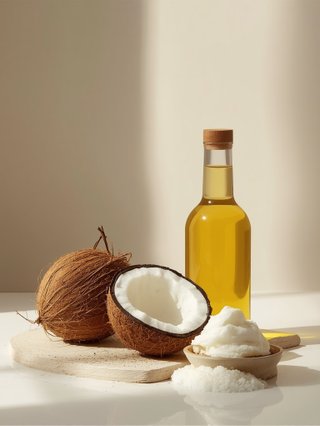
The primary antifungal activity of coconut oil stems from its characteristic medium-chain fatty acids, notably lauric acid and caprylic acid. Upon digestion, lauric acid converts into monolaurin, which acts in tandem with free caprylic acid to directly disrupt the fluid phospholipid bilayer of fungal cell membranes. This physical destabilization creates micro-pores and helps dissolve protective fungal biofilms. Because this mode of action relies on structural membrane disruption rather than specific biochemical pathways targeted by synthetic antifungal medications, it minimizes the potential for microbial resistance. However, achieving lasting gut balance requires pairing coconut lipid intake with a strict reduction in simple sugars and refined carbohydrates to starve the yeast population.
In practical application, virgin coconut oil should be introduced incrementally into the daily diet to prevent transient cleansing reactions caused by the rapid die-off of cellular debris. It serves as a versatile culinary ingredient suitable for light frying or as a wholesome spread. Combining coconut lipids with non-starchy vegetables, dietary fiber, and traditional fermented foods helps foster a resilient microflora. Used as a supportive lifestyle strategy, this nutritional framework promotes overall digestive wellness without substituting for formal medical diagnosis or therapy.
Pathophysiology of Dysbiosis and *Candida albicans* Overgrowth in the Digestive Tract
*Candida albicans* exists as an indigenous commensal yeast inhabiting the mucosal lining of the human gastrointestinal tract. Under physiological equilibrium, its opportunistic proliferation is rigorously kept in check by commensal lactic acid bacteria (*Lactobacillus*, *Bifidobacterium*) and the gut-associated lymphoid tissue (GALT). However, disruptive triggers such as broad-spectrum antibiotic regimens, chronic psychological stress, diets rich in refined carbohydrates and simple sugars, and immunosuppressive pharmacotherapies dismantle this delicate ecological barrier. In response, *Candida albicans* switches from a benign blastospore form to an invasive hyphal morphotype, penetrating the intestinal epithelium and producing immunotoxic metabolites (notably acetaldehyde), resulting in chronic fatigue, severe abdominal distension, cognitive 'brain fog', and secondary food hypersensitivities.
Fatty Acid Architecture: Lauric and Caprylic Acids as Natural Fungicidal Agents
Unrefined virgin coconut oil is uniquely distinguished by its concentration of saturated medium-chain fatty acids (MCFAs), comprising roughly 50% lauric acid (C12:0) alongside 7–9% caprylic acid (C8:0) and capric acid (C10:0). Within the human gastrointestinal lumen, digestive lipases convert dietary lauric acid into its bioavailable monoglyceride derivative: monolaurin. Both monolaurin and free caprylic acid demonstrate potent, direct fungicidal activity. Caprylic acid has long been utilized in integrative clinical protocols for candidiasis, and its natural botanical synergy with lauric acid within the native coconut matrix yields a powerful, multi-target antifungal barrier.
Molecular Mechanism of Cell Membrane Disruption and Biofilm Dissolution
The antifungal mode of action exerted by coconut-derived medium-chain fatty acids fundamentally diverges from conventional synthetic azole pharmaceuticals (e. g., fluconazole), substantially eliminating the risk of microbial resistance acquisition. Caprylic acid and monolaurin directly intercalate into the fluid phospholipid bilayer of the *Candida albicans* plasma membrane, disrupting spatial membrane curvature and membrane fluidity. This destabilization induces micro-pores, precipitating the leakage of intracellular electrolytes (potassium, magnesium) and ultimately driving osmotic lysis of the fungal cell. Crucially, these lipid fractions impede biofilm morphogenesis—the extracellular polymeric matrix that routinely shields resistant fungal colonies from pharmaceutical clearance.
The Anti-Candida Dietary Framework: Integrating Coconut Lipids with Carbohydrate Restriction
Isolated supplementation with coconut oil cannot achieve sustained clinical resolution without comprehensive, parallel dietary realignment. The non-negotiable imperative in any anti-Candida nutritional protocol is starving the fungal population of fermentable simple sugars. The diet strictly eliminates sucrose, refined confectionery, sweet beverages, high-glycemic white flours, commercial baker's yeast, and alcohol. Conversely, meals are built around non-starchy cruciferous vegetables, lacto-fermented foods (providing lactic acid that directly suppresses fungal growth), crushed garlic (replete with allicin), and oil of oregano. In this paradigm, virgin coconut oil provides clean, ketogenic cellular energy without eliciting glycemic or insulinemic surges.
Practical Dosing Protocols, the Herxheimer (Die-Off) Reaction, and Clinical Safety
Therapeutic introduction of virgin coconut oil must proceed progressively. It is clinically advisable to initiate with 1 teaspoon (roughly 5 g) daily, escalating titration over two weeks toward the target therapeutic intake of 2 to 3 tablespoons (30–45 g) daily, distributed across meals. Abrupt high-dose initiation risks triggering a Jarisch-Herxheimer reaction (fungal 'die-off')—a transient systemic syndrome characterized by lethargy, frontal headaches, flu-like aches, and mild nausea caused by the rapid, massive lysis of yeast cells and subsequent release of intracellular endotoxins. To buffer this effect, patients should maintain generous hydration, optimize liver function with milk thistle silymarin, and utilize gentle intestinal binders such as psyllium husk.
Want to apply these guidelines in your daily diet?
Our smart diet generator creates a tailored meal plan in 3 minutes based on the recommendations in this article.

Lena Bauer
• 25.11.2026Diets Premium Expert
Diets Premium team expert. Specializes in nutrition plans, strength sports, and training plans.