Coconut oil and lipid profile: An analysis of the impact on cholesterol levels and cardiovascular health
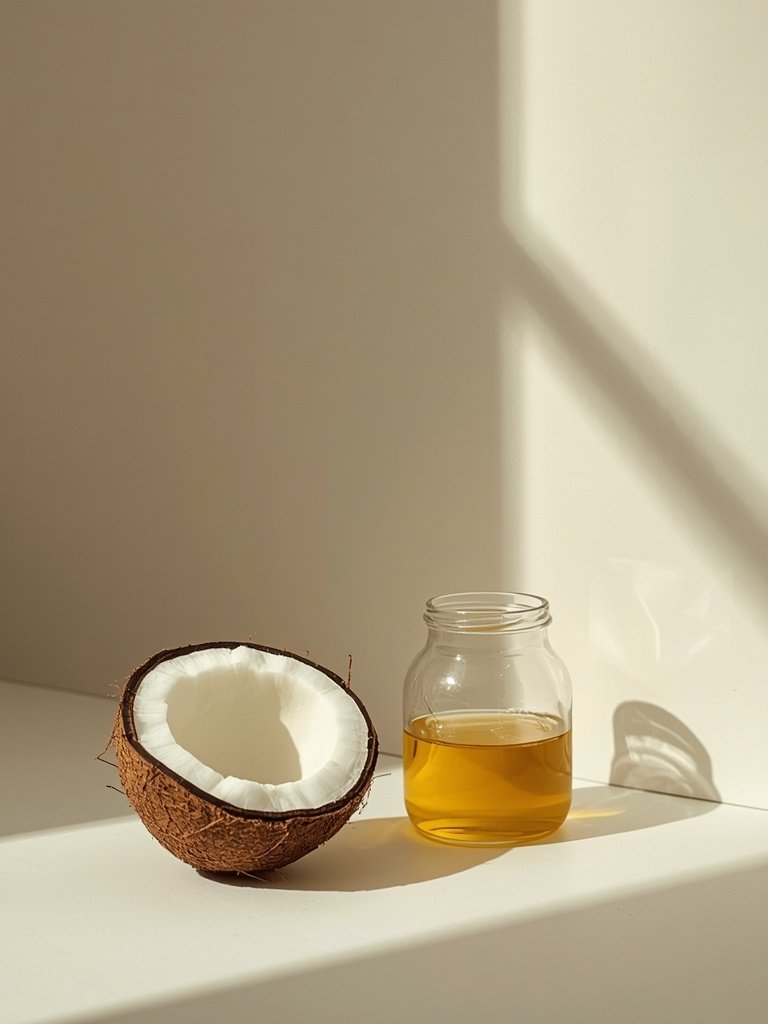
Table of Contents 4
Medical & Editorial Disclaimer (§3 Terms): This article is for informational and educational purposes only, does not constitute medical advice, diagnosis, or treatment, and is used at your own risk. Consult a qualified physician for medical conditions.
The physiological impact of coconut oil is driven by its high concentration of saturated fats, specifically lauric, myristic, and palmitic acids, which are known to elevate total cholesterol and low-density lipoprotein particles. Although it also raises high-density lipoprotein cholesterol, contemporary cardiology clarifies that this increase does not counteract the atherogenic risks associated with elevated LDL and apolipoprotein B. Even virgin varieties containing lipophilic polyphenols and phytosterols do not alter the fundamental way these saturated fats influence the lipid profile in the human body.
Practical dietary guidance suggests treating coconut oil with the same moderation as animal-based fats like butter or lard. While it can be used occasionally to provide culinary variety in specific cuisines, routine daily consumption may pose risks to cardiovascular function and endothelial integrity. For those seeking to support heart health, the focus should remain on a balanced intake of unsaturated plant oils, which contribute to a more favorable lipid profile and overall systemic well-being.
Over the past several years, coconut oil has experienced a notable surge in popularity, becoming a focal point of discussion within nutritional science and healthy lifestyle communities. This natural fat, once sidelined due to its high saturated fat content, is now undergoing a revival—yet its physiological effects remain a subject of debate among researchers and healthcare professionals. Can it truly be considered a health-promoting dietary component, or does its consumption pose potential risks to cardiovascular function?
Coconut oil
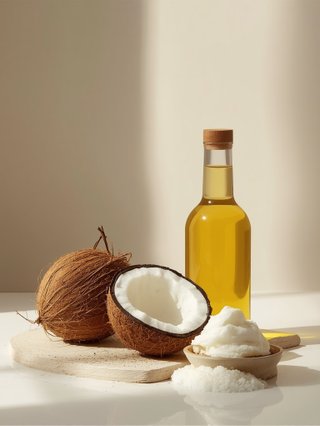
Coconut oil is derived from the fresh meat or dried endosperm (copra) of the coconut palm (Cocos nucifera). Depending on the manufacturing technique, commercially available products are categorized into virgin coconut oil, cold-pressed unrefined oil, and refined coconut oil. Virgin and unrefined preparations retain an array of minor bioactive constituents alongside their core fatty acids, including lipophilic polyphenols, phytosterols, and natural tocopherols.
Virgin coconut oil is obtained through gentle mechanical extraction directly from fresh coconut milk without chemical solvents, whereas standard unrefined oil is cold-pressed from pre-dried copra. In contrast, refined coconut oil undergoes industrial neutralization, bleaching, and high-temperature deodorization. While refined oil preserves the saturated fatty acid backbone, it is stripped of natural antioxidant polyphenols, subtle aromatics, and volatile micronutrients.
Substantial marketing claims promote coconut oil as a functional superfood for weight loss and anti-inflammatory support, frequently citing rodent trials or research involving purified medium-chain triglyceride (MCT) formulations. However, rigorous human clinical evaluations and dietary guidelines from the AHA and EFSA emphasize that coconut oil is an exceptionally concentrated source of saturated fatty acids (82–86 g per 100 g), dominated by lauric (approx. 50%), myristic (18%), and palmitic (9%) acids, which substantially elevate atherogenic serum lipids.
Is coconut oil healthy?
In public surveys referenced in the American Heart Association (AHA) Presidential Advisory, 72% of the general public perceived coconut oil as a heart-healthy dietary choice, compared to only 37% of certified nutritionists and cardiologists. This stark disparity illustrates how intensive dietary marketing has overshadowed established cardiovascular prevention guidelines.
Contrary to popular lifestyle narratives, coconut oil possesses no validated clinical cardioprotective benefits upon ingestion. While it serves as an outstanding topical emollient for dermatological hydration and hair shaft conditioning, dietary consumption reliably triggers marked elevations in circulating LDL-cholesterol and apolipoprotein B, accelerating atherogenic risk factors.
Coconut oil and cholesterol
The saturated fatty acids that predominate in coconut oil—lauric, myristic, and palmitic acids—exert powerful elevating effects on total cholesterol and low-density lipoprotein (LDL) particles. Proponents often highlight that coconut oil simultaneously elevates high-density lipoprotein (HDL) cholesterol. However, contemporary cardiovascular medicine confirms that HDL elevation fails to mitigate or offset the pro-atherogenic burden of concurrently elevated LDL-C and apolipoprotein B (ApoB).
A widespread misconception equates whole coconut oil with pharmaceutical-grade medium-chain triglyceride (MCT) oil. Although lauric acid contains 12 carbon atoms and is chemically categorized as a medium-chain fatty acid, biologically it behaves predominantly (70–80%) like a long-chain fatty acid (LCT). It undergoes micellar digestion requiring bile salts and pancreatic lipases, is packaged into lymphatic chylomicrons, and downregulates hepatic LDL receptor density, impairing plasma clearance.
Meta-analyses of randomized controlled clinical trials (RCTs) confirm that coconut oil intake significantly raises circulating LDL-C compared to unsaturated vegetable oils, including extra virgin olive, canola, and sunflower oils. Consequently, guidelines from the AHA, ESC, and WHO advise strictly limiting coconut oil consumption in favor of polyunsaturated and monounsaturated dietary fats.
How to use coconut oil?
Synthesizing current clinical evidence, culinary coconut oil must be approached with the same nutritional moderation as butter or animal lard. While the occasional inclusion of a small amount of virgin coconut oil in authentic Southeast Asian cuisine provides culinary diversity without imminent harm in healthy individuals, routine daily consumption or habits like 'bulletproof coffee' pose significant risks of hypercholesterolemia and vascular endothelial injury.
A cardioprotective daily diet should prioritize fats rich in monounsaturated and polyunsaturated fatty acids: extra virgin olive oil, virgin rapeseed oil, flaxseed oil, avocados, and whole nuts. Meanwhile, coconut oil demonstrates its finest utility in external personal care—serving as an exceptional emollient for parched skin, an effective massage base, and a deeply conditioning pre-wash hair treatment.
Want to apply these guidelines in your daily diet?
Our smart diet generator creates a tailored meal plan in 3 minutes based on the recommendations in this article.
Tags

Laura Schneider
• 25.11.2026Diets Premium Expert
Diets Premium team expert. Specializes in nutrition plans, strength sports, and training plans.