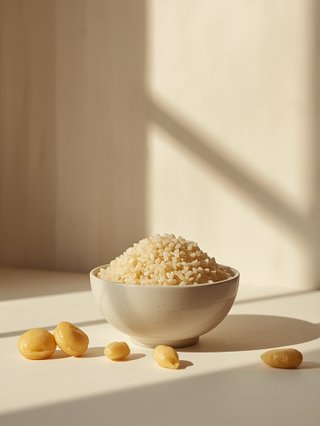
Coconut flour – nutritional properties, low glycemic index, and use in keto and gluten-free cooking
Table of Contents 4
Medical & Editorial Disclaimer (§3 Terms): This article is for informational and educational purposes only, does not constitute medical advice, diagnosis, or treatment, and is used at your own risk. Consult a qualified physician for medical conditions.
The article delves into how coconut flour, with its low glycemic index, contributes to stable postprandial blood glucose levels by blunting carbohydrate absorption and promoting a sustained sense of fullness. Its dense fiber viscosity decelerates gastric emptying and the breakdown of starches, which is beneficial for glycemic control. Furthermore, the high insoluble fiber content stimulates bowel motility, binds toxins, and helps alleviate constipation, while plant proteins support tissue maintenance.
For practical culinary application, baking with coconut flour demands distinct techniques due to its unparalleled hydration capacity; it absorbs significantly more liquid than cereal flours, necessitating adjusted liquid ratios and often the inclusion of extra eggs or binders. It can also be economically crafted at home from desiccated coconut flakes, providing a fresh and cost-effective way to incorporate this nutrient-dense flour into a variety of baked goods and dishes.
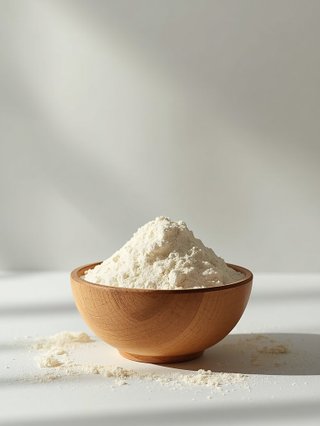
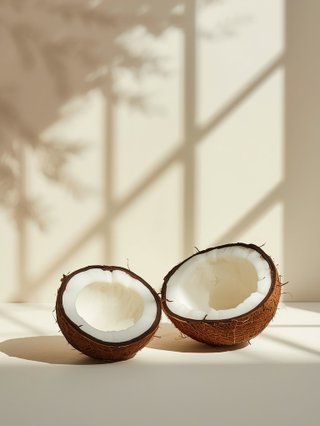
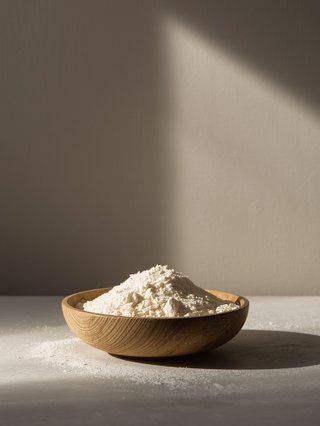
Coconut flour is a unique gluten-free flour alternative produced from defatted, dried, and finely milled coconut meat. It boasts an extraordinary dietary fiber concentration (38–40 g per 100 g), substantial plant protein, and minimal net carbohydrates alongside a low glycemic index (GI = 35). These nutritional credentials render coconut flour an invaluable dietary staple for celiac patients, individuals with diabetes, insulin resistance, and adherents of ketogenic and low-carb regimens.
Nutritional Value, Exceptionally High Fiber Content, and Lipid Profile
A 100 g serving of coconut flour provides roughly 350–400 kcal with a distinct macronutrient architecture:
- Dietary fiber (~39 g) – exceeding whole wheat flour fourfold; dominated by insoluble cellulose and hemicellulose that stimulate bowel motility, bind toxins, and alleviate constipation.
- Plant protein (18–20 g) – yields essential amino acids supporting tissue maintenance and satiety signaling.
- Metabolic lipids (8–12 g) – residual medium-chain triglycerides (MCTs), notably lauric acid, imparting antiviral and antimicrobial protection.
- Essential minerals – abundant in potassium, non-heme iron, selenium, and manganese.
Low Glycemic Index and Metabolic Benefits for Diabetics
Coconut flour is an exemplary carbohydrate alternative for glycemic stabilization:
- Low glycemic index (GI = 35) – unlike refined wheat flour (GI = 70–85), coconut flour baked goods elicit gentle, sustained postprandial glucose curves without insulin surges.
- Blunted carbohydrate absorption – dense fiber viscosity decelerates gastric emptying and intestinal amylase breakdown of concomitant starches.
- Enhanced satiety response – expansive hydrophilic fiber promotes visceral fullness, aiding caloric deficit adherence in weight management.
Culinary Applications in Baking and Extreme Fluid Absorption
Baking with coconut flour demands distinct culinary techniques due to its unparalleled hydration capacity:
- Extreme hygroscopic absorption – coconut flour absorbs 3 to 4 times more liquid than cereal flours. Never substitute on a 1:1 volumetric basis; standard recipes require only 1/4 to 1/3 of the original flour volume.
- High egg and binder requirement – devoid of gluten, successful binding necessitates extra whole eggs (frequently 4–6 eggs per cup of flour) or hydrocolloids like psyllium husk to prevent crumb fragility.
- Versatile culinary uses – ideal for keto pancakes, grain-free muffins, crumbles, low-carb breadings for poultry, and as a natural soup thickener.
How to Prepare Homemade Coconut Flour from Desiccated Flakes
Coconut flour can be crafted economically at home as a synergistic byproduct of plant milk preparation:
- Blending the emulsion – combine 200 g unsweetened coconut flakes with 1 liter of hot water and blend on high speed for 3–5 minutes.
- Separation – pour through a fine nut milk bag or cheesecloth, pressing forcefully. The extracted liquid is fresh coconut milk, while the retained pulp serves as the flour precursor.
- Dehydration – spread the defatted pulp thinly across a parchment-lined baking sheet and dehydrate in an oven at 70–80°C (160°F) for 3–4 hours until moisture is entirely eliminated.
- Milling – pulverize the dried coconut shreds in a high-speed grinder into a velvety fine flour and store in an airtight glass jar.
Want to apply these guidelines in your daily diet?
Our smart diet generator creates a tailored meal plan in 3 minutes based on the recommendations in this article.

Kacper Nowak
• 25.11.2026Diets Premium Expert
Diets Premium team expert. Specializes in nutrition plans, strength sports, and training plans.