Grape seed oil – characteristics, culinary and cosmetic uses, and skin care
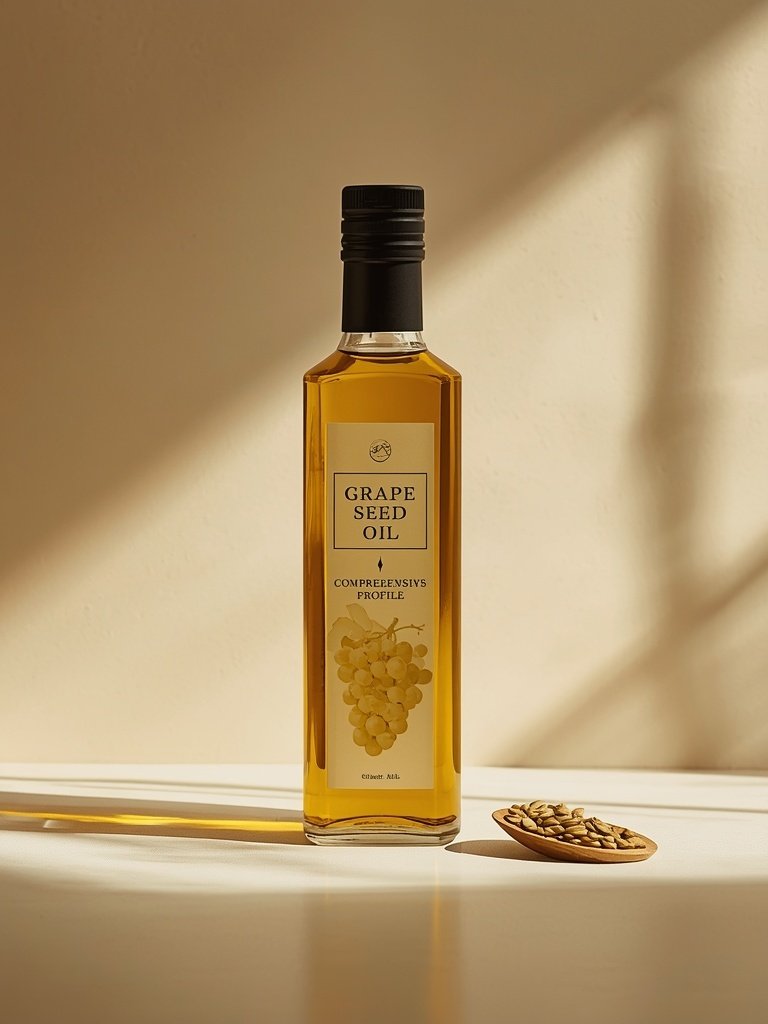
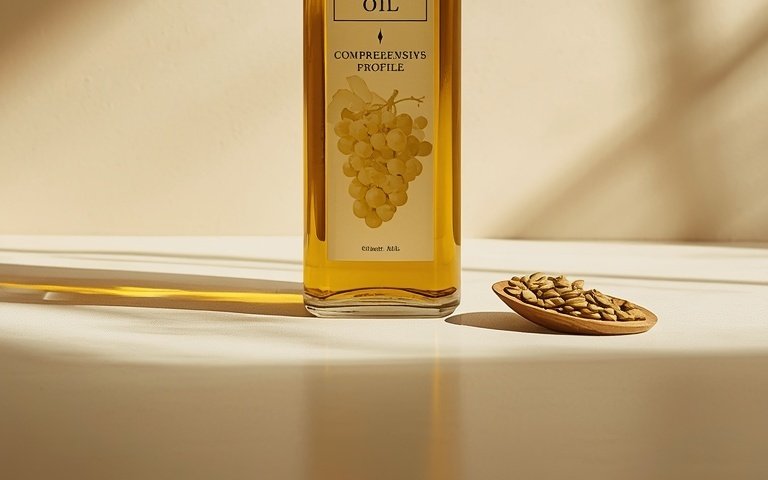
Table of Contents 5
Medical & Editorial Disclaimer (§3 Terms): This article is for informational and educational purposes only, does not constitute medical advice, diagnosis, or treatment, and is used at your own risk. Consult a qualified physician for medical conditions.
The oil boasts a rich concentration of polyunsaturated linoleic acid, complemented by vitamin E and protective polyphenols that deliver robust antioxidant action. These bioactive constituents work synergistically to support skin barrier integrity by preventing moisture loss, while maintaining a feather-light texture that prevents clogged pores. In culinary contexts, its delicate profile makes it an exquisite addition to raw dishes and dressings.
To incorporate this botanical treasure into daily life, utilize cold-pressed virgin selections primarily in cold preparations such as vinaigrettes and delicate marinades to protect its sensitive bonds from heat degradation. For facial care, apply sparingly to support radiant, balanced skin. Always store the product in dark, UV-protective glass within a cool environment to preserve its pristine quality and freshness.
Grape seed oil (Vitis vinifera) represents a valuable upcycled derivative of winemaking, celebrated across gastronomy and cosmetology. Noted for its high concentration of linoleic acid (omega-6), vitamin E, and oligomeric proanthocyanidins (including resveratrol), this feather-light oil absorbs effortlessly into the skin and serves as a delicate dressing oil when consumed cold.
Origin and extraction of grape seed oil
Grapevines have been cultivated for millennia, and the pomace remaining after wine pressing yields nutrient-rich seeds harboring 8–20% oil content. Premier production centers are established across Mediterranean wine regions.
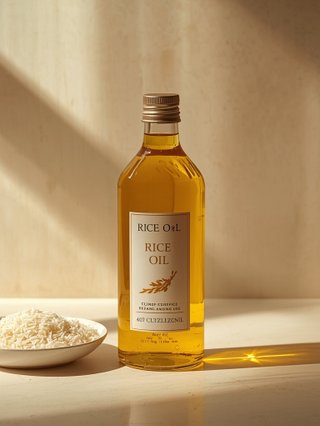
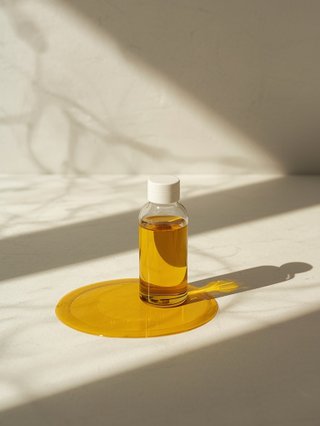
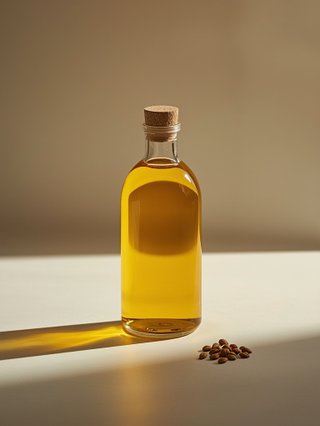
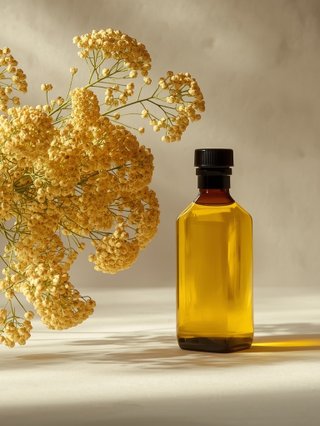
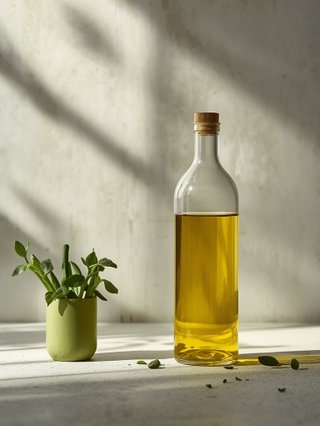
Cold-pressed virgin grape seed oil exhibits a delicate pale-green shade and a neutral, pristine aroma that never overpowers fine culinary dishes.
Lipid composition, vitamin E, and polyphenols
Grape seed oil delivers approximately 65–72% polyunsaturated linoleic acid (omega-6) and 15–20% oleic acid (omega-9), alongside vitamin E and phytosterols.
Constituent oligomeric proanthocyanidins (OPCs) and resveratrol provide powerful antioxidant protection. Due to its dominant omega-6 profile, balance should be maintained by pairing it with dietary omega-3 sources.
Culinary use and frying considerations
Because polyunsaturated linoleic acid is susceptible to thermal polymerization and oxidation, virgin unrefined grape seed oil should not be subjected to prolonged high-heat deep frying.
It performs best in cold culinary applications: vinaigrettes, light salad dressings, homemade mayonnaise, and delicate marinades.
Facial skincare and anti-aging benefits
Grape seed oil ranks among the lightest cosmetic oils—featuring a low comedogenic rating that prevents clogged pores. It is exceptionally well-suited for combination, oily, and couperose skin.
Its linoleic acid fortifies the intercellular lipid matrix, curbing transepidermal water loss (TEWL) and leaving the skin smooth and radiant.
Storage and purchasing recommendations
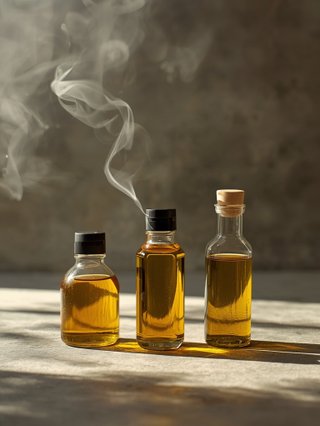
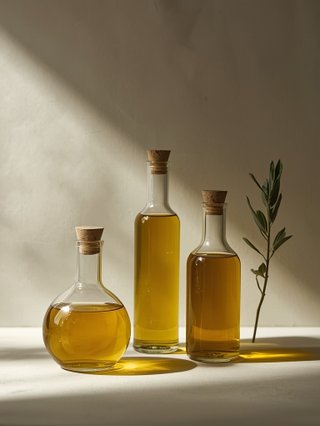
To safeguard grape seed oil from oxidative rancidity and preserve its delicate linoleic acid bonds, always purchase products packaged in dark UV-protective glass and store them in a cool, shaded pantry or refrigerator (ideally below 15°C / 59°F).
Prioritize cold-pressed virgin oils sourced from certified organic viticulture that have not undergone chemical solvent extraction. Once unsealed, keep the cap tightly fastened and consume the oil within 2 to 3 months, ensuring its fresh, subtly nutty and fruity aroma remains intact.
Want to apply these guidelines in your daily diet?
Our smart diet generator creates a tailored meal plan in 3 minutes based on the recommendations in this article.
Tags

mgr Max Müller
• 25.11.2026Diets Premium Expert
Diets Premium team expert. Specializes in nutrition plans, strength sports, and training plans.