Fat-free preparation vs... healthy cooking with oils
Table of Contents 3
Medical & Editorial Disclaimer (§3 Terms): This article is for informational and educational purposes only, does not constitute medical advice, diagnosis, or treatment, and is used at your own risk. Consult a qualified physician for medical conditions.
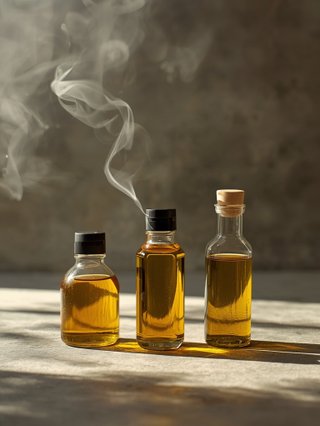
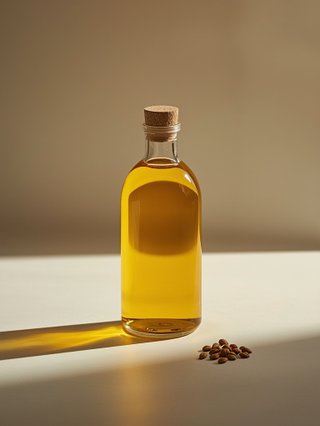
A closer examination of thermal cooking processes reveals that omitting oil entirely from a hot pan often leads to the charring of food, which promotes the release of potentially harmful compounds. At the same time, the thermal stability of any plant-based fat depends directly on its chemical composition: oils dominated by unsaturated fatty acids, such as rapeseed oil and flaxseed oil, readily undergo oxidation when exposed to high heat. Even cold-pressed extra virgin olive oil, which is rich in monounsaturated fatty acids, only tolerates brief and gentle heating, whereas prolonged high-heat frying of dishes like cutlets or omelets risks surpassing its smoke point and degrading its nutritional profile.
For everyday kitchen practice, it is advisable to use at least a modest amount of heat-stable fat rich in saturated fatty acids whenever frying in a pan, ensuring even heat transfer without burning the ingredients. Delicate plant oils dominated by unsaturated fatty acids, including flaxseed oil, rapeseed oil, and extra virgin olive oil, are best reserved for raw applications such as salad dressings or drizzling over finished dishes. Adopting this balanced approach helps preserve valuable vitamins and beneficial fatty acids while minimizing exposure to oxidized cooking byproducts.
The Myth and Reality of Oil-Free Frying: A Comprehensive Analysis
The science of safe frying: Why most Poles choose the wrong oil and how to correct it
Does frying with olive oil confer health benefits or pose potential risks instead?
Want to apply these guidelines in your daily diet?
Our smart diet generator creates a tailored meal plan in 3 minutes based on the recommendations in this article.

w ciemnej butelce i pilnować terminu przydatności do spożycia. W mojej opinii, najlepsze, co możemy zrobić podczas zakupu odpowiedniego oleju, to przeanalizować skład etykiety oraz zawartość kwasów jedno oraz wielonienasyconych. Jeśli przeważają one nad kwasami tłuszczowymi nasyconymi, olej ten nie nadaje się do spożycia. Zwykle na etykiecie znajduje się informacja czy możemy wykorzystać ten produkt do smażenia czy nie. Podsumowując, smażenie nie musi być niezdrowym procesem. Wystarczy, że zapamiętamy, iż olei z zawartością kwasów nienasyconych lepiej unikać w tym procesie, lepszym wyborem będzie olej słonecznikowy. Oliwa z oliwek Extra Virgin jest wyjątkiem wśród olei krótkotrwałych, jednak należy jej używać tylko do krótkiego obsmażania np. podczas robienia jajecznicy czy szybkiego przypiekania kurczaka. Tłuszcze są bardzo zdrowe i nie należy ich unikać, warto jednak znać umiar i kontrolować ilość dodawaną do smażenia, a na pewno nie zaszkodzi to naszemu zdrowiu, wręcz przeciwnie, dostarczy cennych witamin i energii.
• 24.09.2026Diets Premium Expert
Diets Premium team expert. Specializes in nutrition plans, strength sports, and training plans.