1 / 1
1 zdjęcie
431
"Cukier waniliowy" i "cukier wanilinowy" – kluczowe różnice i wpływ na organizm
Desery
Ciastka
Wanilia
Lena Bauer
Autor
2026-09-24
Data
3 min. czytania
article.read_time
4
Rozdziały
Cukier waniliowy to składnik, który od pokoleń wzbogaca smak naszych ciast i słodkich potraw. Jednak w ostatnich latach na rynku pojawiły się również produkty o nazwie "cukier wanilinowy". W niniejszym artykule dowiesz się, który z nich jest bardziej korzystny dla zdrowia oraz jakie istotne różnice istnieją między nimi.
Cukier waniliowy
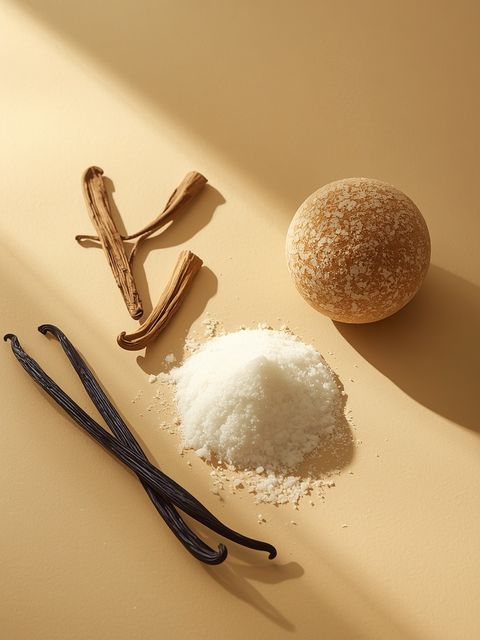
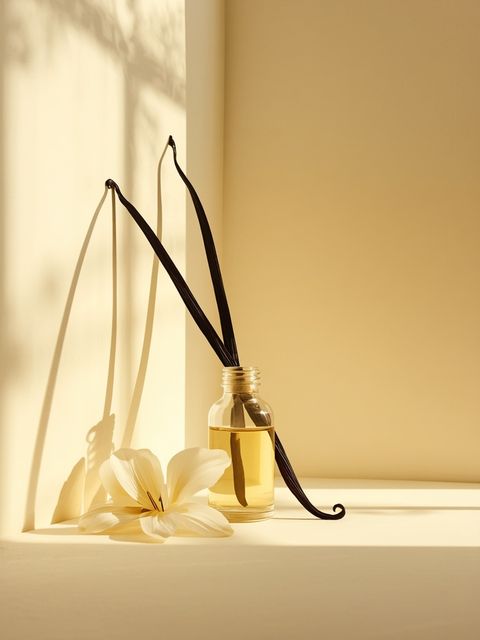
Wanilia płaskolistna (Vanilla planifolia) to roślina z rodziny storczykowatych (Orchidaceae) wywodząca się z tropikalnych lasów Ameryki Środkowej i Południowej.. Jej owocami są podłużne, wąskie i ciemne strączki nazywane laskami wanilii.. Dziś głównym producentem tej przyprawy jest Madagaskar.. Ze względu na swój niepowtarzalny aromat i smak pochodzące stamtąd zbiory są uważane za najlepsze na świecie.. Na polskim rynku spożywczym laskę wanilii można spotkać najczęściej w całości lub zmieloną i dodaną do cukru waniliowego.. Naturalny cukier waniliowy zawiera co najmniej 27% wanilii i zazwyczaj można go kupić w sklepach ze zdrową żywnością.. Jego cena nie jest najniższa, gdyż wanilia obok szafranu i kardamonu, to najdroższa przyprawa na świecie.
Cukier wanilinowy
Podczas procesu fermentacji i suszenia wanilia wytwarza wanilinę, która nadaje jej charakterystyczny smak i aromat.. Niestety jej pozyskiwanie jest bardzo ograniczone, ponieważ stanowi ona jedynie około 1, 2 % laski wanilii.. W związku z tym na rynku można spotkać tańsze zamienniki waniliny produkowane, m.. In z eugenolu, ligniny i kwasów lingosulfonowych.. Należy do nich wanilina (4-hydroksy-3-metoksybenzaldehyd) i etylowanilina (3-etoksy-4-hydroksybenzaldehyd).. Ich cechy organoleptyczne są słabsze od prawdziwej waniliny, ale masowa produkcja jest za to bardzo opłacalna.. Cukier wanilinowy jest więc niczym innym jak syntetycznym zamiennikiem cukru waniliowego.
Czy to w ogóle cukier waniliowy a cukier wanilinowy – który lepiej wybrać?
Pozornie produkty te różnią się tylko jedną literką w nazwie, lecz w rzeczywistości ich skład odgrywa istotną rolę w oddziaływaniu na organizm.. Cukier waniliowy składa się z cukru i wanilii lub ekstraktu waniliowego, natomiast cukier wanilinowy z cukru i waniliny lub etylowaniliny.. Laski wanilii wykazują szereg korzystnych właściwości, m.. in. Wzmacniają mięsień sercowy, działają przeciwgorączkowo, poprawiają kondycję psychiczną, zmniejszają ochotę na słodycze.. Natomiast syntetycznie wytworzona wanilina może wywoływać podrażnienia żołądka, jelit i skóry.. Została wpisana do rejestru NIH niebezpiecznych związków chemicznych, a Europejskie Biuro Chemiczne oznaczyło ją symbolem R22 („szkodzi po połknięciu”).. Chyba nietrudno określić, którą przyprawę lepiej stosować w swojej kuchni.
Cukier waniliowy – jak zrobić
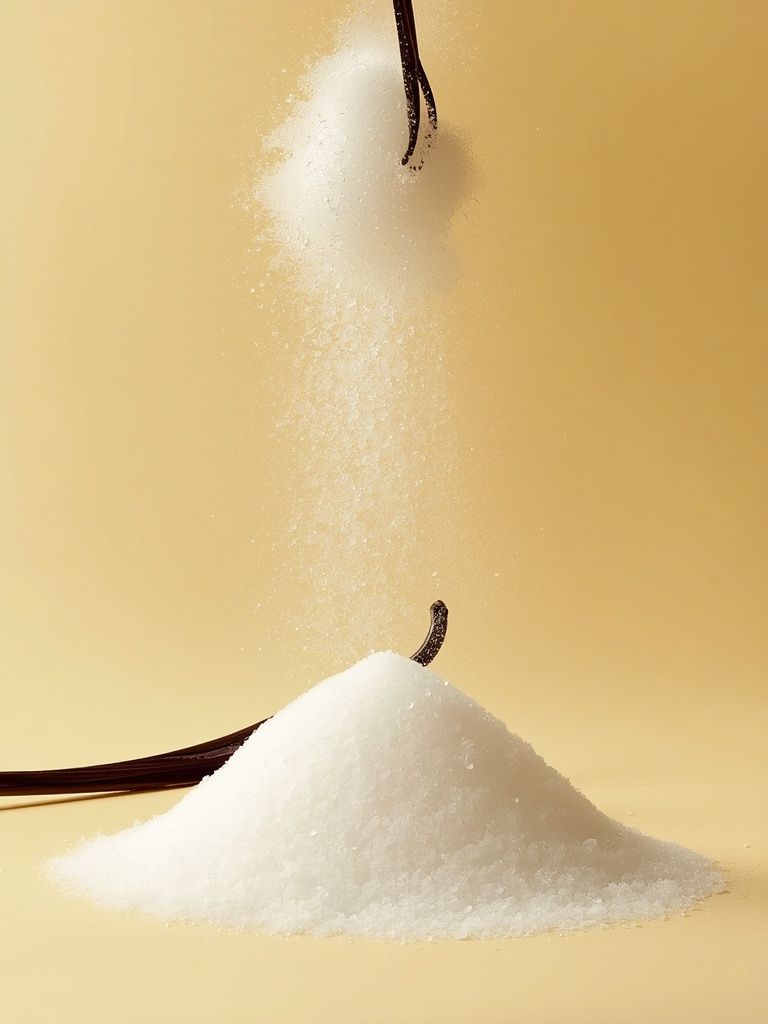
Cukier waniliowy dobrej jakości można przygotować samemu w warunkach domowych.. Wystarczą tylko 2 składniki, by cieszyć się niesamowitym smakiem i zapachem tej przyprawy i bez żadnych obaw dodawać ją do ciast, ciasteczek i innych deserów.. Przepis na cukier waniliowy
Składniki:
2 szklanki cukru 1 laska wanilii
Przygotowanie: laskę wanilii rozetnij wzdłuż, zeskrob nasionka i wymieszaj z cukrem.. Przesyp do szczelnego pojemnika, dodaj pustą laskę wanilii przeciętą na 2 lub 3 części, zamknij szczelnie i mocno wstrząśnij.. Po 1– 2 tygodniach cukier waniliowy jest gotowy do spożycia.. Podsumowując, cukier wanilinowy nie powstał niestety przez literówkę w nazwie cukru waniliowego.. Warto zdać sobie sprawę z tego, co kupujemy i dobrze czytać etykiety, by ustrzec się od negatywnych skutków sztucznie otrzymywanej waniliny.