Naturopathic Medicine and Herbalism • CLINICAL PROTOCOL

Herbal Infusions and Extracts

Personalized, evidence-based nutrition guidelines (EBM) dedicated to Herbal Infusions and Extracts. Balanced macronutrients, micronutrition, and elimination of pro-inflammatory factors.

Herbal Infusions and Extracts
HOW TO START

It's Easy to Start Today!

Eat Healthy

Precisely selected nutrients supporting metabolic balance and tissue regeneration.

Workout Hard

Physical activity safely tailored to your clinical conditions and baseline endurance.

Enjoy Your Life

Psychoemotional balance, restful sleep, and stress reduction as indispensable pillars of recovery.

SERVICES & PROTOCOLS
Personal Health Program

Personal Health Program

Dedicated medical nutrition therapy and dietary protocols for Herbal Infusions and Extracts.

Personal Fitness Trainer

Personal Fitness Trainer

Tailored workout plan and physical exercise supporting therapy.

Wellness Counseling

Wellness Counseling

Specialist support and continuous monitoring of health progress.

Diet Programs

Diet Programs

Precise calculation of BMR, TDEE, and micronutrient balance.

Refreshing Citrus Background
FREE RECOMMENDATIONS

Change Your Health in One Day!

Special Program for Sensitive Nutrition
POPULAR PROGRAMS & CLINICAL PROTOCOLS

Special Program for Sensitive Nutrition

Individually formulated nutrition protocols for individuals managing specific metabolic and allergic requirements in Herbal Infusions and Extracts.

Allergen exclusion, gut microbiota support, and optimization of carbohydrate-lipid metabolism.

8
Programs
161
Happy Customers
7
Awards
117
Success Stories

Other Groups in Category: Naturopathic Medicine and Herbalism

Articles and Guides in — Herbal Infusions and Extracts

Publications, recommendations, and clinical analysis in Herbal Infusions and Extracts

30 publications
Menopause – somatic and emotional symptoms. Dietary recommendations and herbal preparations supporting the menopausal period

Menopause – somatic and emotional symptoms. Dietary recommendations and herbal preparations supporting the menopausal period

Menopause, representing the final menstrual cycle in a woman’s lifespan, constitutes a pivotal biological transition in reproductive capacity. From an evolutionary standpoint, questions arise regarding potential benefits derived from the cessation of fertility, given that it precludes the transmission of one’s genetic material. The so-called "grandmother hypothesis"—a complement to the "maternal hypothesis"—posits that older women may enhance the survival prospects of their genes by actively investing in the care of grandchildren rather than risking late-term pregnancy, which carries an escalating threat of perinatal complications that endanger both maternal and fetal survival. This adaptive mechanism may have evolved as a long-term strategy to maximize reproductive success across generations.


Hormonal metamorphosis in women – early symptoms, home support strategies, plant therapies, and nutritional optimization – duration of endocrine imbalance

Hormonal metamorphosis in women – early symptoms, home support strategies, plant therapies, and nutritional optimization – duration of endocrine imbalance

While it may seem astonishing, as recently as a century ago, most women did not undergo the distinctive age-related hormonal transition observed today. With advances in medicine and improved living conditions, the average female lifespan now approaches 80 years, meaning the post-reproductive phase—commonly referred to as menopause or climacteric—comprises nearly one-third of a modern woman’s total lifespan. This phenomenon exerts profound effects on both physical and mental well-being, necessitating a comprehensive approach to symptom management and preventive care.

Menopause and adipose tissue: dietary, herbal, and exercise strategies to counteract adverse changes during menopause

Menopause and adipose tissue: dietary, herbal, and exercise strategies to counteract adverse changes during menopause

Comprehensive studies conducted by endocrinologists and nutrition specialists consistently demonstrate that the menopausal transition is associated with an elevated propensity for adipose tissue accumulation, particularly in the visceral region. The hormonal fluctuations inherent to this stage not only disrupt metabolic efficiency but also impair the body’s capacity for optimal calorie expenditure. Furthermore, mood volatility and psychological stress may precipitate compensatory overeating or reliance on energy-dense, nutrient-poor foods. Nevertheless, the deliberate adoption of a balanced dietary pattern—supplemented by botanical interventions and structured physical activity—can substantially mitigate the risk of weight gain while enhancing overall well-being during this challenging physiological transition.

Homemade plantain ointment – regenerative properties and anti-wrinkle action. Recipe for making a natural anti-aging cosmetic yourself

Homemade plantain ointment – regenerative properties and anti-wrinkle action. Recipe for making a natural anti-aging cosmetic yourself

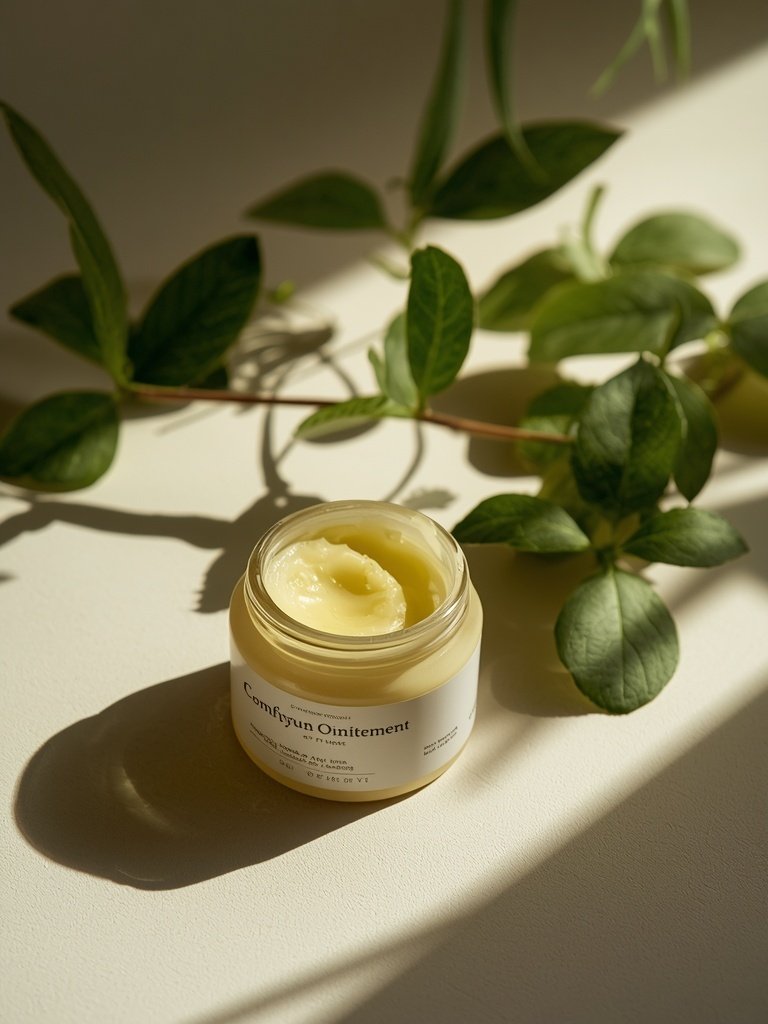
Herbal medicine leverages the bioactive compounds found in plants to support the body’s healing processes, both internally and externally. Among the most revered botanical remedies is comfrey (*Symphytum officinale*), whose roots and leaves are rich in allantoin—a compound renowned for accelerating tissue repair, soothing irritation, and smoothing the skin’s texture. Preparations derived from comfrey, including homemade ointments, are not only employed in wound care and anti-inflammatory treatments but also serve as a potent ingredient in anti-aging skincare, effectively diminishing the appearance of fine lines and promoting epidermal elasticity.

Wild thyme (Thymus serpyllum) – botanical characteristics, medicinal properties and use in phytotherapy

Wild thyme (Thymus serpyllum) – botanical characteristics, medicinal properties and use in phytotherapy

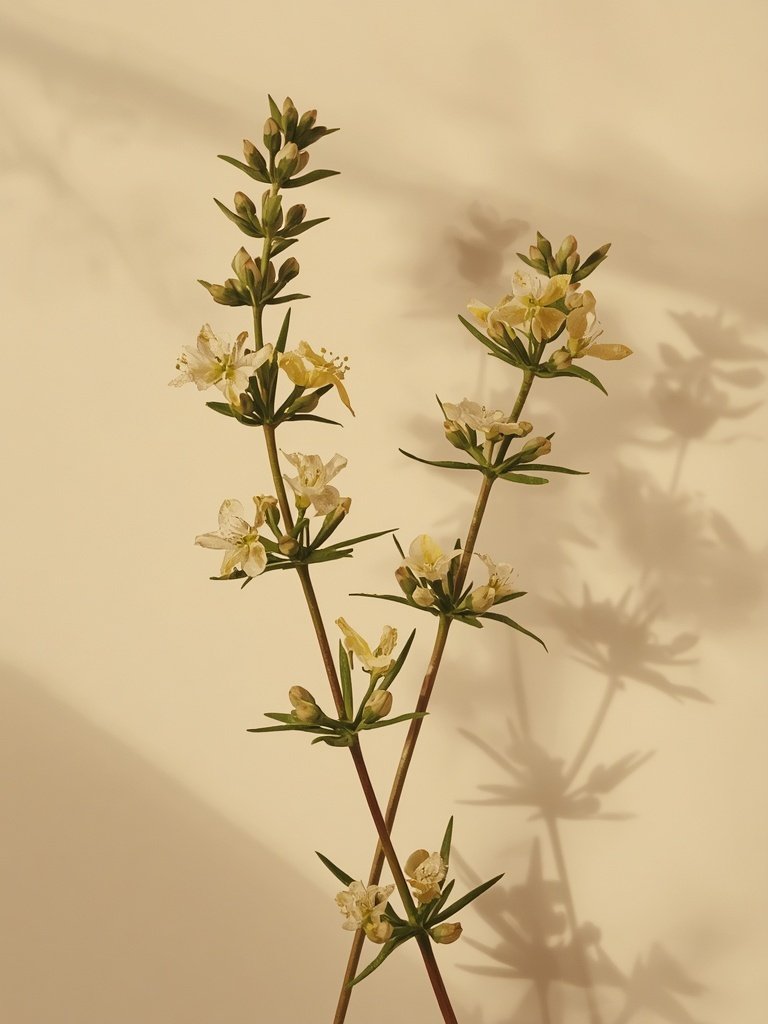
Wild Thyme (Thymus serpyllum), a member of the mint family (Lamiaceae), is a revered medicinal subshrub with deep roots in European phytotherapy. Abundant in an essential oil rich in thymol and carvacrol, as well as flavonoids, tannins, and triterpene acids, it exerts potent antibacterial, secretomotoric, antispasmodic, and anti-inflammatory actions. It is extensively utilized to soothe upper respiratory infections, optimize digestive function, and resolve mucosal inflammations.

Lungwort (Pulmonaria) – uses, seeds, and root. Homemade lungwort tincture and its health benefits

Lungwort (Pulmonaria) – uses, seeds, and root. Homemade lungwort tincture and its health benefits

Lovage (Levisticum officinale) is a perennial culinary and medicinal herb of the Apiaceae (parsley) family, famous for its savory, celery-like fragrance often dubbed 'natural maggi'. Beyond its gastronomic versatility, lovage roots, foliage, and fruits represent classical pharmacopoeial botanicals exhibiting pronounced diuretic, carminative, spasmolytic, and digestive-stimulatory virtues.

Medications, supplements, herbal remedies, or infusions – how to effectively lower cholesterol? A comprehensive comparison of methods

Medications, supplements, herbal remedies, or infusions – how to effectively lower cholesterol? A comprehensive comparison of methods

Elevated circulating cholesterol, particularly atherogenic low-density lipoprotein (LDL-C), constitutes a primary driver of cardiovascular morbidity and ischemic mortality. Clinicians and patients frequently navigate therapeutic choices spanning guideline-directed pharmacotherapy, nutraceutical supplements, and evidence-based herbal infusions. This article provides a comprehensive comparative analysis of their mechanisms, therapeutic efficacy, and clinical safety profiles.

Hypothyroidism – pharmacotherapy, dietary recommendations, and herbal support in clinical practice

Hypothyroidism – pharmacotherapy, dietary recommendations, and herbal support in clinical practice

In accordance with current endocrinological guidelines, hypothyroidism represents a disorder marked by diminished serum levels of free thyroxine (fT4), which consequently results in reduced biological activity of triiodothyronine (T3) at the tissue level. Clinically, this condition manifests as a systemic deceleration of metabolic reactions throughout the organism, reflected in a broad spectrum of generalized symptoms with varying degrees of severity.

Phytotherapy and Nutritional Support in the Therapy of Hypothyroidism and Hashimoto's Disease

Phytotherapy and Nutritional Support in the Therapy of Hypothyroidism and Hashimoto's Disease

Hypothyroidism is a prevalent clinical endocrine syndrome precipitated by an insufficiency of thyroid hormones—thyroxine (T4) and triiodothyronine (T3)—at peripheral cellular targets. In iodine-replete regions, chronic autoimmune thyroiditis (Hashimoto's thyroiditis) represents the leading etiology. This pathology leads to decreased basal metabolic rate, refractory fatigue, dyslipidemia, mood disturbances, and cold intolerance. While levothyroxine replacement therapy serves as the standard pharmacological backbone, targeted adaptogenic phytotherapy, essential micronutrient repletion, and metabolic optimization of peripheral deiodination represent vital pillars of clinical care.

Laghupanchamula in modern phytotherapy: composition of five smaller roots, phytochemicals, anti-inflammatory and nephroprotective action

Laghupanchamula in modern phytotherapy: composition of five smaller roots, phytochemicals, anti-inflammatory and nephroprotective action

Laghupanchamula ('the group of five lesser roots') is a revered classical polyherbal formulation of Ayurvedic pharmacology, establishing one of the two foundational halves of the famed Dashamula compound. It synergizes the subterranean roots of five medicinal herbs: Kantakari (Solanum virginianum), Brihati (Solanum indicum), Gokshura (Tribulus terrestris), Shalaparni (Desmodium gangeticum), and Prishniparni (Uraria picta). Contemporary pharmacognosy reveals that this herbal matrix yields steroidal saponins, flavonoids, and pterocarpans exhibiting potent analgesic, anti-inflammatory, and nephroprotective bioactivity. This clinical monograph examines botanical taxonomy, molecular pathways, and contemporary therapeutic uses.

Edible Chanterelle – cultivation, medicinal properties, making a tincture

Edible Chanterelle – cultivation, medicinal properties, making a tincture

Growing health awareness encourages us to rediscover traditional healing plants. Cornelian cherry (Cornus mas) is not merely an ornamental garden shrub, but an exceptional natural source of vitamin C, anthocyanins, and iron. In folk medicine, cornelian cherry fruits and tinctures have been used for centuries to relieve fever, combat anemia, and support digestive wellness.

Czystek – contraindications, side effects, and use during pregnancy and breastfeeding

Czystek – contraindications, side effects, and use during pregnancy and breastfeeding

Cistus incanus (rockrose), a shrub with white, red, or pink flowers, is native to the Mediterranean region. It is most commonly found in the Canary Islands, Greece, and Italy. Due to its medicinal properties, cistus has become a popular herbal tea. It exhibits anti-inflammatory, antiviral, and antibacterial effects, making it an effective means of boosting the body's immune system.

Rockrose (Cistus incanus) – medicinal properties, action and use of rockrose infusion

Rockrose (Cistus incanus) – medicinal properties, action and use of rockrose infusion

Cistus incanus (rockrose) infusion enjoys enduring popularity in natural medicine. Due to its exceptionally high concentration of polyphenols and antioxidants, cistus effectively strengthens the immune system, protects against viral and bacterial infections, and supports the body in combating inflammation. Discover the key medicinal benefits of this Mediterranean herb.

Health benefits of wild garlic - using tincture of this herbal remedy

Health benefits of wild garlic - using tincture of this herbal remedy

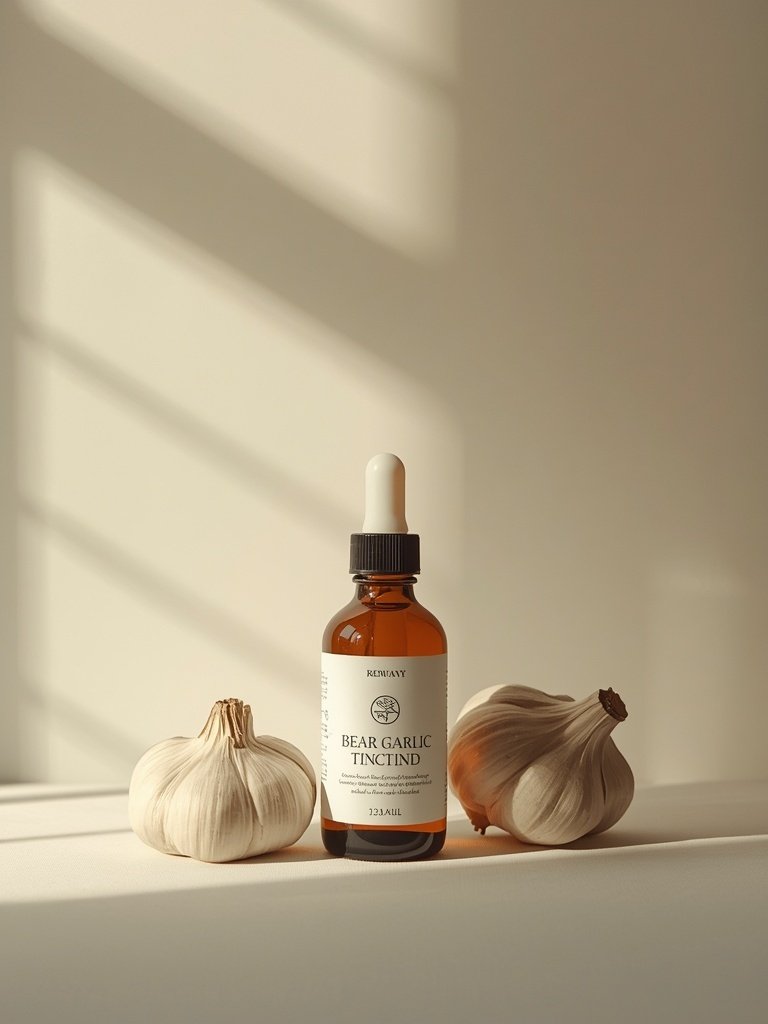
Bear garlic (Allium ursinum L.) has been a valued component of herbal medicine for centuries. Though less familiar than common garlic, its effects are equally significant - it promotes cardiovascular health, exhibits anticancer properties and demonstrates antibacterial activity. Is it worthwhile to explore its benefits and how can it be effectively applied?

Regular tarragon – properties and uses. What is tarragon rhizome used for?

Regular tarragon – properties and uses. What is tarragon rhizome used for?

In line with the advances in medicine, herbal medicine and its therapeutic effects on the body have garnered significant attention. This interest may be partially driven by the search for new therapies. Current data collected by the World Human Organization attest to the presence of nearly 7,000 herbal compounds used in medicine. Therefore, we have dedicated the present article to one of the most popular herbs used in traditional folk medicine - common tatarak (lat. Acorus calamus L.). We invite you to read on!

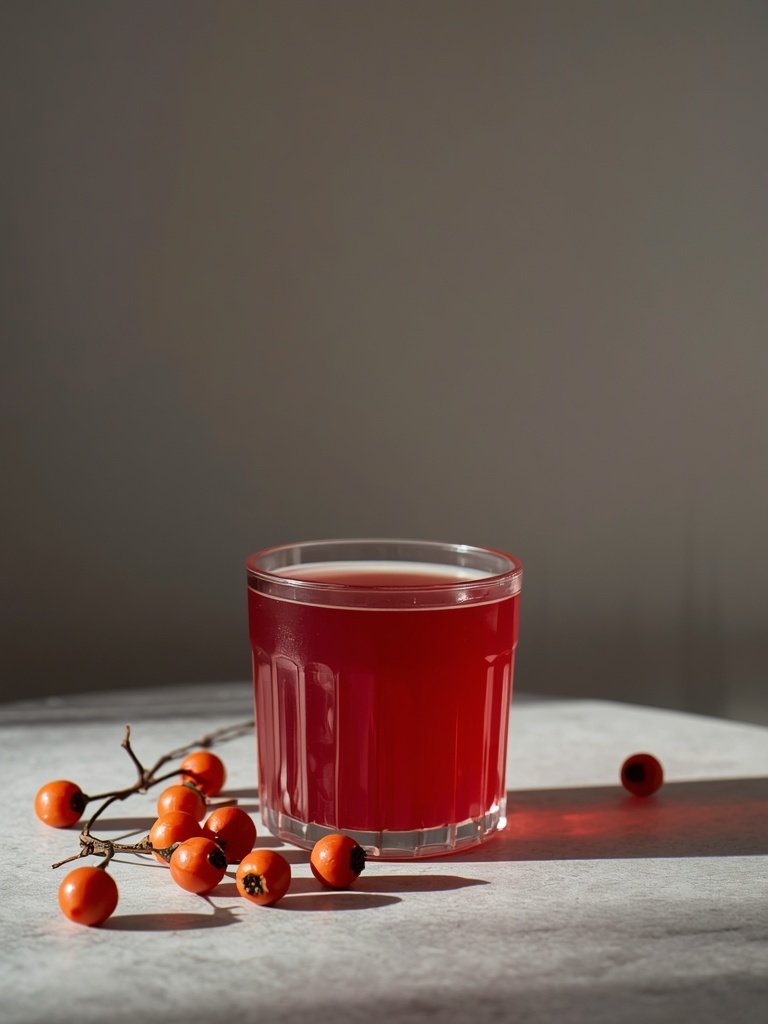
Rosehip juice - medicinal properties, how to prepare the juice

Rosehip juice - medicinal properties, how to prepare the juice

The wild rose is a shrub that is widely found throughout Poland. It blooms at the end of May and continues to bloom until June. Its fruits are a herbal remedy, used for making infusions, the petals are utilized for making preserves, and the seeds yield oil. We can also produce a healthy and tasty juice from it. We invite you to give our method of preparation a try!

Garden dill – characteristics, storage, and use: medicinal properties, caraway, and culinary art

Garden dill – characteristics, storage, and use: medicinal properties, caraway, and culinary art

Garden dill (Anethum graveolens) is an annual aromatic and medicinal herb belonging to the Apiaceae family, historically celebrated across Central European, Mediterranean, and Scandinavian gastronomic traditions. Its feathery, bright green fronds and pungent seeds offer a distinctive, mildly anise-like bouquet that enlivens diverse culinary dishes while providing profound digestive benefits. Dill is rich in volatile essential oils (predominantly carvone and limonene), protective flavonoids, vitamin C, and essential minerals that modulate gastrointestinal physiology. It possesses documented carminative, antispasmodic, and antimicrobial properties, relieving dyspepsia and abdominal fullness. This comprehensive guide covers dill's botanical profile, optimal post-harvest storage techniques, and versatile culinary applications.

Spelt coffee – properties and how to prepare a spelt drink

Spelt coffee – properties and how to prepare a spelt drink

Coffee, both natural and grain, is currently enjoying significant interest among consumers. Orchid coffee, due to its sensory properties similar to natural coffee, is willingly consumed by people who, for health reasons, should avoid natural coffee. Already in the Middle Ages, it was recommended by the pioneer of herbal medicine, St. Hildegard of Bingen, as a supplement to rational nutrition. What makes orchid coffee so appreciated? Learn more about its characteristics and benefits.

Lingonberry – varieties, medicinal properties, and traditional recipes

Lingonberry – varieties, medicinal properties, and traditional recipes

The European rowan (Sorbus aucuparia), commonly known as mountain ash, is a valued botanical species in herbal medicine featuring vibrant red berries packed with vitamin C, carotenoids, flavonoids, and organic acids. It provides valuable therapeutic support for renal function, cardiovascular health, and the digestive tract. Discover cultivated garden varieties, safe thermal processing guidelines to neutralize parasorbic acid, and proven recipes for homemade rowanberry preserves.

Herbal tinctures – mint, nettle tincture, plantain tincture, hemp tincture

Herbal tinctures – mint, nettle tincture, plantain tincture, hemp tincture

Herbal tinctures can be found in virtually every store and pharmacy. They can also be prepared personally, simply by pouring a ladleful of fresh leaves of the chosen plant with alcohol, waiting for a certain time, and then straining. Undoubtedly, it is worth using herbal tinctures, not only due to their taste, but also due to their healing properties. Which herbal tinctures should you choose? What properties do they possess and for whom are they recommended?

Share