3 min read
Sosnowsky’s Hogweed – Burns, Symptoms, Treatment. How to Identify Sosnowsky’s Hogweed?

Mia Hoffmann
✓
Diets Premium Expert • 25.09.2026
✓
Scientifically reviewed by a clinical dietitian:
This article has been peer-reviewed for adherence to IŻŻ, WHO, and PTGiP clinical nutritional standards.
| Diets Premium Expert Mia Hoffmann | min read 3 min | Scientifically reviewed by a clinical dietitian 25.09.2026 |
Smart Voice
•Listen to the article content live
0:00
/
0:00
Key Takeaways
The plant from the family of selerowatych was discovered in the year 1772 but was only classified in 1944 by Professor Sosnowsky, a Russian botanist. Sosnowsky's hogweed originally occurred as a part of the Caucasian flora in the plateau regions, but it quickly spread spontaneously and invaded extensive areas of Eastern and Central Europe.
Meal Plan
Want to apply these guidelines in your daily diet?
Our smart diet generator creates a tailored meal plan in 3 minutes based on the recommendations in this article.
Giant Caucasian hogweed (Sosnowsky’s hogweed)
Within its native range in the Caucasus region, this species typically reached heights of approximately one to one and a half meters; however, under the climatic conditions of Poland—and in the absence of natural competitors—its growth can exceed three and a half meters in height. Introduced to the country during the mid-19th century primarily as a potential forage crop for livestock, its uncontrolled proliferation, imposing stature, and the presence of phototoxic compounds—which pose significant health risks to both humans and animals—prompted its rapid exclusion from large-scale cultivation. Presently, the plant is widely distributed throughout Poland, particularly in the eastern regions, where it colonizes abandoned meadows, fallow agricultural lands, the vicinities of derelict structures, and the banks of rivers and streams, forming dense, difficult-to-eradicate thickets.
Phototoxic burn injuries induced by Sosnowsky’s hogweed: pathological mechanisms and high-risk exposure zones
The flowering period of Sosnowsky’s hogweed (Heracleum sosnowskyi) spans from mid-June to late July, during which even indirect exposure to the plant poses a significantly elevated risk of severe injury. The primary causative agents are furanocoumarins—highly phototoxic and photoallergic compounds present in its tissues—which exhibit a pronounced capacity for deep epidermal penetration. This infiltration can trigger extensive necrotic tissue damage alongside inflammatory responses that threaten both health and, in extreme cases, survival. The highest concentrations of these compounds are localized within the stem, leaf blades, and the fine, bristle-like trichomes covering the plant’s surface. The most frequently affected anatomical regions include exposed facial areas, the shoulders, and lower extremities, where burns typically manifest as second- or third-degree injuries necessitating specialized medical intervention.
Symptomatology of Sosnowsky’s hogweed poisoning: phototoxic burn risks and cutaneous manifestations
Direct exposure to the sap of Sosnowsky’s hogweed (*Heracleum sosnowskyi*) in conjunction with ultraviolet radiation triggers severe phototoxic reactions, characterized by the development of extensive, painful blisters resembling second-degree burns. Initial clinical manifestations—including erythema, edema, and serous exudative lesions—typically emerge within 2–6 hours post-exposure. The severity of symptoms correlates with the concentration of photosensitizing furanocoumarins in plant tissues, the duration of skin contact, and individual susceptibility. High-risk populations include young children (due to thinner epidermal barriers), elderly individuals (with impaired skin regeneration capacity), and patients with pre-existing dermal injuries, whose healing processes may be further compromised by the phytochemical exposure.
Comprehensive medical management of Heracleum sosnowskyi (Sosnowsky’s hogweed) burn injuries: from diagnosis to advanced therapies
The clinical management of burn injuries induced by exposure to Sosnowsky’s hogweed (Heracleum sosnowskyi) presents a significant therapeutic challenge, primarily due to the phototoxic effects of furanocoumarins present in the plant’s sap. The consequences of such burns—dependent on the depth of tissue damage—may range from permanent scar formation to extensive epidermal necrosis and deeper dermal layer destruction. Affected areas exhibit heightened photosensitivity to ultraviolet radiation for up to several years post-exposure, necessitating long-term photoprotective measures. The cornerstone of effective intervention lies in the immediate conduction of a thorough medical history assessment and precise diagnostic evaluation of injury severity; prompt action directly correlates with improved healing outcomes and reduced complication rates. Standard topical treatment regimens predominantly involve the application of glucocorticoid-based ointments and creams of varying potency, whose anti-inflammatory and immunosuppressive properties significantly accelerate tissue repair. Advances in tissue engineering have further introduced cutting-edge biomaterial dressings, including synthetic skin substitutes characterized by a microporous, highly oxygen-permeable, and biodegradable structure, thereby fostering an optimal environment for regenerative processes.
How to accurately identify and distinguish Sosnowsky’s hogweed from other plants
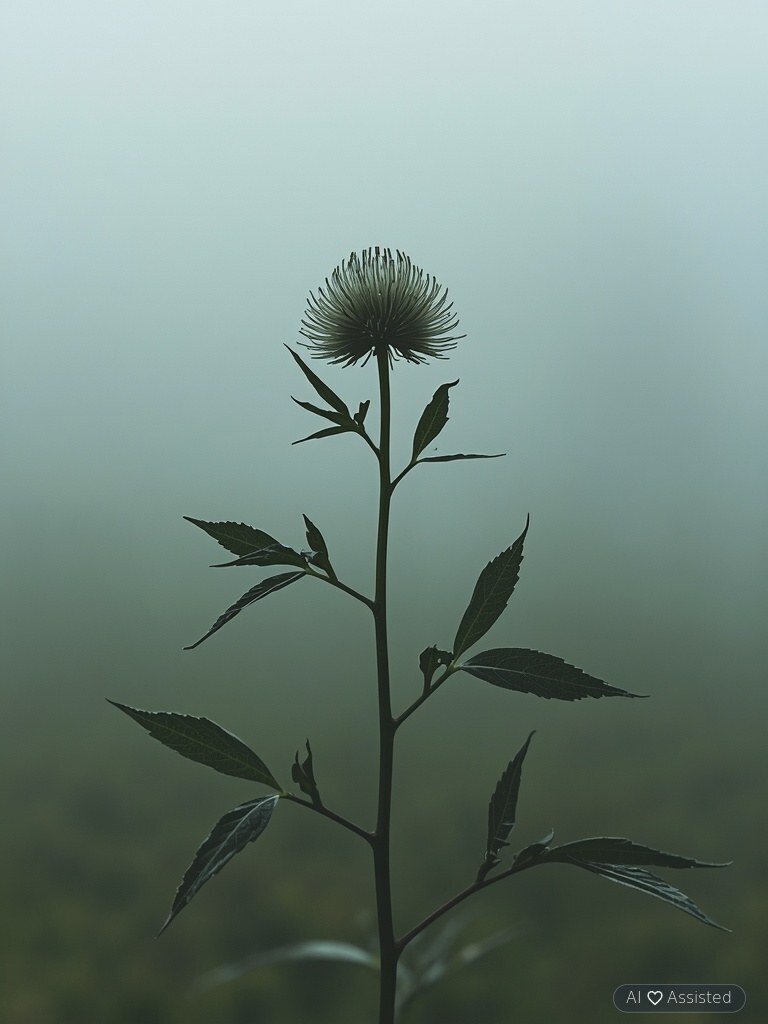
Sosnowsky’s hogweed (*Heracleum sosnowskyi*), despite its hazardous nature, exhibits a distinct set of morphological features and environmental preferences that substantially facilitate its identification. This plant is notable not only for its imposing stature—with stems ranging from 1 to 3.5 meters in height—but also for its unique structural characteristics: the stem is hollow internally and marked by longitudinal grooves along its exterior surface. The leaves display considerable variability in shape and often attain colossal dimensions, with individual leaves frequently exceeding one meter in diameter. The inflorescences take the form of expansive umbels, reminiscent of those found in common dill (*Anethum graveolens*), though on a far grander scale. It is critical to emphasize that public awareness regarding the hazards associated with exposure to this plant remains inadequately developed—survey data from 2015 indicate that only 57.7% of the population was properly informed about the potential consequences. Particular caution is advised during periods of elevated temperatures, as the phototoxic compounds present in the plant’s sap can induce severe cutaneous burns even in the absence of direct physical contact, upon subsequent exposure to sunlight.

Mia Hoffmann
✓Diets Premium Expert
Diets Premium team expert. Specializes in nutrition plans, strength sports, and training plans.
View Profile →