Nitric oxide (NO) – a pivotal gaseous signaling molecule in biological systems
Nitric oxide (NO) constitutes a biologically potent chemical mediator with a diverse array of regulatory functions across multiple physiological systems. Owing to its diminutive molecular dimensions and pronounced lipophilicity, this gaseous signaling molecule traverses phospholipid bilayers of cellular membranes with ease, circumventing the necessity for specialized transmembrane transport mechanisms. Its multifaceted roles encompass: facilitating vasodilation of vascular smooth muscle cells, thereby reducing peripheral vascular resistance and lowering arterial blood pressure; inhibiting platelet adhesion and aggregation, consequently modulating hemostatic parameters toward reduced thrombogenicity; promoting angiogenic processes, specifically the formation of new capillary networks; serving as a neuromodulator within the central nervous system, where it influences cognitive functions including memory consolidation and learning processes; enhancing local tissue perfusion, a critical factor in the physiological mechanics of erection; optimizing glucose metabolism at the cellular level by facilitating its uptake into myocytes; stimulating mitochondrial biogenesis, which augments cellular energetic capacity and improves exercise tolerance; diminishing the metabolic cost of muscular exertion while increasing maximal oxygen uptake, collectively resulting in a substantial enhancement of overall physical performance and endurance.
Biological activity of nitric oxide (NO) – synthetic pathways and modifying factors influencing its endogenous production
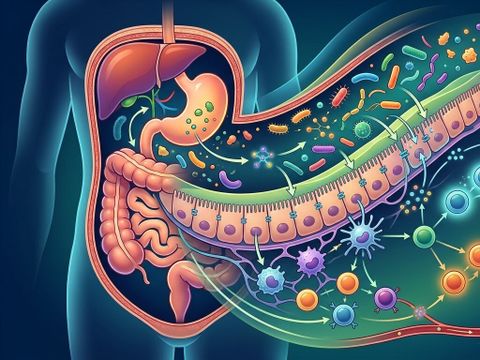
Nitric oxide (NO), a pivotal signaling molecule within the cardiovascular system, is endogenously synthesized in humans primarily from the amino acid arginine via enzymatic oxidation catalyzed by nitric oxide synthase (NOS). While arginine supplementation is frequently proposed to augment NO biosynthesis, its efficacy proves substantially inferior compared to dietary nitrates—such as those abundant in beetroot juice, which contains high concentrations of inorganic nitrates. Due to the limited bioavailability of free arginine, more complex formulations like arginine alpha-ketoglutarate (AAKG) have been developed to potentially enhance absorption. Notably, increased NO production may also follow the ingestion of citrulline or ornithine—compounds metabolically converted to arginine within the body, thereby indirectly boosting endogenous NO synthesis. However, arginine is not the sole determinant of NO generation. Inorganic nitrates, commonly found in foodstuffs, undergo bacterial reduction in the oral cavity to form nitrites, which significantly contribute to elevated NO levels. In the acidic environment of the stomach, a portion of these nitrites spontaneously converts to NO, while the remainder is absorbed in the intestines and distributed via the bloodstream. Furthermore, both enzymatic and non-enzymatic pathways—mediated by proteins including cytoglobin, deoxyhemoglobin, carbonic anhydrase, and neuroglobin—facilitate the conversion of nitrites to NO, particularly under hypoxic conditions. From a practical standpoint, this implies that high-intensity physical exertion, especially anaerobic exercise, can dynamically stimulate NO production. This insight holds particular relevance for strength and speed athletes, as well as recreational exercisers, due to potential benefits in performance enhancement and post-exercise recovery.
Dietary Nitric Oxide (NO) Precursors: Evidence-Based Intake Optimization and Timing Strategies for Physiological Performance
This article examines nitrate-rich foods as primary precursors for endogenous nitric oxide (NO) synthesis, detailing their quantitative content (mg/kg) alongside evidence-supported effective dosages (6.4–12.8 mg/kg body weight). It outlines optimized timing protocols (1–2 hours pre-exercise vs. evening consumption for morning workouts) and nitrate pharmacokinetics (half-life ~24h), with emphasis on beetroot juice as a practical, performance-enhancing supplement documented to improve endurance, muscle perfusion, and reduce exercise-induced fatigue.
The role of nitrates in physical activity: mechanisms of action and variable effects based on training experience
Scientific evidence indicates that nitrates play a pivotal role in enhancing physical performance during exercise, with their beneficial effects being most pronounced in individuals with limited training experience or those in the early stages of athletic development. Conversely, professional and highly trained athletes exhibit a significantly diminished response to supplementation with these compounds. The primary mechanism underlying their action involves the stimulation of nitric oxide (NO) synthesis, which translates into improved microcirculation, enhanced muscle tissue perfusion, and more efficient oxygen delivery to working muscles. This phenomenon, colloquially referred to as the "muscle pump effect," has gained traction among both competitive athletes and recreational fitness enthusiasts. However, it is important to note that while increased vascular engorgement of muscles may be advantageous in many disciplines, it can prove detrimental in sports requiring precise movements, such as martial arts or gymnastics. Notably, a review of available literature suggests that dietary sources of nitrates—such as beetroot juice or leafy greens—may exert a more potent influence on NO production than synthetic nitrate supplements, a consideration that should inform nutritional strategies designed to support training adaptations.
Nitric oxide supplementation: A comprehensive guide to performance-enhancing and vasodilatory nutritional preparations
Compounds classified under the term *nitric oxide boosters* constitute a diverse category of dietary supplements primarily designed to enhance cardiovascular function and improve physical performance during high-intensity exercise. The contemporary supplementation market offers both single-ingredient and multi-ingredient formulations, with particular emphasis on nitrogen-containing compounds demonstrated to influence nitric oxide (NO) synthesis. Among the most frequently utilized monocompounds are: **L-arginine** (predominantly in the form of **arginine alpha-ketoglutarate, or AAKG**), **ornithine** (commonly found as **L-asparagine L-ornithine**), **L-citrulline** (particularly as **citrulline malate**), and **L-carnitine** (primarily as **glycine propionyl-L-carnitine**). Additionally, complex blends are available that incorporate not only these amino acids but also **plant-based extracts rich in nitrates** (e.g., from beetroot – *Beta vulgaris*), alongside supplementary performance-enhancing agents such as **creatine monohydrate, caffeine, branched-chain amino acids (BCAAs)**, or **vitamin complexes**. Given the rapid evolution of the supplementation industry and the variability in individual metabolic demands, the selection of appropriate preparations should be grounded in a thorough assessment of physiological requirements, taking into account factors such as training intensity, health status, and potential interactions with other supplements or pharmaceuticals.