PRO
8 min read
How to Prepare Sweet Potatoes? Recipes

Sophia Williams
✓
Diets Premium Expert • 25.09.2026
✓
Scientifically reviewed by a clinical dietitian:
This article has been peer-reviewed for adherence to IŻŻ, WHO, and PTGiP clinical nutritional standards.
| Diets Premium Expert Sophia Williams | min read 8 min | Scientifically reviewed by a clinical dietitian 25.09.2026 |
Smart Voice
•Listen to the article content live
0:00
/
0:00
Key Takeaways
Since the dawn of time, mankind has been on the lookout for food products that boast health-promoting properties and a high content of valuable nutrients, coupled with a desirable taste. The tubers and leaves of the batata, also known as sweet potato, are prime examples of such products.
Meal Plan
Want to apply these guidelines in your daily diet?
Our smart diet generator creates a tailored meal plan in 3 minutes based on the recommendations in this article.
PRO Content
PRO
This article is professional premium content (PRO) provided in its entirety.
Sweet Potatoes: A Nutritional Powerhouse and Why They Should Be a Staple in Your Diet
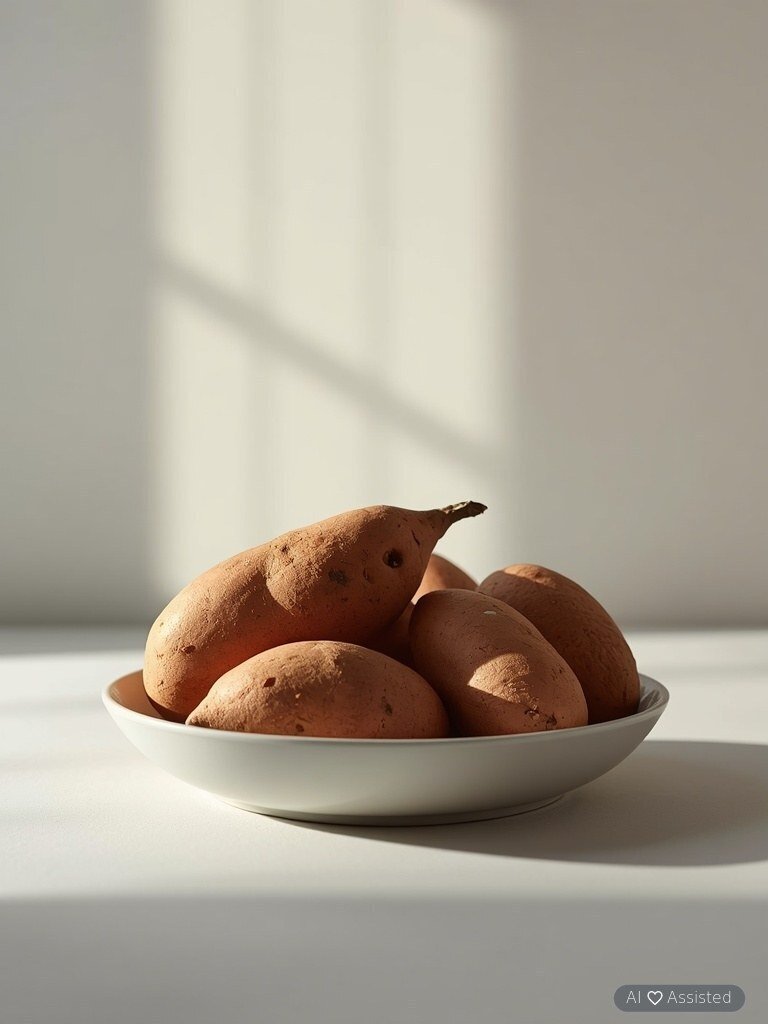
While the sweet potato (Ipomoea batatas) boasts substantially greater nutritional and medicinal benefits compared to the conventional potato—a staple in Polish cuisine—its full potential remains underappreciated by many consumers. Both the tuberous roots and the leaves of this versatile vegetable are edible and packed with essential nutrients. The leaves, in particular, are rich in vitamin A, a critical nutrient for vision, immune function, and skin health, which the body synthesizes from beta-carotene—a compound abundantly found in carrots, tomatoes, and, notably, in sweet potato tubers and leaves. Intriguingly, varieties with deep yellow or orange flesh contain significantly higher concentrations of carotenoids than common vegetables such as pumpkin, broccoli, or spinach. These carotenoids function as potent antioxidants, combating oxidative stress and potentially reducing the risk of certain cancers. Additionally, sweet potato leaves are an excellent source of folate, a nutrient of paramount importance during early pregnancy, as its deficiency is linked to neural tube defects in developing fetuses. The tubers themselves are a mineral treasure trove, containing calcium, phosphorus, potassium, magnesium, iron, iodine, and trace amounts of manganese, copper, molybdenum, and selenium. Furthermore, the protein found in sweet potatoes is notable for its complete amino acid profile, encompassing nearly all essential amino acids, making it an ideal component of vegetarian and vegan diets. With a low glycemic index (GI = 54), sweet potatoes are also a suitable dietary option for individuals managing diabetes, offering a slower, more stable release of glucose into the bloodstream.
Stores and locations where sweet potatoes (yams) can be purchased
Sweet potatoes, often referred to as yams in some regions, represent a widely accessible product available through diverse retail channels. They can be sourced not only from specialty health food stores and traditional greengrocers but also from larger supermarket chains. It is worth noting, however, that their cost may be marginally elevated when compared to conventional potato varieties, a factor that could pose a minor challenge for certain consumers during routine grocery shopping.
What is the current market price of sweet potatoes in Poland?
Presently, acquiring sweet potatoes in Polish retail outlets poses no significant challenge. Conventional varieties typically range in price from PLN 6 to PLN 9 per kilogram. In contrast, certified organic products command substantially higher rates—prices fluctuate between PLN 20 and PLN 22 per kilogram, reflecting the growing consumer demand for premium-quality, organically sourced foodstuffs.
What are the precise caloric values and nutritional components found in boiled sweet potatoes (batatas)?
While sweet potatoes (*Ipomea batatas*) share certain chemical similarities with conventional potatoes, their nutritional and health-promoting properties surpass those of the latter by nearly 50%. The primary storage compound in the tubers consists of carbohydrates—both starch and simple sugars—which accounts for the majority of the energy derived from these components. Additionally, sweet potatoes serve as a rich source of complete protein, minimal fat content, and fat-soluble vitamins, most notably provitamin A (beta-carotene). The caloric value of 100 grams of leaves amounts to just 35 kcal, whereas the tuber itself provides 86 kcal per 100 grams. Consuming a standard serving of boiled sweet potatoes (approximately 230 g) delivers roughly 175 kcal to the body. The comparative table below outlines the detailed nutritional profiles for raw and cooked *Ipomea batatas* tubers:
**Comparative nutritional value table for sweet potatoes (per 100 g)**
• **Raw (tuber)**: 86 kcal, 0.1 g fat (including 0.0 g saturated fatty acids), 20.1 g carbohydrates (4.2 g sugars), 3.0 g dietary fiber, 1.6 g protein, 0.1 g salt, 2.4 mg vitamin C, 11 µg folate, 337 mg potassium.
• **Boiled (peeled)**: 76 kcal, 0.14 g fat (including 0.03 g saturated fatty acids), 17.72 g carbohydrates (5.74 g sugars), 2.5 g dietary fiber, 1.37 g protein, 0.067 g salt, 12.80 mg vitamin C, 6 µg folate, 230 mg potassium.
Culinary Inspirations with Sweet Potatoes: Recipes, Nutritional Benefits, and Regional Cooking Traditions
The sweet potato, scientifically classified as *Ipomoea batatas*, occupies a pivotal position in global food systems—serving as a raw material for sago flour production, fermented beverages, crispy snacks, candied confections, and enriching soups, main courses, and infant nutritional formulas. Its distinctive mildly sweet flavor and velvety texture have cemented its status as a versatile ingredient across diverse culinary traditions. Thermal processing techniques—ranging from boiling and frying to baking—enhance its organoleptic qualities, particularly when paired with aromatic herbs and pungent spices. Regional preparation methods reflect cultural nuances: in Ethiopia, the tubers are commonly braised with vegetables and seasoned with clarified butter, ginger, and nutmeg, whereas in Taiwan, they are predominantly steamed and mixed with white rice as a staple dish. This compilation presents time-tested recipes—spanning creamy soups, crispy fries, and vibrant salads—alongside practical guidance for composing balanced meals for family gatherings, with an emphasis on healthier substitutes for ultra-processed foods.

Sophia Williams
✓Diets Premium Expert
Diets Premium team expert. Specializes in nutrition plans, strength sports, and training plans.
View Profile →