Gastritis (Inflammation of the Stomach Lining): Symptoms, Causes, Treatment, and Diet

| Diets Premium Expert Kacper Nowak | min read 5 min | Scientifically reviewed by a clinical dietitian 23.10.2026 |
Smart Voice
•Listen to the article content live
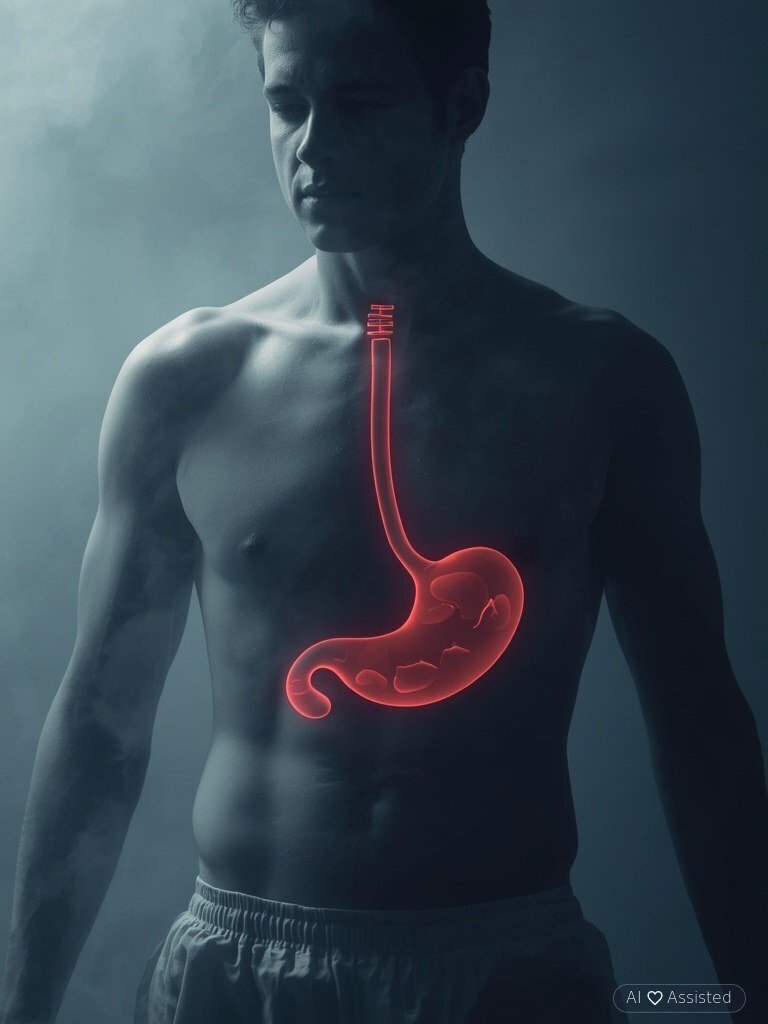
Gastritis, commonly known as inflammation of the stomach lining, is a prevalent condition that can be triggered by various factors. Excessive alcohol consumption, prolonged use of non-steroidal anti-inflammatory drugs (NSAIDs) such as aspirin or ibuprofen, and bacterial infections like Helicobacter pylori are common culprits. While gastritis can sometimes be asymptomatic, it often presents with burdensome symptoms such as upper abdominal pain, nausea, vomiting, or a feeling of fullness. Early diagnosis and the implementation of appropriate pharmacological and dietary treatment are crucial to prevent unpleasant consequences and complications of this disorder. Symptoms should never be underestimated, as untreated gastritis can lead to more severe health issues.
Want to apply these guidelines in your daily diet?
Our smart diet generator creates a tailored meal plan in 3 minutes based on the recommendations in this article.
Gastritis: Definition and Types
Gastritis is an inflammation of the mucosal lining of the stomach. It is primarily categorized into two major forms:
- Acute gastritis: Characterized by a sudden onset, potentially presenting as hemorrhagic inflammation, bacterial infection by Helicobacter pylori, or phlegmonous inflammation.
- Chronic gastritis: A long-standing inflammatory condition, further subdivided into chronic non-atrophic gastritis (often due to H. pylori), autoimmune atrophic gastritis, and bile reflux gastropathy.
Other rarer causes include chemical, radiation-induced, granulomatous (e.g., Crohn's disease), and infectious origins. Clinically, it is important to distinguish true inflammation (gastritis) from gastropathy, where mucosal damage occurs without significant inflammation.
Symptoms of Gastritis
Gastritis can be asymptomatic, but most frequently it manifests through nonspecific upper abdominal pain and digestive discomfort. Typical symptoms include:
- Upper abdominal pain or discomfort
- Nausea and vomiting (may contain blood traces in severe inflammation)
- Belching, bloating, and gas
- Early satiety after eating
- Loss of appetite and unexplained weight loss
In severe forms like hemorrhagic gastritis, mucosal micro-tears can trigger active bleeding, leading rapidly to iron deficiency anemia. A critical warning sign is melena (black, tarry stools), indicating active gastrointestinal bleeding.
Causes of Gastritis
The etiology of gastritis encompasses infectious, toxic, and iatrogenic factors. The most common triggers for acute gastritis include:
- Excessive alcohol consumption
- Regular use of non-steroidal anti-inflammatory drugs (NSAIDs)
- Severe physiological stress (burns, major trauma, shock)
- Central nervous system disorders
Meanwhile, approximately 80% of chronic gastritis cases are driven by Helicobacter pylori infection. Other key contributors include autoimmune mechanisms, persistent bile reflux, cigarette smoking, and chronic psychological stress, all of which compromise the protective gastric mucosal barrier.
Treatment of Gastritis
The treatment strategy depends directly on the diagnosed cause of gastritis. Pharmacotherapy forms the cornerstone of management:
- Proton pump inhibitors (PPIs) and H2-receptor antagonists to reduce gastric acid production
- Antacids and mucosal protective agents (e.g., sucralfate)
- Prokinetics to improve gastric motility
If Helicobacter pylori is detected, targeted antibiotic eradication therapy is implemented. When NSAIDs are the underlying cause, discontinuation or substitution is required. Autoimmune gastritis may require vitamin B12 supplementation, and in severe complicated cases, surgical intervention might be necessary.
Dietary Management for Gastritis
Nutritional modification is a fundamental component of recovery. In acute gastritis, short-term dietary restriction in favor of hydration with mild fluids (water, weak tea, chamomile infusion) is recommended. Over subsequent days, easily digestible items are gradually reintroduced, including rice gruel, boiled lean meat, blended vegetable purees, and white bread.
During the chronic phase, patients should eat 4–5 smaller meals daily while strictly avoiding fatty, spicy, and fried foods, strong coffee, alcohol, and gas-producing items. A properly tailored diet reduces mucosal irritation and promotes gastric tissue regeneration.
Tags

Kacper Nowak
✓Diets Premium Expert
Diets Premium team expert. Specializes in nutrition plans, strength sports, and training plans.
View Profile →