Essential Household Medical Kit: Critical Emergency Supplies, Safe Storage, and Expiration Audits

| Diets Premium Expert Laura Schneider | min read 3 min | Scientifically reviewed by a clinical dietitian 23.10.2026 |
Smart Voice
•Listen to the article content live
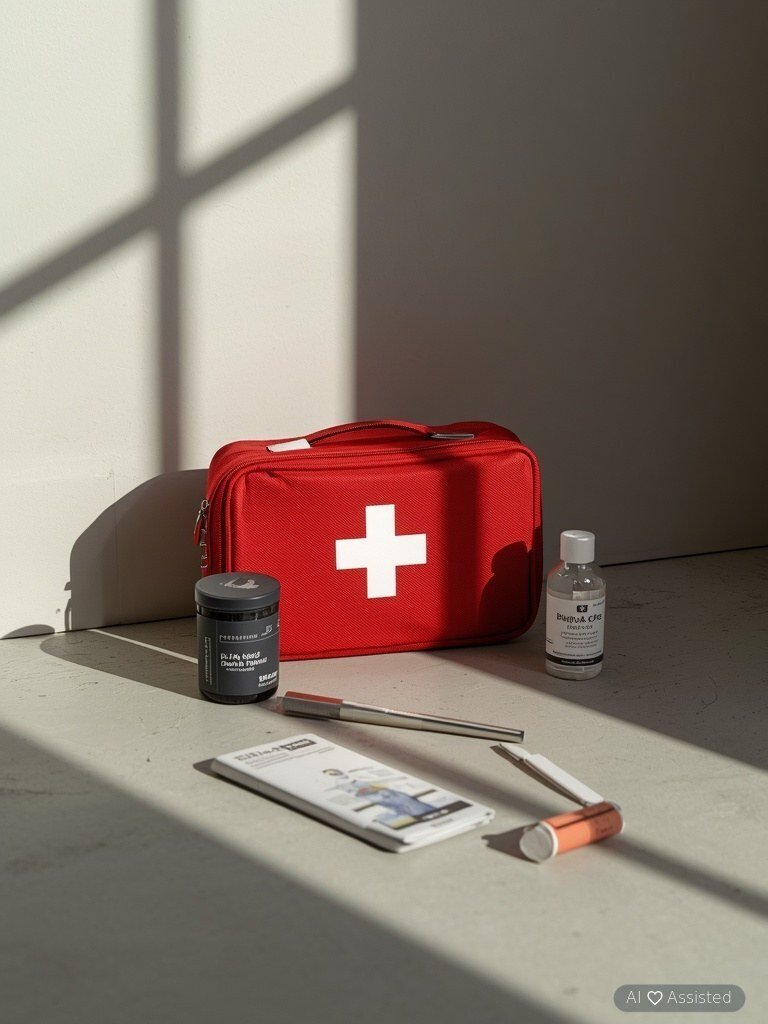
A well-curated domestic first-aid cabinet represents a critical safety baseline for every household, enabling rapid emergency response to acute trauma, thermal burns, pediatric febrile episodes, and poisonings. Frequently, however, household medical reserves consist of disorganized, expired pharmaceuticals stored improperly in humid, thermally fluctuating bathrooms. This comprehensive guide outlines standardized OTC medications, advanced sterile trauma dressings, child-resistant storage protocols, and systematic biannual inventory audits.
Want to apply these guidelines in your daily diet?
Our smart diet generator creates a tailored meal plan in 3 minutes based on the recommendations in this article.
Essential Pharmacological Inventory: Analgesics, Antipyretics, Electrolytes, and Antihistamines
A functional home pharmacy incorporates validated first-line over-the-counter pharmaceuticals:
- Core Antipyretics and Analgesics: Acetaminophen/paracetamol (the primary baseline antipyretic for pediatrics, pregnancy, and elderly patients devoid of gastric irritation) alongside ibuprofen (providing anti-inflammatory efficacy for odontogenic or musculoskeletal pain). Maintain age-appropriate formulations (calibrated oral syringes for liquid suspensions).
- Standardized Oral Rehydration Salts (ORS): WHO-formulated glucose-electrolyte packets—indispensable for preventing catastrophic dehydration during viral gastroenteritis and pediatric febrile illness.
- Second-Generation Non-Sedating Antihistamines: Cetirizine, loratadine, or bilastine for rapid mitigation of acute allergic manifestations (urticaria, hymenoptera stings, acute rhinitis).
- Gastrointestinal Adsorbents and Carminatives: Medical-grade activated charcoal (for accidental non-corrosive toxic ingestions under poison control guidance), simethicone for gas-distension pain, and stable probiotics (Saccharomyces boulardii).
Advanced Trauma Dressings and Hardware: Digital Thermometry, Hydrogels, and Wound Strips
Trauma management demands sterile hardware and burn-care biomaterials:
- Validated Digital Thermometry: A calibrated flexible-tip electronic thermistor or clinical-grade infrared tympanic thermometer, periodically inspected for battery viability.
- Non-Cytotoxic Aqueous Antiseptics: Standardized octenidine dihydrochloride spray—non-stinging, non-staining, and devoid of tissue necrosis liabilities associated with obsolete rubbing alcohols.
- Sterile Hydrogel Burn Dressings: Purified water-based hydrogel sheets or gels that rapidly dissipate dermal thermal energy via latent heat of evaporation, halting deep coagulative zone expansion.
- Comprehensive Dressing Kit: Assorted sterile non-adherent gauze compresses, self-cohesive elastic support bandages, hypoallergenic adhesive tape, reinforced skin closure strips (Steri-Strips), blunt-ended surgical bandage scissors, precision splinter forceps, and examination nitriles.
Storage Architecture: Pediatric Poisoning Safeguards and Proper Pharmaceutical Disposal
Pharmaceutical stability and home safety mandate strict storage architecture:
- Prohibition of Bathroom and Kitchen Placement: Elevated relative humidity and cyclical thermal spikes in domestic bathrooms catalyze chemical ester hydrolysis and rapid degradative breakdown. The kit belongs in a cool (15°C to 25°C / 59°F to 77°F), dry, dark location.
- Child-Resistant Locking Cabinets: Storage must be wall-mounted above child reach and secured with tamper-resistant locks to prevent accidental pediatric ingestion, a leading cause of childhood poison admissions.
- Biannual Expiration Audits: Comprehensive audits conducted every 6 months. Discard expired stocks; ophthalmic drops lose antimicrobial sterility 28 days post-unsealing.
- Ecological Pharmaceutical Disposal: Pharmaceuticals must never be flushed into municipal waterways or general household garbage to prevent aquatic bioaccumulation. Expired medications must be surrendered at certified pharmacy collection drop-boxes.
Tags

Laura Schneider
✓Diets Premium Expert
Diets Premium team expert. Specializes in nutrition plans, strength sports, and training plans.
View Profile →