Diosmin: Vascular Protection, Indications, Side Effects, and Contraindications

| Diets Premium Expert Laura Schneider | min read 2 min | Scientifically reviewed by a clinical dietitian 23.10.2026 |
Smart Voice
•Listen to the article content live
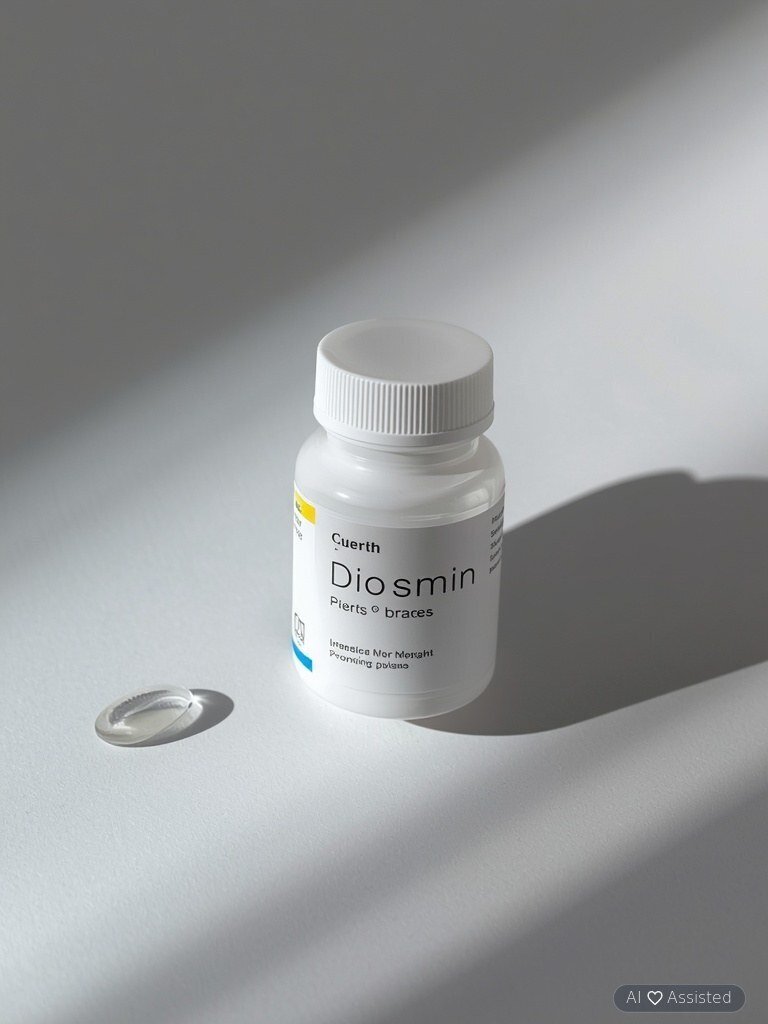
Diosmin is a naturally occurring bioflavonoid glycoside found primarily in citrus rinds, widely used as an evidence-based phlebotonic agent. This review examines its biochemical mechanisms, clinical indications in venous disorders, metabolic interactions, and safety considerations.
Want to apply these guidelines in your daily diet?
Our smart diet generator creates a tailored meal plan in 3 minutes based on the recommendations in this article.
What is Diosmin and How Does it Support Vascular Health?
Diosmin belongs to the flavone subclass of flavonoids and is predominantly administered in micronized purified flavonoid fraction (MPFF) form to enhance gastrointestinal bioavailability.
Key vascular actions:
- Venous tone augmentation: Prolongs noradrenaline-mediated venoconstriction in the venous wall, diminishing venous stasis and pooling.
- Microcirculatory protection: Inhibits leukocyte rolling, adhesion, and migration via endothelial adhesion molecule suppression, reducing hyperpermeability.
- Lymphatic drainage stimulation: Increases lymphatic capillary contractility and oncotic flow, reducing tissue edema.
Impact on Glycemia and Carbohydrate Metabolism
Preclinical and translational investigations indicate that diosmin positively modulates glucose homeostasis:
- Upregulates key glycolytic enzymes and hepatic glycogen synthesis while dampening gluconeogenesis.
- Exerts potent antioxidant scavenging within pancreatic islet beta cells against oxidative damage.
- Improves insulin-stimulated glucose uptake in peripheral skeletal muscle.
While valuable as an adjuvant agent for diabetic microangiopathy, it serves as a supplement rather than a substitute for primary antidiabetic pharmacotherapy.
Diosmin in Hemorrhoidal Disease and Chronic Venous Insufficiency
The premier evidence-based therapeutic indication for diosmin lies in venous pathology management:
- Chronic Venous Insufficiency (CVI): Significant alleviation of heaviness, dull aching, nocturnal cramps, and dependent leg swelling.
- Acute Hemorrhoidal Flare-ups: Short-term high-dose MPFF protocols reduce acute bleeding, thrombosis inflammation, and anal discomfort rapidly.
Contraindications and Precautions
Prior to initiating diosmin therapy, clinically relevant contraindications must be evaluated:
- Hypersensitivity: Known allergy to citrus flavonoids or formulation excipients.
- Pregnancy and lactation: While teratogenic signals are absent in toxicology models, first-trimester and breastfeeding use should be strictly physician-guided.
- Bleeding diathesis: Concomitant use with oral anticoagulants warrants professional monitoring.
Side Effects and Safety Profile
Diosmin exhibits an exemplary clinical safety profile. Infrequent, self-limiting adverse events may include:
- Gastrointestinal disturbances: Mild dyspepsia, nausea, heartburn, or soft stools.
- Autonomic sensations: Transient cephalalgia (headache) or dizziness.
- Cutaneous reactions: Rare allergic rash or pruritus.
Taking the compound alongside solid meals noticeably minimizes gastrointestinal irritation.
Tags

Laura Schneider
✓Diets Premium Expert
Diets Premium team expert. Specializes in nutrition plans, strength sports, and training plans.
View Profile →