Authentic Dairy Cheese vs. Plant-Based Cheese Alternatives: Key Differences and Identification Methods

| Diets Premium Expert Alicja Kowalska | min read 4 min | Scientifically reviewed by a clinical dietitian 23.10.2026 |
Smart Voice
•Listen to the article content live
Plant-based cheese alternatives, primarily composed of vegetable oils such as palm, rapeseed, or coconut fat, do not meet the legal definition of cheese. Under European Union regulations, the term 'cheese' is strictly reserved for dairy products derived exclusively from animal milk (bovine, ovine, or caprine). Misleadingly labeling plant-based substitutes with terms implying authentic dairy origin violates food labeling standards and consumer protection laws.
Want to apply these guidelines in your daily diet?
Our smart diet generator creates a tailored meal plan in 3 minutes based on the recommendations in this article.
Composition and Traditional Production of Authentic Cheese
Authentic cheese is not only high in fat and calories but also provides significantly more calcium than milk—such as 1380 mg per 100 grams in Parmesan. Many individuals cannot tolerate lactose in milk, but cheese consumption does not typically cause digestive issues. When selecting cheese, price should not be the sole deciding factor, as producing 1 kg of cheese requires approximately 10–12 liters of milk.
In addition to milk, yellow cheeses may contain the following natural ingredients:
Lyszyme (E1105), a natural preservative derived from egg white that inhibits bacterial growth and supports a healthy gut microbiome; lactic acid bacteria responsible for fermentation and flavor development; rennet (chymosin), which facilitates milk coagulation and separates curd from whey; calcium chloride (E509), naturally occurring in sea salt, which enhances texture and calcium content; annatto (E160b), a natural yellow dye extracted from the seeds of the tropical achiote tree.
Importantly, when purchasing cheese, avoid products containing sodium or potassium nitrites, which can form carcinogenic nitrosamines when heated. These compounds are particularly prevalent in highly processed foods like frozen pizzas and casseroles.
The milk fat in authentic cheese contains valuable bioactive components, including short-chain fatty acids (e.g., butyrate), which have anti-inflammatory properties, as well as conjugated linoleic acid (CLA), which exhibits antioxidant and potential anti-cancer effects. Additionally, cheese contains vitamins A and E, as well as coenzyme Q10, which bolster the body’s antioxidant defenses.
In contrast, plant-based cheese alternatives often contain hydrogenated fats that produce unhealthy trans fats linked to cardiovascular diseases, atherosclerosis, and diabetes.
Cheese Alternatives: Hydrogenated Fats, Palm Oil, and Fillers
Cheese alternatives are primarily engineered to reduce production costs and replace valuable milk fat with inexpensive, refined vegetable oils—most commonly partially hydrogenated palm or soybean oil. These oils contain unhealthy trans fats linked to increased risks of cardiovascular diseases, atherosclerosis, and diabetes. Instead of natural enzymatic curd formation, industrial processes blend skimmed milk powder with modified starches, polyphosphate emulsifiers, artificial colorants, and synthetic flavorings to mimic the taste and texture of Gouda or Cheddar.
These products exhibit an unfavorable lipid profile, promote vascular inflammation, and disrupt lipid metabolism. Additionally, they often contain additives such as artificial dyes, preservatives, and flavor enhancers that not only degrade nutritional value but may also trigger allergic reactions.
A critical drawback is the lack of biological value: The proteins in plant-based cheese alternatives are not comparable to the high-quality dairy proteins like casein and whey, which provide all essential amino acids in optimal proportions.
Most Commonly Counterfeited Cheeses: From Gouda to Parmigiano-Reggiano
Cheese is categorized based on the type of milk used, including sheep’s milk varieties like Bryndza and Oszipok. Many are familiar with Oszipok, a specialty from the Polish Tatra Mountains, but few realize it is traditionally made only from May to September using sheep’s milk and can be sold until October. Today, however, it is available year-round—both in traditional mountain villages like Zakopane and in supermarkets.
Such products should not be labeled as 'Oszipok' if they are adulterated with cow’s milk instead of sheep’s milk. Unfortunately, many Oszipok products lack labeling, making identification difficult. Authentic Oszipok is characterized by higher hardness, elasticity, and less stickiness. Sheep’s milk contains more casein than cow’s milk, which is why genuine Oszipok has a lighter color and less sticky texture.
Sheep’s milk and its products are rich in conjugated linoleic acid (CLA), which has been shown to have anti-cancer properties. Research indicates that sheep’s milk contains up to 12.38 mg/g of CLA—significantly more than cow’s milk (8.71 mg/g) or goat’s milk (6.67 mg/g). Additionally, sheep’s milk is particularly high in lactose, giving it a slightly sweet flavor, as well as micronutrients such as selenium, iron, zinc, manganese, vitamins A, C, B1, B2, B6, B12, and folic acid.
The protein in sheep’s milk is comparable to that of chicken eggs and contains all essential amino acids in optimal amounts for human nutrition. Those who choose Oszipok should prioritize authenticity, as high-quality products justify their cost. However, certain groups, such as pregnant women, should avoid raw milk cheeses due to the risk of listeriosis.
According to a survey by the Center for Social Research (CBOS), about 12% of Poles are unaware that plant-based cheese alternatives exist on the market. Many consumers cannot distinguish authentic cheese from imitations, which can lead to long-term nutritional issues. What appears to be a harmless cheese block might turn out to be a sticky, inedible mass when prepared at home.
How to Identify Real Cheese: Label Literacy and Kitchen Verification
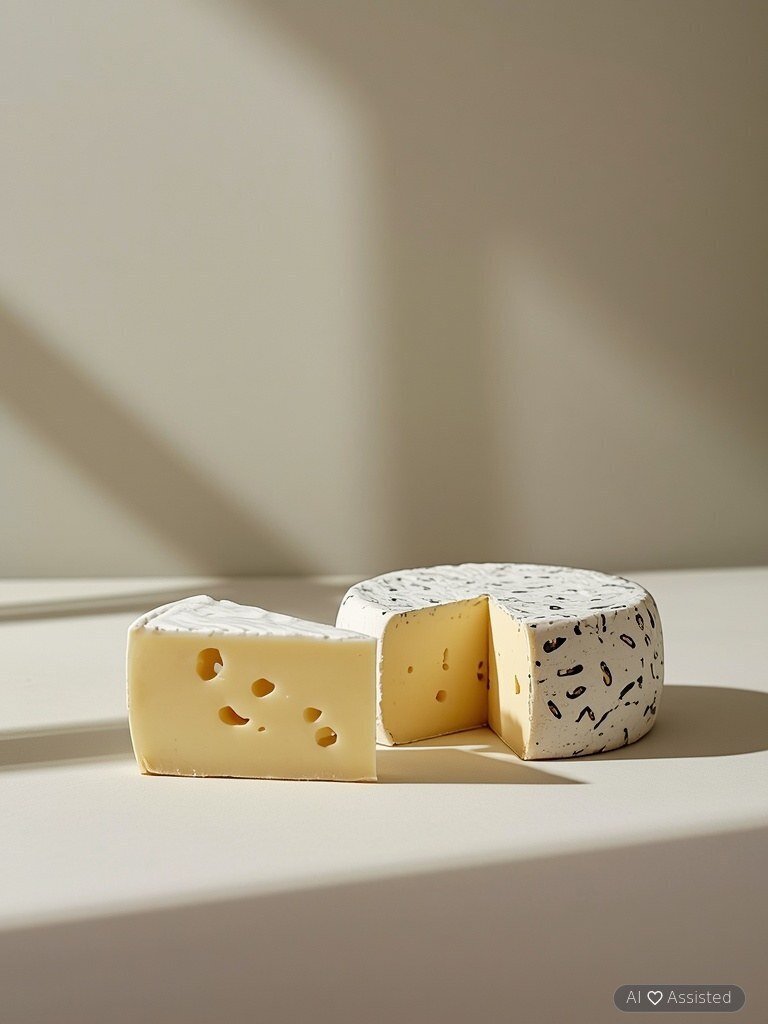
A discerning consumer can easily distinguish authentic cheese from counterfeits by examining the ingredient list. Real cheese should contain only: milk, microbial cultures, rennet, and salt (optionally natural annatto coloring and calcium chloride). Terms like 'pizza topping', 'sandwich block', 'vegetable oil', 'palm oil', or 'starch' indicate a cheese analog.
A simple kitchen test can confirm authenticity: Authentic cheese melts smoothly when heated, forming delicate strands and releasing a natural buttery aroma. In contrast, imitations drip oily, crumble, or burn into a rubbery residue.
Additionally, pay attention to the origin of the milk: Authentic sheep’s or goat’s cheese should be clearly labeled as such. EU cheese must include an origin designation (e.g., 'Tatra Oszipok'). Avoid products with vague terms like 'milk product' or 'cheese substitute', as these often contain plant-based ingredients.
Another tip: Observe the texture. Authentic cheese is not sticky and does not dissolve into an oily sheen. If in doubt, check the packaging: High-quality cheeses are often sold in wooden or paper packaging, while imitations are typically wrapped in shiny plastic.
Tags

Alicja Kowalska
✓Diets Premium Expert
Diets Premium team expert. Specializes in nutrition plans, strength sports, and training plans.
View Profile →