5 Natural Ways to Catch a Cold

| Diets Premium Expert Sophia Williams | min read 1 min | Scientifically reviewed by a clinical dietitian 23.10.2026 |

Smart Voice
•Listen to the article content live
Want to apply these guidelines in your daily diet?
Our smart diet generator creates a tailored meal plan in 3 minutes based on the recommendations in this article.
Thermal Mismatches – How Hypothermia and Overheating Invite Viral Entry
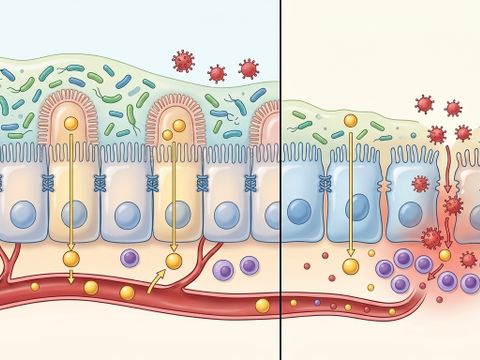
Inadequate thermal adaptation to inclement weather swiftly degrades mucosal defenses. Stepping into freezing ambient air in light clothing prompts peripheral vasoconstriction within nasopharyngeal tissues. This reduced local perfusion limits leukocyte migration and secretory antibody delivery, lowering barriers against airborne rhinoviruses. Conversely, excessive clothing induces perspiration that chills rapidly when exposed to wind gusts. Layering garments ('the onion principle') provides dynamic thermoregulatory control.
Stagnant Air and Low Indoor Humidity Dehydrating Respiratory Mucosa
During winter heating cycles, indoor relative humidity frequently plummets below 30%. Dry air desiccates the mucus layer coating the respiratory epithelium, paralyzing mucociliary clearance mechanisms designed to expel trapped pathogens. Furthermore, unventilated rooms accumulate high concentrations of airborne viral aerosols. Implementing brief, vigorous shock-ventilation (opening windows fully for 5 minutes multiple times daily) alongside humidification maintains mucosal defense barriers.
Chronic Sleep Deprivation and Impaired T-Lymphocyte Competence
During deep slow-wave non-REM sleep, the immune system orchestrates nocturnal cytokine release and consolidates immunological memory. Sleep restriction below 7 hours nightly can suppress Natural Killer (NK) cell cytotoxic activity by up to 70% while tripling susceptibility to clinical rhinovirus illness following pathogen exposure. Prioritizing restorative sleep in a dark, quiet, and well-tempered environment is an indispensable immunological necessity.
Sustained Psychological Stress and Cortisol-Induced Immunosuppression
While acute stress transiently mobilizes defense reserves, chronic psychological distress dysregulates the hypothalamic-pituitary-adrenal axis. Elevated circulating cortisol induces apoptosis of immature lymphocytes and suppresses antibody synthesis, leaving the host vulnerable to opportunistic pathogens. Establishing daily boundaries for mental down-regulation, breathwork, and time in nature dampens sympathetic overdrive and restores immune vigilance.
Inadequate Hydration and Omission of Warming Herbal Infusions
In cold weather, blunted thirst perception often results in covert chronic dehydration. Insufficient fluid intake thickens hemolymph flow, hinders systemic immune cell transit, and impairs airway mucosal hydration. Establishing a conscious routine of warm fluid intake—particularly water with citrus, freshly brewed ginger infusions, turmeric, and elderberry tea enriched with raw honey—warms core physiology, lubricates vocal tracts, and supplies potent antimicrobial phytonutrients.
Tags

Sophia Williams
✓Diets Premium Expert
Diets Premium team expert. Specializes in nutrition plans, strength sports, and training plans.
View Profile →