Sunflower seeds examined: Nutritional profile, health advantages, and their significance in weight management diets and pregnancy – an evidence-based assessment

Tomasz Jankowski
2026-05-28
6 min. read

1 / 1
4
views
1 zdjęcie
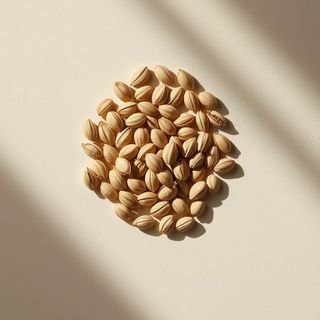
Despite their modest appearance, sunflower seeds represent a powerhouse of bioactive compounds that contribute substantively to overall well-being. Their nutritional significance was formally acknowledged through inclusion in the *2017 Updated Healthy Eating Pyramid*, a guideline developed by nutritional scientists. Which demographic groups stand to benefit most from their consistent consumption? The answer emerges upon closer examination of their biochemical composition and functional properties—revealing why these unassuming seeds deserve a prominent place in health-conscious diets.
The properties of the sunflower
Sunflower protein contains a significant amount of protein (20 30%), fatty acids (about. 47%) including unsaturated fats (unsaturated and multicellular fats make up about. 90% of total fat) [1] and macronutrients. Protein is a building block, and the fiber has a regulatory function and prevents the formation of fats, whereas mono- and high-density fatty acid (approximately.47%), which reduces the concentration of total cholesterol, LDL cholesterol, and triglycerides, which significantly increases the level of cholesterol in the blood.
You have started reading a PRO article
You can preview the first chapter. To read the complete article and unlock all content, upgrade to a PRO account.