1 / 1
1 zdjęcie
498
Curcumin – Health Benefits
Curry
Curcumin
Orange
Health Benefits
Indian
Emilia Szymańska
Author
2026-09-25
Date
6 min. read
article.read_time
8
Chapters
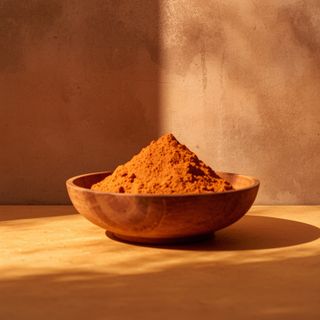
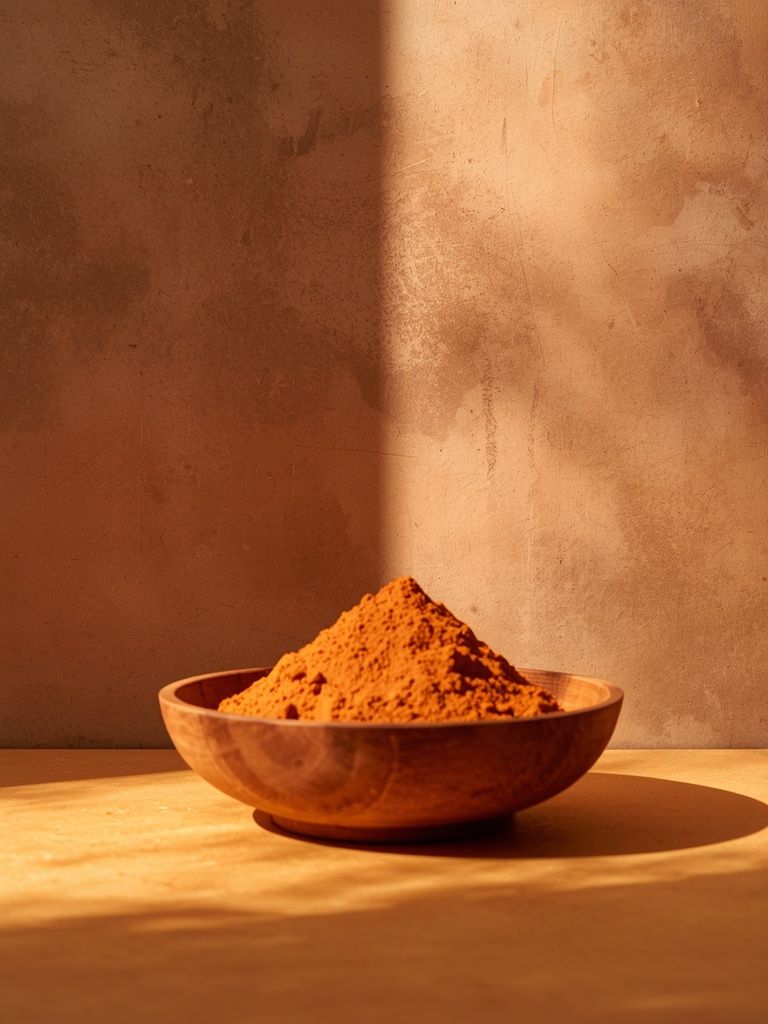
Curcumin, a plant-derived substance, is obtained from the rhizomes of long turmeric, also known as turmeric or Indian saffron. Its wide application is due to its broad biological activity and coloring and fragrance properties. In many countries, turmeric rhizomes are used as a spice to impart a characteristic orange-yellow color to food. Turmeric is also one of the popular components of curry. Is it worth including curcumin in the daily diet to benefit from its potential health benefits?
Long turmeric (*Curcuma longa*) and its bioactive compound curcumin: a comprehensive review of properties and evidence-based insights
The rhizome of *Curcuma longa* (commonly known as turmeric) serves as a nutrient-dense resource, providing approximately 390 kilocalories per 100 grams, with carbohydrates—primarily starch—comprising roughly 70% of its composition. It also contains 6% protein and 5% fat, alongside essential minerals such as calcium, iron, sodium, and potassium. Additionally, this quantity includes 50 milligrams of ascorbic acid (vitamin C), 0.09 milligrams of thiamine (vitamin B₁), 0.19 milligrams of riboflavin (vitamin B₂), and 4.8 milligrams of niacin (vitamin B₃), as documented by Jabczyk et al. (2021). The most biologically active compounds in turmeric are polyphenolic curcuminoids, which include curcumin, bisdemethoxycurcumin, cyclocurcumin, and demethoxycurcumin. The primary cultivators of turmeric rhizomes are China and India, where the plant has been integral to traditional medicine for centuries. Curcumin, the principal bioactive constituent, was first isolated in 1815, though its spatial structure was not elucidated until 1910 by Polish chemists. However, its concentration in raw turmeric ranges merely between 0.3% and 5.4%, and its bioavailability is notably low due to poor intestinal absorption and rapid hepatic metabolism, often resulting in plasma levels below 1 micromole. For therapeutic applications, supplements with enhanced bioavailability—up to 2000% greater than natural forms—are utilized, frequently fortified with piperine, metal ion complexes (Zn²⁺, Cu²⁺, Mg²⁺), or albumins. In regions with high consumption, such as India, daily turmeric intake may reach 2.0–2.5 grams (equivalent to roughly 100 mg of curcumin). The acceptable daily intake (ADI) established in 2004 is 0–3 mg/kg body weight (maximum 250–320 mg). Short-term studies have demonstrated that a daily dose of 8000 mg curcumin produced no adverse effects, whereas 12,000 mg induced side effects such as diarrhea, rash, headaches, and yellow stool discoloration. Long-term research is imperative to assess the health impacts of high-dose curcumin supplementation (Terlikowska et al., 2014).
You have started reading a PRO article
You can preview the first chapter. To read the complete article and unlock all content, upgrade to a PRO account.