Influence of Fermented Products on Health

Olivia Davis
2026-03-15
7 min. read

1 / 1
6
views
1 zdjęcie
Traditional Polish cuisine has been rich in recipes for fermented products and plum dishes for many years. Typically, these processes are utilized to prolong the shelf life of food products and to diversify their taste. Nevertheless, not everyone is aware that fermentation and pickling can also contribute to the preparation of healthier food.
Fermentation as a fundamental biochemical process: definition, mechanisms, and industrial applications
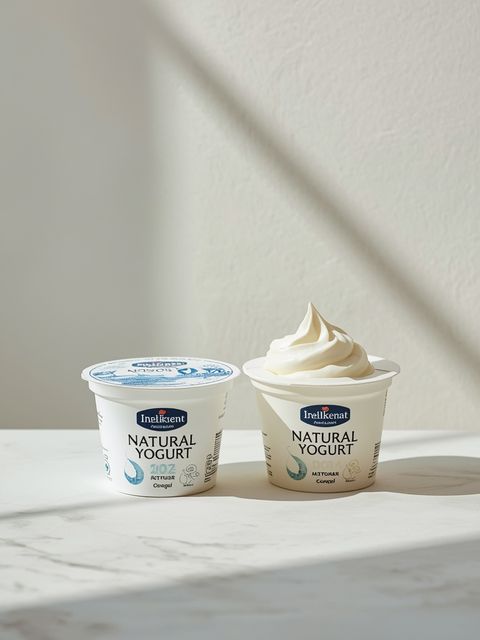
Fermentation constitutes a sophisticated metabolic process wherein microorganisms—primarily bacteria and yeasts—alongside the enzymes they synthesize, facilitate the biochemical transformation of organic substrates. This process encompasses a diverse array of reactions, several of which are extensively employed within the food industry to achieve desired physicochemical and sensory attributes in final products, as well as to extend the shelf life of perishable raw materials such as vegetables and fruits. Among the most prominent varieties are **alcoholic fermentation**, which enables the production of spirituous beverages, and **lactic acid fermentation**, which underpins the manufacture of fermented dairy products including yogurt, kefir, and buttermilk. Both reactions occur exclusively under anaerobic conditions, a defining characteristic of their biochemical pathways. Fermentation technology, with roots spanning millennia, remains indispensable to the food sector, facilitating the creation of products distinguished by unique flavor, aroma, and texture profiles. The most recognizable fermented commodities are alcoholic beverages, whose production relies on yeast strains such as *Saccharomyces cerevisiae* to metabolize simple sugars (e.g., fructose or glucose) derived from fruits or refined table sugar. It is noteworthy that products of alcoholic fermentation inherently contain low ethanol concentrations; substantial enrichment is achievable only through distillation—a separation process leveraging differential boiling points of constituent compounds. Despite the limited nutritional value of alcohol, its consumption persists at consistently high levels, largely attributable to its psychoactive effects on the human body. However, excessive intake of high-proof beverages poses significant risks, including multiorgan damage and metabolic dysfunction. Additionally, ethanol exhibits a high caloric density—1 gram yields 7 kilocalories—rendering it a substantial energy source within dietary contexts.
You have started reading a PRO article
You can preview the first chapter. To read the complete article and unlock all content, upgrade to a PRO account.