Energy Shake for Breakfast or Before Training – Recipes

David Janitzek
2026-03-15
6 min. read

1 / 1
10
views
1 zdjęcie
Recently, the consumption of cocktails in Poland has gained significant popularity. In stores, you can find fascinating cups and straw jars, which are excellent for storing homemade drinks. Some enjoy drinking an energy cocktail instead of a morning meal, while others prefer it before or after physical exertion... Regardless of the occasion, cocktails offer an interesting alternative to traditional meals and snacks.
Nutrient-dense high-calorie energy blend
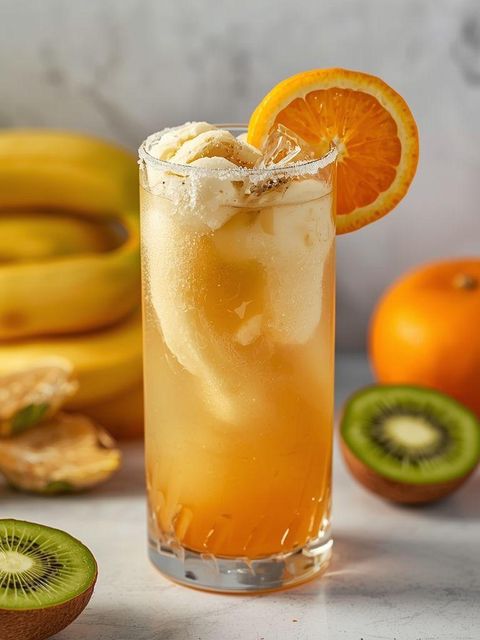
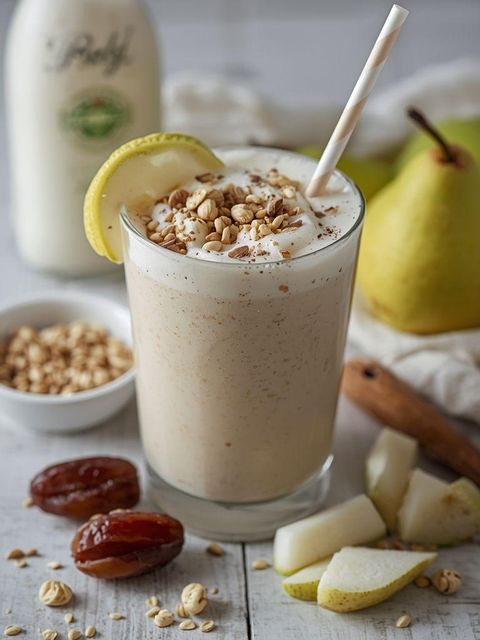
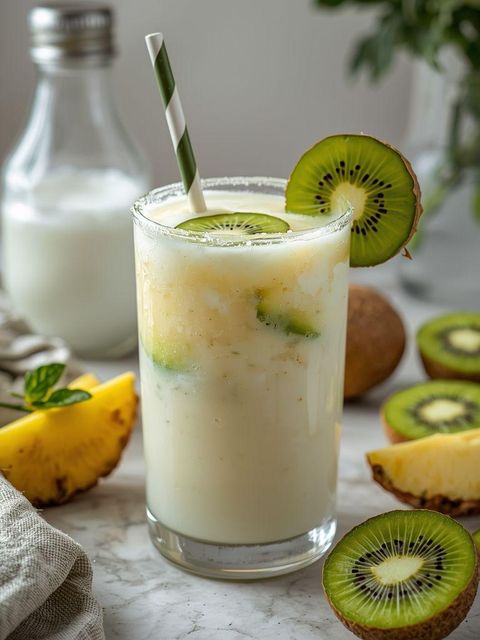
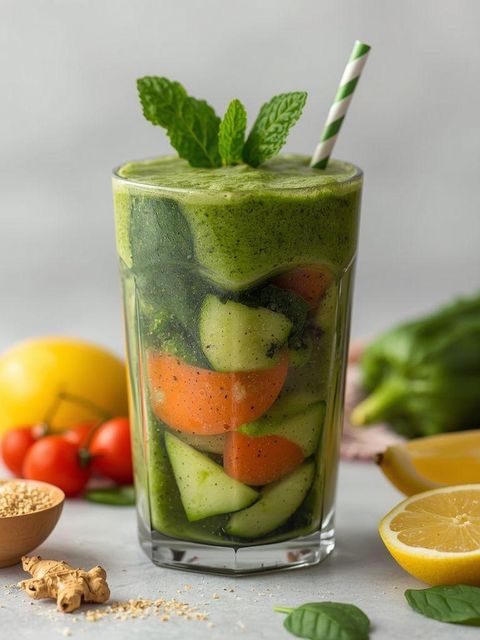
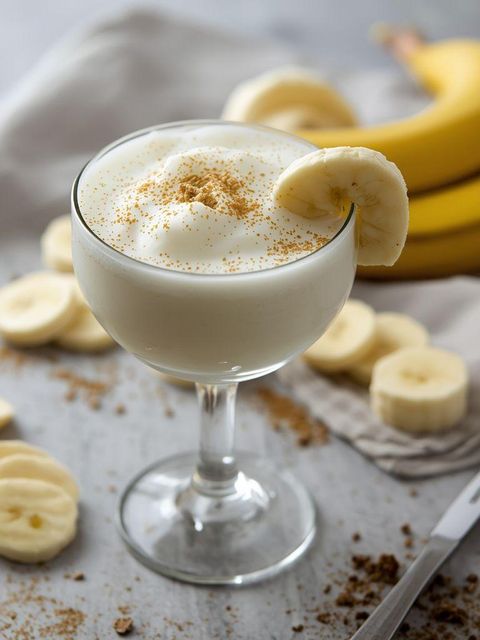
Nutrient-dense liquid meals with a creamy yet fluid texture represent a contemporary alternative to conventional dishes, distinguished by their adaptable consistency determined by the selected ingredients. These nutritional compositions typically manifest as thick, semi-liquid blends prepared from fresh seasonal or deep-frozen fruits and vegetables, enriched with dairy or plant-based products—such as whole animal milk, cultured yogurt beverages, kefir, buttermilk, or their vegan equivalents. Essential components also include whole-grain elements like rolled oats, intact grain groats, wheat bran, or rye bran. To enhance both caloric density and nutritional profile, healthy fat sources can be incorporated: walnuts, almonds, pumpkin seeds, flaxseeds, natural nut butters, and avocados. Individuals following high-protein regimens may further augment the blend with cottage cheese, farmer’s cheese, or whey protein isolates. Of particular importance is flavor enhancement, where aromatic spices prove exceptional: ground Ceylon cinnamon, fresh ginger root, turmeric powder, cardamom pods, as well as high-theobromine cocoa, carob flour, or dark chocolate with minimal sugar content. Superfood enthusiasts frequently incorporate additions such as chlorella algae powder, spirulina, or pulverized Peruvian maca root. The preparation process remains remarkably straightforward, requiring no advanced culinary skills—simply thorough washing and peeling of ingredients (where necessary), followed by blending in a high-performance processor until a smooth, homogeneous texture is achieved. These preparations enjoy particular popularity during spring and summer months, when the availability of fresh, locally sourced produce peaks, enabling unique flavor combinations. During colder seasons, frozen fruits—which retain most of their nutritional properties—serve as an excellent substitute. A definitive advantage of these blends lies in their elevated caloric content, derived from cereal and plant-based fat inclusions, rendering them suitable as a complete breakfast replacement. However, it is critical to note that due to the mechanical disruption of cellular structures during blending, these beverages exhibit a high glycemic index and rapid digestibility. Consequently, individuals with carbohydrate metabolism disorders—such as type 2 diabetes or insulin resistance—should consume them judiciously. Conversely, they represent an optimal solution for underweight children, elderly individuals with reduced appetite, and athletes requiring rapid energy replenishment.
You have started reading a PRO article
You can preview the first chapter. To read the complete article and unlock all content, upgrade to a PRO account.