Basil – Characteristics, Uses, and Storage Methods

Kacper Nowak
2026-03-25
6 min. read

1 / 1
30
views
1 zdjęcie
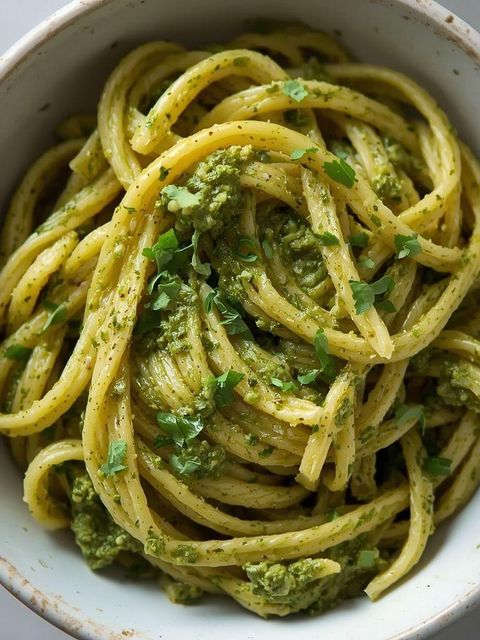
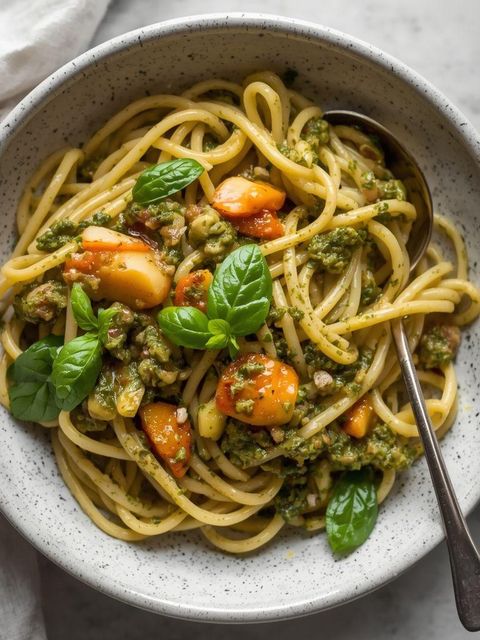
Ocimum basilicum, commonly referred to as basil, is a widely recognized and used plant, primarily in the gastronomic industry. It primarily serves the purpose of imparting unique flavors and fragrances to our dishes and beverages. It also serves as a fundamental ingredient in some dishes, such as pesto sauce. Basil is a key component of Mediterranean cuisine. It can be added to both sweet and savory dishes. Few individuals are aware that this plant is not only delicious, but also possesses numerous valuable medicinal properties.
Sweet basil and its cultivated varieties – botanical characteristics and chemical composition
Sweet basil (*Ocimum basilicum*) is an annual herbaceous plant that exists solely under cultivated conditions, with no wild populations documented. Within Polish agricultural practices, the most widely recognized cultivars include common green basil, purple basil (distinguished by its deep reddish foliage), Greek basil (characterized by small, highly aromatic leaves), cinnamon basil (noted for its spicy-sweet flavor profile), and lemon basil (exhibiting pronounced citrus-like fragrance). The olfactory distinctions among these varieties arise from both qualitative and quantitative variations in their essential oil compositions. The sweet, clove-like scent characteristic of basil is attributable to eugenol—a phenolic compound identical to that found in clove buds (*Syzygium aromaticum*). Conversely, the citrusy aromatic notes derive from the presence of citral and limonene. In culinary taxonomy, basil is classified alongside rosemary (*Rosmarinus officinalis*), thyme (*Thymus vulgaris*), sage (*Salvia officinalis*), peppermint (*Mentha × piperita*), summer savory (*Satureja hortensis*), oregano (*Origanum vulgare*), and marjoram (*Origanum majorana*) as one of the "herbes de Provence." Beyond its volatile oil fraction, basil leaves constitute a source of polyphenolic compounds (including tannins), mineral salts, and vitamins. Per 100 grams of fresh leaf material, the following nutritional values are documented: 264 micrograms of retinol (vitamin A), 3142 micrograms of β-carotene, 414.8 micrograms of phylloquinone (vitamin K1), 18 milligrams of ascorbic acid (vitamin C), trace amounts of B-complex vitamins, 177 milligrams of calcium, 3.17 milligrams of iron, 64 milligrams of magnesium, and 1.148 milligrams of manganese.
You have started reading a PRO article
You can preview the first chapter. To read the complete article and unlock all content, upgrade to a PRO account.
Tags