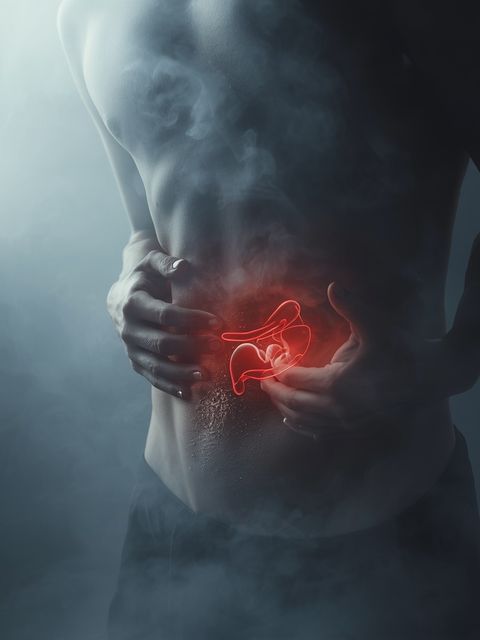
Abdominal Distension – Genesis, Symptoms, Diagnosis, and Therapy

Tomasz Jankowski
2026-03-24
6 min. read

1 / 1
4
views
1 zdjęcie
Abdominal distension, along with abdominal pain and constipation, is one of the most common disorders of the digestive system. It is so prevalent that few people seek specialist examination for it. Regrettably, it is marked by very distressing symptoms such as pressure in the abdomen, abdominal bloating, and gas expulsion. Nevertheless, it is a disorder that is generally very easy to cure, with which most individuals can manage even at home. Slight dietary modifications can bring about the first beneficial changes. Naturally, there are also individuals for whom the occurrence of abdominal distension may be linked to the presence of other diseases, in which case specialist consultation is necessary.
Understanding abdominal bloating: definitions and underlying mechanisms
Abdominal bloating represents a widely reported gastrointestinal concern characterized by the excessive accumulation of gas within the digestive tract, particularly the intestines. Epidemiological data suggest that this condition affects approximately 10 to 30 percent of the adult population, with a notable predisposition observed in women—especially during the menstrual cycle. Symptoms frequently intensify following meal consumption, though a substantial proportion of individuals do not exhibit a visibly distended abdominal circumference. Under normal physiological conditions, the intestines of a healthy individual contain roughly 200 milliliters of gas, with daily production and expulsion totaling around 600 milliliters. The composition of intestinal gas includes methane, hydrogen, carbon dioxide, nitrogen, and trace amounts of hydrogen sulfide, ammonia, and volatile fatty acids, which arise from the neutralization of alkaline pancreatic juice as well as bacterial fermentation processes occurring within the lumen of the colon. Pathological bloating is clinically defined as an abnormal increase in gas volume within the stomach and intestines, often resulting in discomfort and digestive dysfunction.
You have started reading a PRO article
You can preview the first chapter. To read the complete article and unlock all content, upgrade to a PRO account.