2 Min. Lesezeit
Zusammensetzung und Eigenschaften von Vanillinzucker

Laura Schneider
✓
Diets Premium Experte • 24.09.2026
✓
Wissenschaftlich geprüft durch klinische Ernährungsberater:
Der Inhalt dieses Artikels wurde gemäß den medizinischen Standards von IŻŻ, WHO und PTGiP klinisch geprüft.
| Diets Premium Experte Laura Schneider | Min. Lesezeit 2 min | Wissenschaftlich geprüft durch klinische Ernährungsberater 24.09.2026 |
Audio-Sprecher
•Artikelinhalt live anhören
0:00
/
0:00
Wichtigste Fakten auf einen Blick
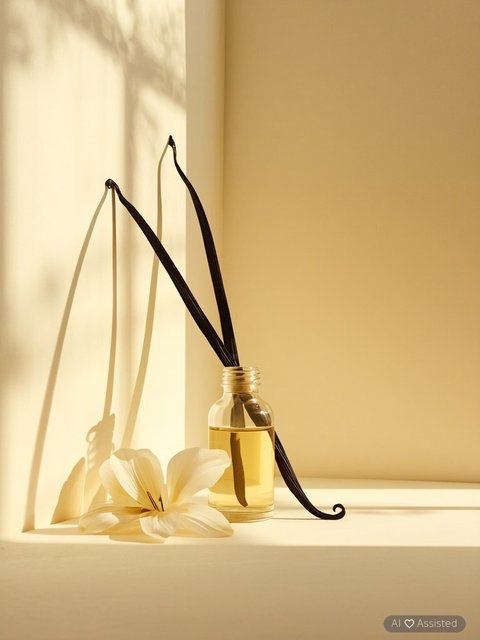
Vanille ist eine Pflanze mit vielen positiven Eigenschaften. Die Vanille-Blüte selbst gibt keinen Geruch ab. Das gesamte Aroma konzentriert sich in den Früchten, die die Form von Flaschen haben. Sie geben ihren Duft frei, wenn sie zerbrechen. Vanille wurde seit der zweiten Hälfte des 16. Jahrhunderts als Aroma-Zutat in Backwaren und anderen Gerichten verwendet.
Ernährungsplan
Möchten Sie diese Richtlinien in Ihrer täglichen Ernährung umsetzen?
Unser intelligenter Diät-Generator erstellt in 3 Minuten einen maßgeschneiderten Speiseplan basierend auf diesen Empfehlungen.
Genuine vanilla-infused sugar and its synthetic counterparts in the food industry
The product commonly referred to as vanilla sugar is, according to established quality standards, required to contain a minimum of 27% extract derived from natural vanilla pods. Nevertheless, the market is predominantly occupied by what is known as vanillin sugar—a functionally equivalent substitute manufactured using synthetic vanillin, which constitutes the primary aromatic compound found in natural vanilla. This alternative proves far more cost-effective, as the extraction of pure vanillin from the seeds of *Vanilla planifolia* entails disproportionately high production expenses. Notably, contemporary biotechnological advancements have enabled the synthesis of vanillin through the utilization of specifically selected bacterial strains, including *Corynebacterium* and *Pseudomonas*. Furthermore, research conducted by Japanese scientists has demonstrated that this valuable chemical compound can also be isolated from bovine feces—though, for evident hygienic and societal reasons, this method has not gained traction in industrial practice. An even more potent aromatic profile is exhibited by ethylvanillin, another synthetic derivative that has achieved widespread adoption in the food industry owing to its exceptional flavor-enhancing properties.
Compositional breakdown of vanilla sugar: what lies within this common pantry staple?
Upon examining the label of a conventional vanilla sugar package, one typically encounters only a concise declaration: "Ingredients: sugar, synthetic vanillin (ethyl vanillin)". It is uncommon for manufacturers to enhance the product with genuine vanilla bean extract—a choice that, considering production costs, comes as little surprise. While vanillin, as a chemical compound, may induce irritant reactions on skin or mucous membranes under specific conditions, the trace amounts present in pre-mixed formulations pose no substantive health risk. Nevertheless, to achieve the depth of aroma that will elevate the character of homemade baked goods, it is advisable to consider preparing this staple independently, utilizing authentic, dried vanilla pods that ensure an unparalleled sensory experience.
Homemade method for preparing fragrant vanilla sugar from natural pods
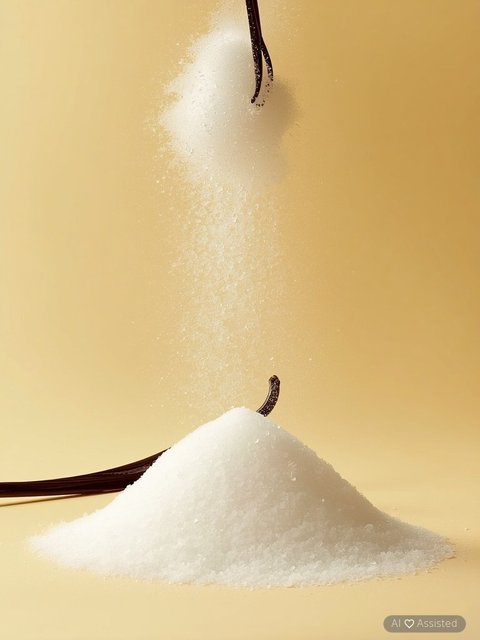
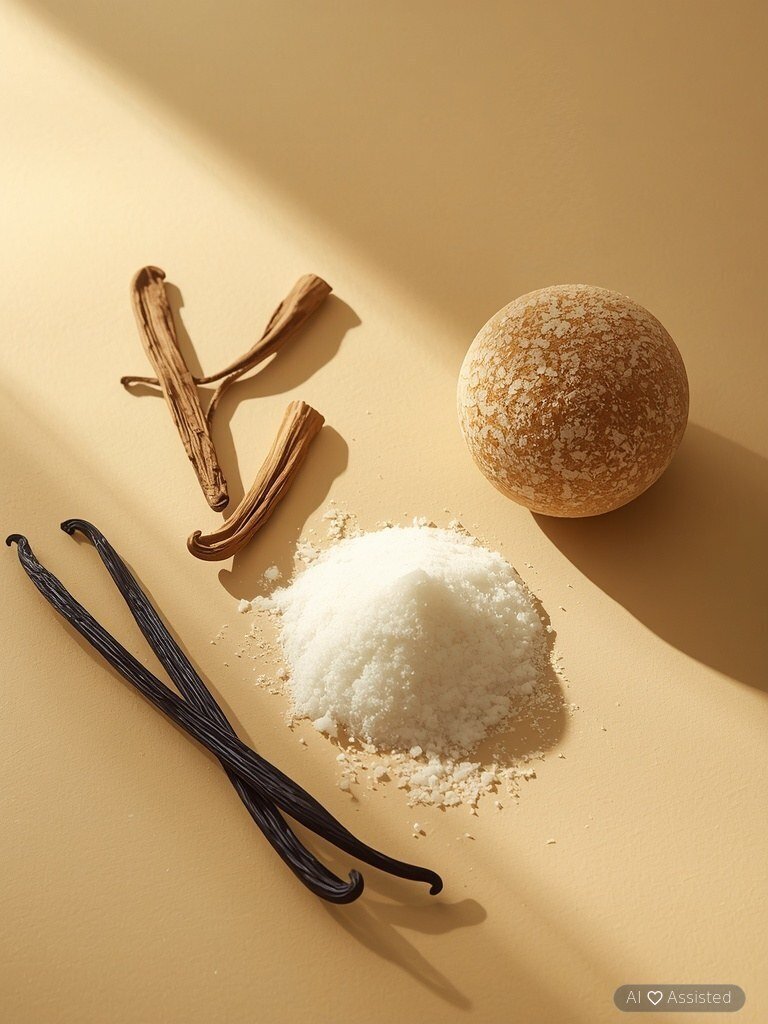
To create an exquisite, naturally infused vanilla sugar, a single vanilla pod is sufficient for approximately 500 milliliters of fine granulated sugar. The process begins with carefully slicing the pod lengthwise, followed by meticulously scraping out the tiny seeds and thoroughly blending them into the sugar. The emptied pod itself should be cut into smaller segments and incorporated into the mixture as well, further enhancing the final aromatic profile. The entire preparation must then be stored in an airtight container for roughly two weeks—this duration is critical to allow the full spectrum of vanilla’s fragrance to develop. While this approach is undeniably more costly than using synthetic vanillin, the disparity in flavor depth and olfactory richness is unparalleled. Industry connoisseurs consistently highlight that the finest-quality vanilla originates from the cultivated regions of Madagascar and Mexico, where the climate fosters optimal growing conditions. Nevertheless, even this premium vanilla sugar remains fundamentally a source of empty calories—its consumption offers no nutritional benefits, and excessive sugar intake in any form may pose health risks. Therefore, despite its exceptional taste, it should be regarded as an occasional indulgence rather than a dietary staple.

Laura Schneider
✓Diets Premium Experte
Experte im Team von Diets Premium. Spezialisiert auf Ernährungspläne, Kraftsport und Trainingspläne.
Profil ansehen →