1 / 1
1 zdjęcie
365
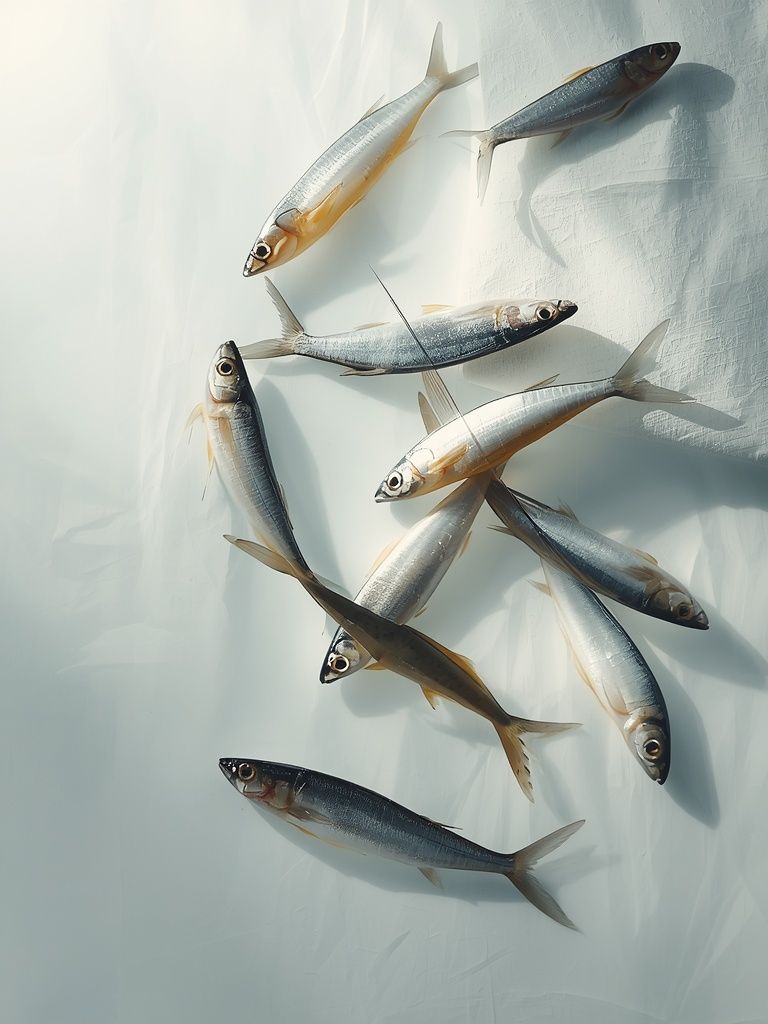
Anchois – kleine Fische, Sardinen ähnlich
Verarbeitete Snacks
Verarbeitete Lebensmittel
Fisch
Europäisch
Ernährung Mit Wenig Verarbeiteten Lebensmitteln
Snacks
Verarbeitungsarme Ernährung
Verarbeitete Fischprodukte
Mediterran
Sardinen
Kacper Nowak
Autor
2026-09-25
Datum
2 Min. Lesezeit
article.read_time
3
Kapitel
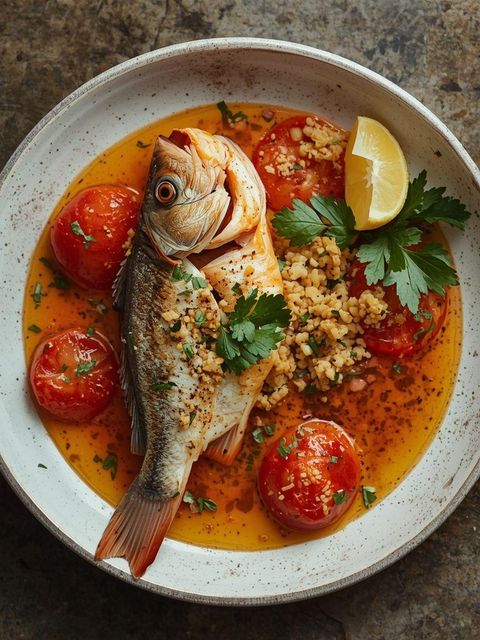
Die europäische Sardelle, auch bekannt als Anchois, ist ein sehr kleiner Fisch mit einem langgestreckten Körperbau. Sie gehört zu den fettigen Meeresfischen der Familie Sardelowatte, hauptsächlich aufgrund ihrer Ähnlichkeit mit Sardinen sowohl in Aussehen als auch Größe. Die europäische Sardelle lebt in den warmen Gewässern des Mittelmeeres, des Schwarzen Meeres und des Atlantischen Ozeans. Verarbeitete Produkte aus dieser Fischart, wie zum Beispiel französische Snacks, sind sehr charakteristisch in Geschmack und Geruch.
Nutritional composition and health attributes of anchovies: vitamin and mineral profile alongside dietary benefits and considerations
Anchovies, a processed product derived from oily marine fish of the Engraulidae family, represent a concentrated source of biologically active omega-3 fatty acids—including eicosapentaenoic acid (EPA) and docosahexaenoic acid (DHA)—as well as monounsaturated and polyunsaturated fatty acids, all of which contribute to cardiovascular protection and the modulation of inflammatory pathways. The protein matrix in anchovy flesh is distinguished by its complete essential amino acid profile and exceptional digestibility, rendering it a high-value dietary component for tissue repair, enzyme production, and metabolic regulation. Owing to their position at the lower end of the marine food chain, anchovies accumulate substantially lower concentrations of heavy metals such as mercury compared to larger predatory fish species, thereby making them a safer seafood option for vulnerable populations, including pregnant women and developing children. Additionally, anchovy-based products provide significant quantities of calcium, which is critical for skeletal integrity and bone mineralization, alongside magnesium, a mineral pivotal for neuromuscular conduction and vascular tone regulation. However, it is imperative to note that anchovies are typically preserved with high sodium chloride content, posing a potential health risk for individuals with diagnosed hypertension or those prone to electrolyte imbalances. Chronic consumption of high-sodium foods has been linked to elevated plasma sodium levels, which may exacerbate hypertensive conditions and impose additional strain on renal excretion mechanisms over time.
Does anchois actually contribute meaningful calories? A detailed nutritional breakdown
A 100-gram serving of anchois fillets provides approximately 210 kilocalories, representing a moderately low energy density. Notably, this fish is distinguished by its exceptional protein content—29 grams of complete protein—alongside a modest yet nutritionally relevant fat content of 9.7 grams, including beneficial omega-3 fatty acids.
Anchovies – culinary applications and nutritional benefits
These strongly flavored, salty fish serve as an excellent culinary enhancement in modest amounts, complementing dishes such as pizza, casseroles, or olive oil-based pasta sauces. They can also be incorporated into homemade spreads for bread, including the classic tapenade—a thick olive-based paste. Anchovies work equally well in Italian-style salads, such as Caesar salad, or as a flavorful addition to meat stuffings. As a sardine-based snack, they provide beneficial fatty acids, including essential omega-3 nutrients. However, due to their high sodium content, they should be used sparingly.
Tags