Whole-grain pasta – nutritional values, fiber, low glycemic index, and role in a weight-loss diet
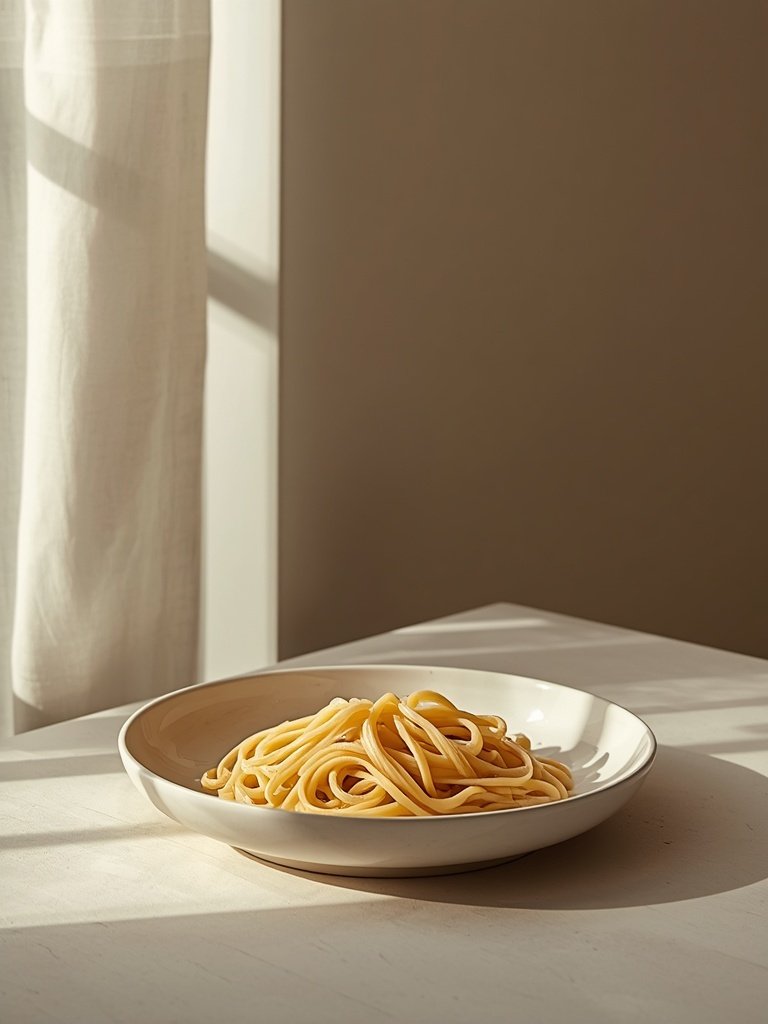

Table of Contents 3
Medical & Editorial Disclaimer (§3 Terms): This article is for informational and educational purposes only, does not constitute medical advice, diagnosis, or treatment, and is used at your own risk. Consult a qualified physician for medical conditions.
The physiological benefits are rooted in the complex carbohydrate structure, which facilitates a more gradual release of energy compared to refined alternatives. When prepared al dente, the integrity of the starch-protein matrix is preserved, which slows down enzymatic digestion and helps maintain stable blood glucose levels. This mechanism is instrumental in promoting prolonged satiety and preventing the rapid insulin spikes often associated with highly processed grains.
To integrate whole-grain pasta effectively into a healthy lifestyle, focus on balancing the plate with lean protein sources and an abundance of fiber-rich vegetables. Replacing heavy, calorie-dense cream sauces with fresh tomato-based options, aromatic herbs, and high-quality oils enhances the overall nutrient profile of the meal. This approach ensures a satisfying dining experience that aligns with long-term wellness and weight management goals.
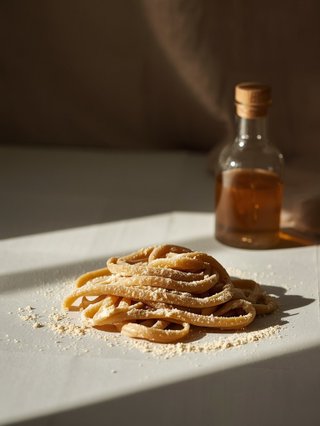
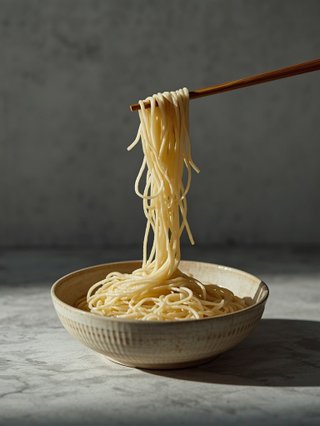
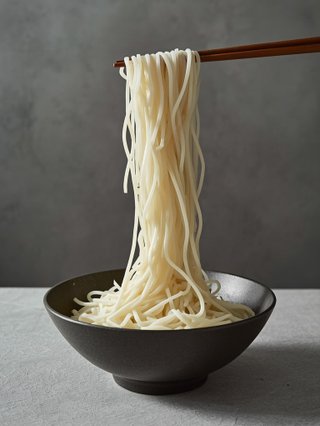
Whole-grain pasta, crafted from whole durum semolina or ancient unrefined grains, represents one of the most metabolically advantageous complex carbohydrate staples in human nutrition. Retaining the fibrous bran and nutrient-dense germ layers, it yields 8 to 10 g of dietary fiber per 100 g, rich B-vitamins, iron, and magnesium. Cooked al dente, it exhibits a modest glycemic index (GI = 35–45), stabilizing insulin responses and promoting protracted satiety during weight management.
Nutritional Value of Whole-Grain Pasta – Vitamins, Minerals, and Fiber
The nutritional gulf between whole-grain and refined white pasta is profound:
- Dietary fiber density – whole-grain pasta delivers over triple the fiber (8–10 g/100 g) of refined pasta (2.5 g/100 g), fueling short-chain fatty acid gut synthesis.
- Magnesium and zinc – a single standard serving supplies >25% of the adult daily magnesium requirement for neurological stability.
- Iron and phosphorus – fundamental for erythropoiesis and musculoskeletal integrity.
- B-complex vitamins – generous thiamine, niacin, and folate support mitochondrial energy metabolism.
Caloric Content, Glycemic Index, and the Science of Al Dente Cooking
Cooking methodology directly dictates postprandial glucose dynamics:
- Caloric density – dry whole-grain pasta provides 330–350 kcal/100 g; upon boiling, hydration expands mass more than twofold, reducing cooked caloric density to 140–150 kcal/100 g with under 1.5 g fat.
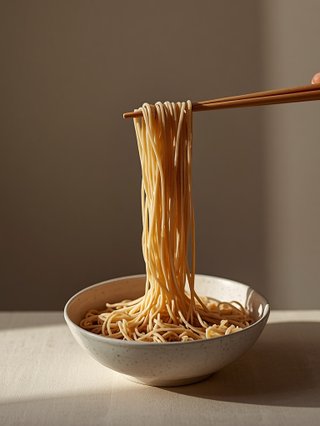
- The al dente starch-protein matrix – cooking pasta al dente preserves a compact gluten network encapsulating starch granules, decelerating alpha-amylase digestion (GI ~35–40). Overcooking breaks this matrix, triggering rapid enzymatic hydrolysis and surging the glycemic index above 60.
Whole-Grain Pasta in Weight Loss Diets – Optimal Pairings for Satiety
Whole-grain pasta is an outstanding asset during fat-loss programs when paired thoughtfully:
- Plate balancing formula – pair 50 g dry pasta (~120 g cooked) with lean protein (skinless chicken breast, wild shrimp, organic tofu) and abundant fiber-rich vegetables (zucchini, tomatoes, baby spinach, broccoli).
- Avoid heavy cream sauces – substitute high-calorie heavy cream sauces with fresh tomato passata, garlic, fresh basil, and extra virgin olive oil to maintain optimal nutrient density.
Want to apply these guidelines in your daily diet?
Our smart diet generator creates a tailored meal plan in 3 minutes based on the recommendations in this article.

Isabella Taylor
• 25.11.2026Diets Premium Expert
Diets Premium team expert. Specializes in nutrition plans, strength sports, and training plans.