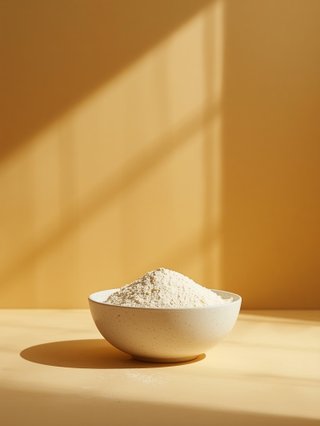
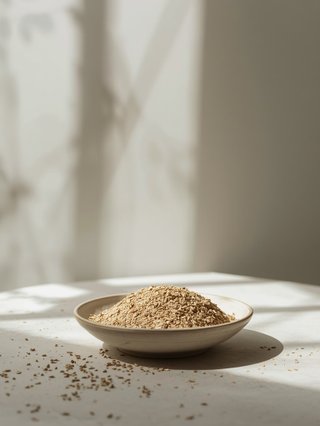
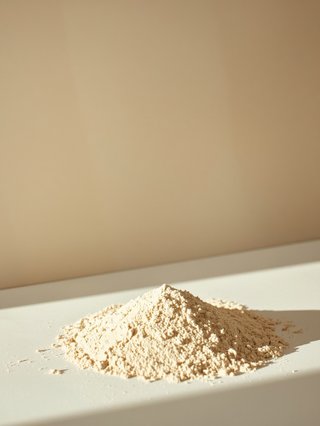
Spelt flour – a traditional product from the oldest wheat variety with unique nutritional properties
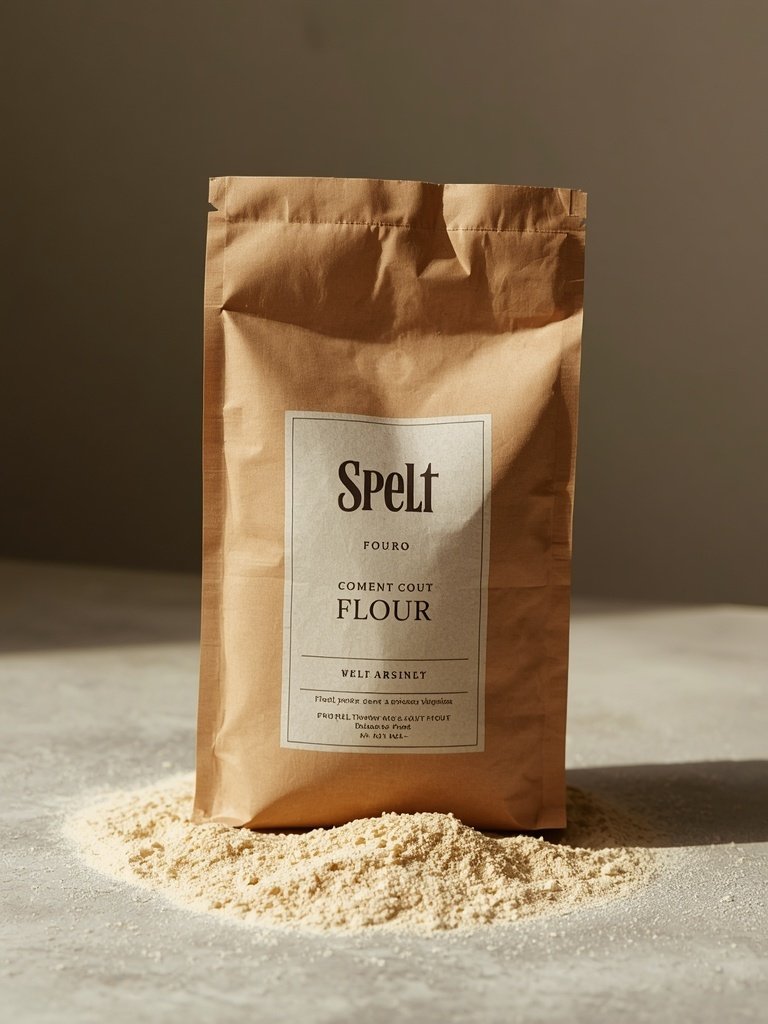
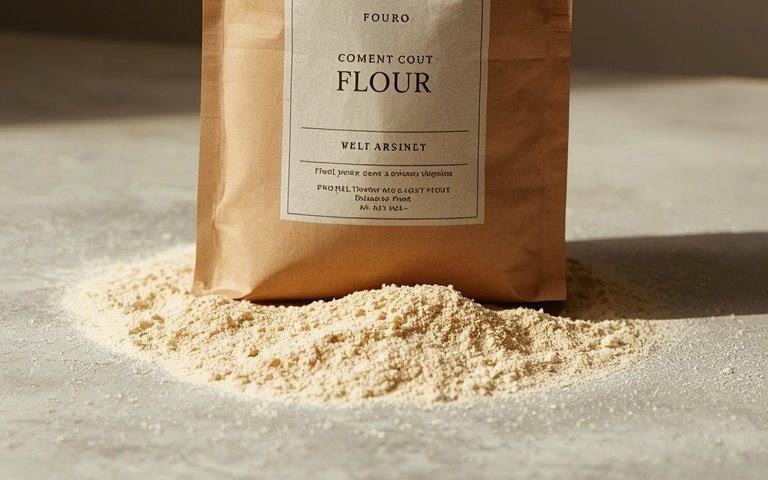
Table of Contents 3
Medical & Editorial Disclaimer (§3 Terms): This article is for informational and educational purposes only, does not constitute medical advice, diagnosis, or treatment, and is used at your own risk. Consult a qualified physician for medical conditions.
The nutritional architecture of spelt is defined by its superior protein quality and a robust concentration of essential minerals and vitamins. Its molecular characteristics, particularly the specific composition of its gluten proteins, often allow for better gastrointestinal tolerance compared to modern hybridized wheat. While it is not suitable for individuals with celiac disease or wheat allergies, many people find that the fragile gluten structure of spelt is more easily processed by the digestive system, contributing to a more comfortable culinary experience.
For practical daily use, selecting the appropriate grade of spelt flour is key to achieving the desired texture and nutritional outcome. Refined versions are ideal for delicate pastries and fresh pasta, whereas whole grain options provide a rustic profile perfect for artisanal breads. By incorporating these diverse types of spelt into your kitchen routine, you can enjoy the distinct benefits of this ancient grain while supporting a balanced and flavorful approach to home baking.
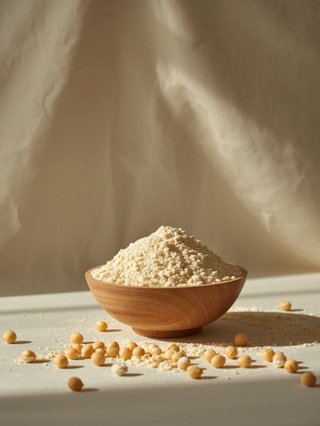
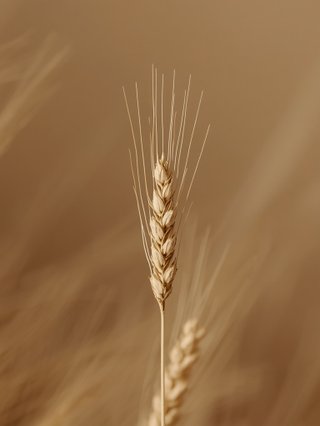
Spelt, recognized as the oldest and most primitive form of wheat, has been experiencing a surge in popularity among organic farmers in recent years. Its grains are distinguished by a characteristic rounded shape and a glassy, subtly milled texture, which sets them apart visually from modern cereal varieties. This plant demonstrates remarkable resilience to adverse environmental conditions, including varied climatic patterns and diverse soil types, making its cultivation relatively undemanding and accessible even to less experienced growers. Spelt is available in both spring and winter varieties, allowing for flexible adaptation of the growing cycle to local conditions. The production of spelt flour involves the precise grinding of grains into a fine powder or arises as a byproduct during the manufacture of high-quality spelt grits. Owing to the more intricate and time-consuming processing technology compared to conventional wheat flours, the final product commands a higher price point, reflecting its exceptional quality and nutritional value.
Nutritional architecture of spelt flour: protein quality, minerals, and vitamins
Spelt flour milled from the ancestral ancient grain Triticum spelta surpasses modernized hybridized common wheat in nutrient density. It delivers 20–30% higher total protein content with superior concentrations of essential lysine, methionine, and tryptophan.
It is rich in bioavailable minerals: magnesium, zinc, non-heme iron, and manganese, combined with complex B-vitamins (thiamine, niacin). Spelt notably provides natural rhodanide (thiocyanate), an endogenous antimicrobial compound supporting immune surveillance.
Molecular characteristics of spelt gluten and gastrointestinal tolerance
Spelt contains true gluten; therefore, it is strictly contraindicated in celiac disease and acute wheat allergies. However, its gluten polypeptide structure differs fundamentally from modern hexaploid wheat:
- A distinct gliadin-to-glutenin ratio renders spelt gluten significantly more fragile, water-soluble, and rapidly cleaved by human gastric proteases.
- Consequently, individuals presenting non-celiac gluten/wheat sensitivity (NCGS) or irritable bowel syndrome frequently tolerate traditional sourdough-fermented spelt bread without inflammatory gastrointestinal distress.
Spelt flour classification (type 630 to 2000) and culinary gastronomy
Spelt flour is graded by mineral ash content and extraction rate:
- Type 630 (Refined White): Equivalent to light pastry wheat flour. Yields exceptional light pancakes, delicate cakes, and homemade fresh pasta.
- Type 1050 (Medium Bread Flour): Exhibits a rustic hue and balanced fiber profile; the benchmark choice for artisanal hearth loaves and sourdough boules.
- Type 2000 (Whole Grain / Graham): Contains the entire intact grain (endosperm, germ, bran). Delivers the highest dietary fiber and lowest glycemic load.
Baking tip: Due to the fragility of spelt gluten strands, dough requires gentler and shorter kneading cycles compared to industrial wheat to prevent overworking.
Want to apply these guidelines in your daily diet?
Our smart diet generator creates a tailored meal plan in 3 minutes based on the recommendations in this article.

mgr Tomasz Jankowski
• 25.11.2026Diets Premium Expert
Diets Premium team expert. Specializes in nutrition plans, strength sports, and training plans.