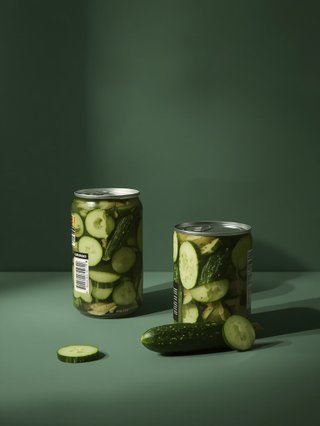
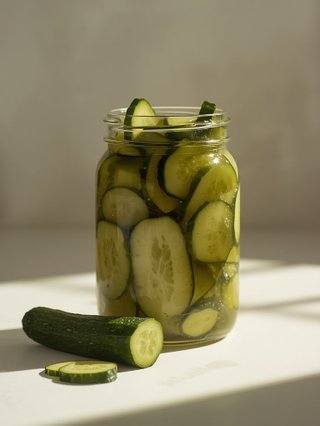
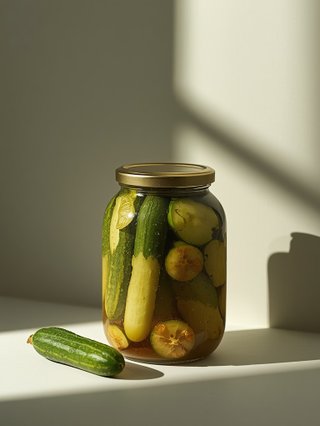
Pickled cucumbers: nutritional values, vitamin composition, and the key to the perfect homemade recipe
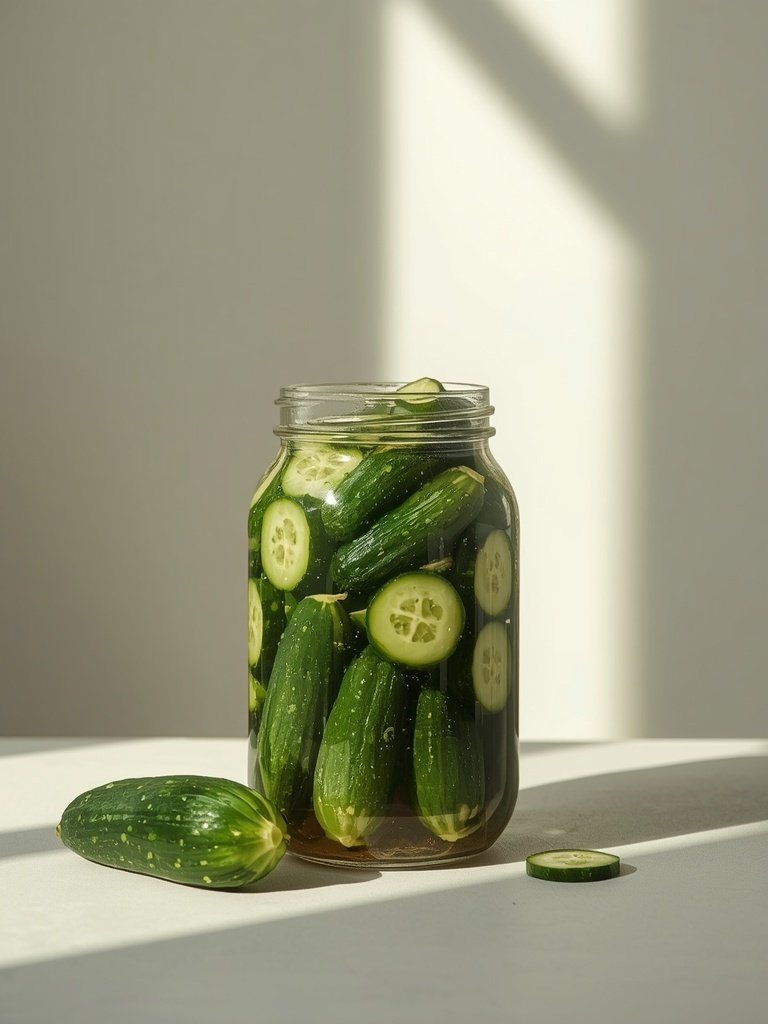
Table of Contents 4
Medical & Editorial Disclaimer (§3 Terms): This article is for informational and educational purposes only, does not constitute medical advice, diagnosis, or treatment, and is used at your own risk. Consult a qualified physician for medical conditions.
The physiological benefits are driven by the activity of beneficial bacterial strains that thrive during the fermentation process, creating an acidic environment that inhibits the growth of unwanted pathogens. These live probiotic cultures help maintain the integrity of the intestinal lining and support efficient digestion. Furthermore, the fermentation process preserves essential vitamins and bioavailable minerals, which assist in metabolic regulation and help restore electrolyte balance, making these pickles a nutrient-dense addition to any meal.
To achieve the best results when preparing pickles at home, it is vital to use fresh pickling cucumbers and a precise balance of non-iodized rock salt and water. Incorporating traditional aromatics such as garlic, horseradish, and dill umbels not only enhances the flavor profile but also contributes natural tannins that ensure a crisp texture. By integrating these homemade, unpasteurized pickles into your daily routine, you can enjoy a simple, effective way to support your digestive health and enrich your diet with bioactive compounds derived from time-honored culinary methods.
Lacto-fermented sour pickles stand as an undisputed icon of traditional Eastern European and Slavic culinary heritage. The spontaneous fermentation process not only preserves harvest-fresh cucumbers, but fundamentally elevates them into a functional probiotic superfood. Boasting minimal caloric density, bioactive lactic acid, essential vitamins, and minerals, naturally fermented pickles fortify intestinal commensal microbiota and enhance systemic immunocompetence.
The science of fermentation: Lactic acid synthesis and probiotic ecology
Lacto-fermentation is an anaerobic biochemical cascade wherein naturally occurring lactic acid bacteria (principally Lactobacillus and Leuconostoc species) metabolize simple carbohydrates into organic lactic acid. The resulting acidic medium (pH drops below 4.0) inhibits putrefactive microorganisms and foodborne pathogens. These live probiotic consortia adhere to the epithelial mucosa, competitive exclude pathogens, stimulate protective mucin secretion, and tighten intestinal junctions.
Physiological health benefits and metabolic regulation
Sour pickles supply a meager 11–12 kcal per 100 g, presenting a virtually calorie-free, nutrient-dense snack. Lactic acid stimulates endogenous gastric juice secretion, optimizing dietary protein denaturation and non-heme iron absorption. Furthermore, fermentation metabolites improve peripheral insulin sensitivity, mitigate glycemic volatility, and assist in balancing lipid parameters. Soluble fiber compounds gently prompt colonic peristalsis, eliminating sluggish bowel habits.
Vitamin density and bioavailable mineral matrix
Contrary to widespread misconception, fermentation preserves and enriches micronutrient density. Lacto-pickles provide concentrated vitamin K (phylloquinone), crucial for blood clotting cascades and bone osteocalcin carboxylation. They deliver vitamin C, B-complex vitamins (thiamine, riboflavin, pyridoxine), potassium, magnesium, and bioavailable sodium. Unpasteurized pickle brine functions as an organic electrolyte drink, rapidly restoring intra- and extracellular hydration following heavy sweat losses.
Mastering the traditional homemade pickle recipe: Brine ratios and aromatics
The secret to achieving crisp, long-lasting pickles lies in selecting small, freshly picked pickling cucumbers and balancing the brine: exactly 1 rounded tablespoon of non-iodized rock salt per 1 liter of boiled water (a 2–2.5% saline concentration). Layer sterilized ceramic crocks or glass jars with mature dill umbels, peeled garlic cloves, fresh horseradish root (which imparts crunch and antimicrobial allyl isothiocyanates), and oak, cherry, or horseradish leaves rich in tannins. Pack the cucumbers tightly upright and submerge them completely in the brine.
Want to apply these guidelines in your daily diet?
Our smart diet generator creates a tailored meal plan in 3 minutes based on the recommendations in this article.
Tags

Oliwia Kaczmarek
• 25.11.2026Diets Premium Expert
Diets Premium team expert. Specializes in nutrition plans, strength sports, and training plans.