Millet – nutritional values, disadvantages, uses and recipes
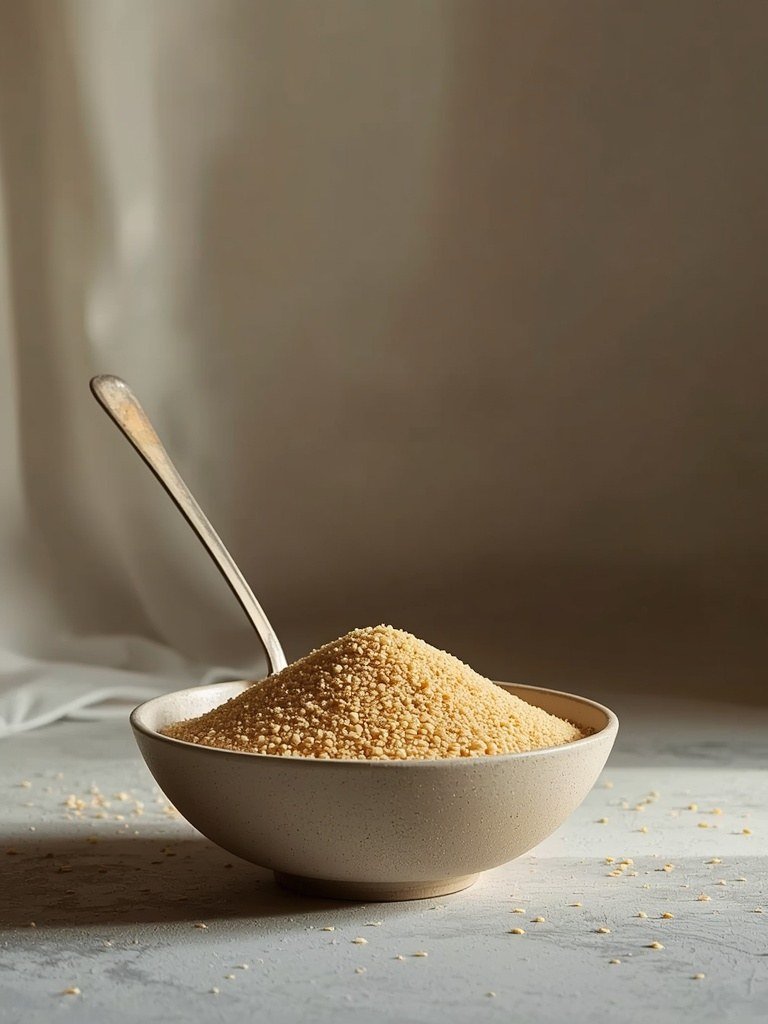
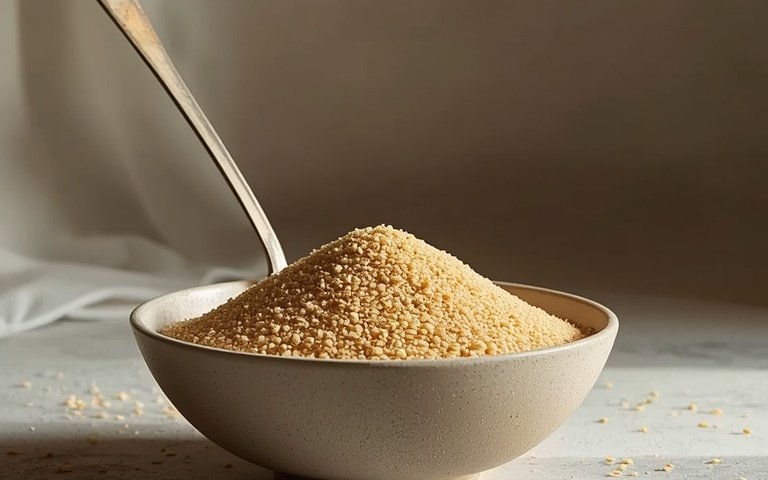
Table of Contents 5
Medical & Editorial Disclaimer (§3 Terms): This article is for informational and educational purposes only, does not constitute medical advice, diagnosis, or treatment, and is used at your own risk. Consult a qualified physician for medical conditions.
From a physiological perspective, millet provides an abundant supply of complex carbohydrates for sustained energy, complemented by easily digestible plant-based protein, unsaturated fatty acids, and dietary fiber that supports healthy intestinal function. However, a notable limitation of millet porridge is its relatively elevated glycemic index. Consuming millet triggers a substantial rise in blood glucose levels compared to pure glucose, which represents an important dietary consideration for individuals managing blood sugar fluctuations or insulin sensitivity.
In everyday meal preparation, millet groats offer remarkable culinary versatility across both savory and sweet dishes. Cooking a larger batch streamlines kitchen work, allowing the grain to serve as a convenient foundation for wholesome vegan meals paired with vegetables and herbs, or as a comforting breakfast porridge. For an energy-dense morning meal that balances carbohydrates with fats and micronutrients, millet can be simmered in water and dairy or plant-based milk, then enriched with raisins, pumpkin seeds, sunflower seeds, pure cocoa powder, a touch of butter, warming spices such as cinnamon, cardamom, and nutmeg, and an optional drizzle of raw honey.
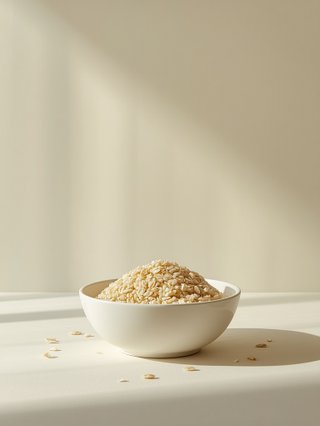
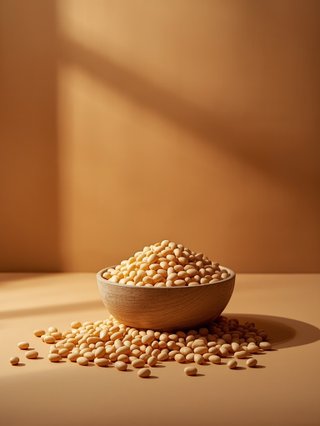
Millet groats – a nutrient-dense ancient grain prepared from dehulled proso millet seeds
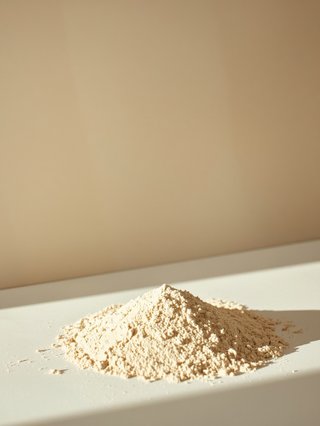
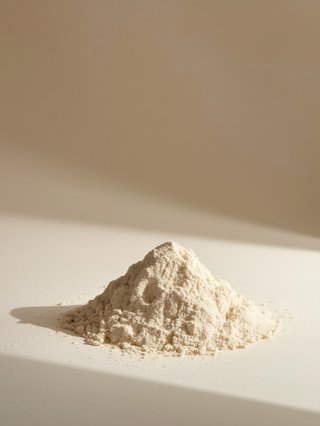
Millet groats are derived from dehulled proso millet seeds, a cereal originally cultivated in what is now China during the Neolithic period before gradually spreading across Asia and into Europe. While its popularity surged across the European continent only in the latter half of the 20th century—particularly during the 1970s—its widespread adoption in Polish cuisine occurred even later, within the past few decades. Despite this delayed recognition of its merits, it has since gained increasing favor among consumers owing to its exceptionally dense nutritional composition. Regular incorporation into one’s diet yields measurable benefits for overall physiological function, a claim supported by both longstanding culinary traditions and contemporary nutritional research.
Millet nutritional profile: A detailed examination of its health-promoting components and dietary advantages
Millet’s Metabolic Drawbacks: A Critical Examination of Its Glycemic and Dietary Limitations
The multifaceted culinary and nutritional applications of millet groats
It's all about the recipe
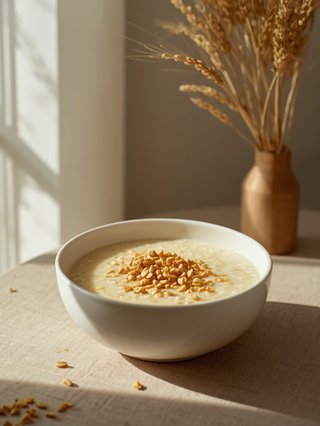
A nourishing bowl of sweet millet porridge enriched with dried fruits, nuts, and warming spices makes an outstanding, energy-dense breakfast.
Spiced Millet Porridge with Dried Fruits and Seeds
Ingredients: 60 g raw millet groats, approx. 1/2 cup milk (dairy or plant-based), 3/4 cup water, 2 tbsp raisins (20 g), 1 tbsp pumpkin seeds and 1 tbsp sunflower seeds (10 g each), 1 tsp pure cocoa powder, 1/2 tsp butter, a pinch each of cinnamon, cardamom, nutmeg, and sea salt, optionally 1 tsp raw honey and fresh seasonal fruit (such as blueberries or banana slices).
Preparation: Thoroughly rinse the millet under hot running water in a fine sieve to eliminate any natural saponin bitterness. Place in a saucepan with water, milk, butter, salt, and spices. Simmer covered over low heat for approximately 15 minutes until liquid is fully absorbed. Stir in raisins. Lightly toast pumpkin and sunflower seeds in a dry pan. Combine toasted seeds with the warm millet, transfer to a bowl, dust with cocoa powder, and top with fresh fruit or honey.
Nutritional value per serving: approx. 478 kcal, carbohydrates: 66 g, protein: 16 g, fat: 17 g, dietary fiber: 7 g.
Nutritional Summary: Millet groats stand out for their alkalizing potential and high concentration of B-complex vitamins, which strengthen neurological health and cellular energy metabolism. They also serve as an exceptional dietary source of bioavailable silica and zinc, contributing to radiant skin, strong hair, and joint integrity. Being naturally gluten-free and gentle on digestion, millet is an essential staple in balanced nutrition.
Want to apply these guidelines in your daily diet?
Our smart diet generator creates a tailored meal plan in 3 minutes based on the recommendations in this article.

Laura Schneider
• 25.11.2026Diets Premium Expert
Diets Premium team expert. Specializes in nutrition plans, strength sports, and training plans.