Nutrition
5 min read
Muskmelon – characteristics and cultivation
1 photo
845
Smart Voice
AI
0:00
0:00
Listen to the article content live
Table of Contents 6
Medical & Editorial Disclaimer (§3 Terms): This article is for informational and educational purposes only, does not constitute medical advice, diagnosis, or treatment, and is used at your own risk. Consult a qualified physician for medical conditions.
Clinical E-Books & Diet Plans:
Explore E-Books & Plans →
Key Takeaways
Autumn brings a bountiful harvest of seasonal squashes that serve as an original addition to main dishes, creamy soups, and baked goods. This article explores the distinctive features, cultivation requirements, and culinary potential of the muskmelon squash, known for its gently sweet flavor and bell-like shape. By understanding the unique profile of this squash, readers can discover versatile ways to incorporate wholesome seasonal produce into their daily lifestyle and nutrition.
The flesh of the muskmelon squash contains a dense matrix of bioactive compounds, including polyphenols, flavonoids, and carotenoids, which function as powerful antioxidants. These natural compounds assist the body in neutralizing free radicals, thereby helping to mitigate cellular oxidative stress and support overall well-being. From an agronomic perspective, the plant thrives in full sunlight and requires protection from frost, while its relatively thick rind allows for prolonged storage in cool, dry storage areas throughout the cooler months.
In daily culinary practice, processing this squash begins with halving the fruit using a heavy, sharp knife to safely manage the firm outer rind. Once prepared, the flesh can be baked, simmered in stews, blended into velvety cream soups, or incorporated into sweet autumn recipes. Thoughtful inclusion of this seasonal treasure provides a delightful culinary experience while diversifying everyday nutrient intake through wholesome food choices.
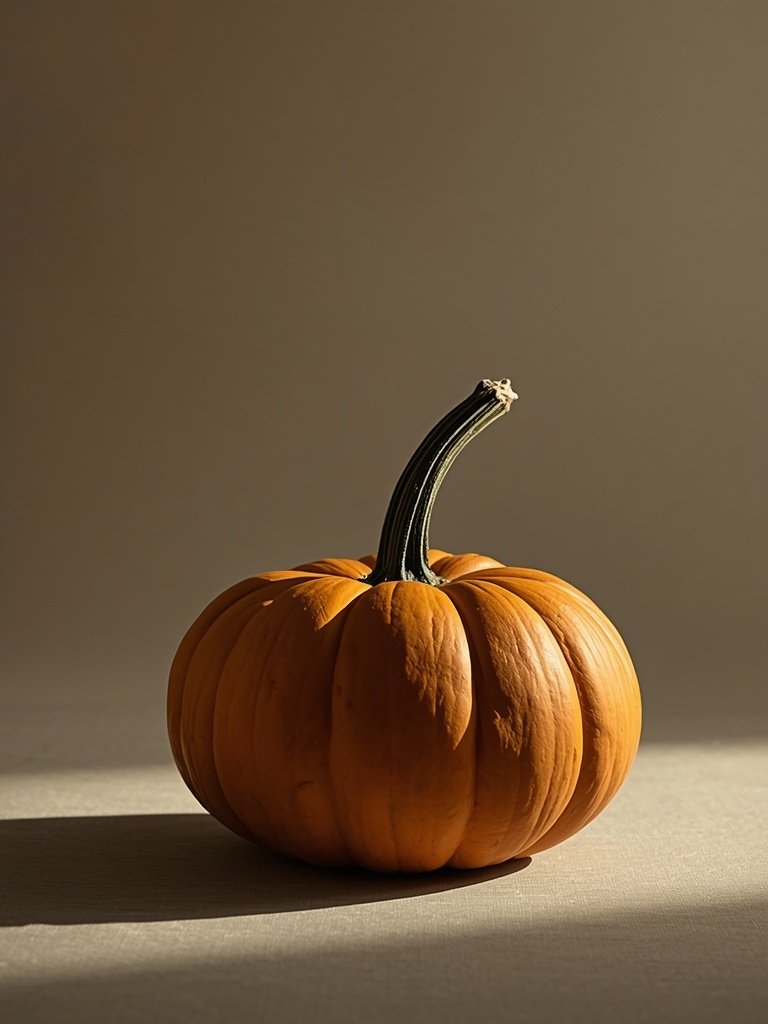
Hokkaido, giant, pear-shaped, seedless, pasta-free, edible and decorative... the melon has many names... autumn is a season with a large number of available melons that can be utilized in our kitchen in various ways... they are an original addition to main dishes, cream soups, or cakes.
01 / 06
Muskmelon Squash: A Distinctive, Nutty-Flavored, Long-Storing Gourd
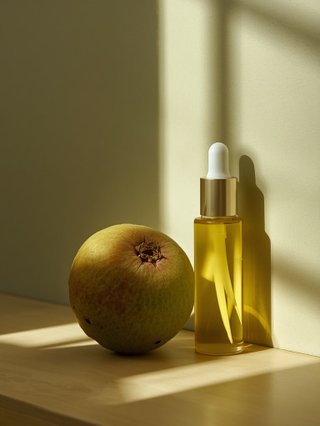
This squash variety is distinguished by its gently sweet, subtly nutty flavor profile, which appeals to connoisseurs of seasonal produce. Its distinctive bell-like shape is complemented by a light-colored, relatively thick rind that enables prolonged storage in cool, dry environments—such as cellars or pantries—without compromising quality, even throughout the entire winter season. However, careful attention must be paid to ripeness: a soft, slightly greenish-hued skin indicates that the squash has not yet reached its peak maturity for consumption. The juicy, vivid orange flesh is abundant in valuable carotenoids, including beta-carotene, making it not only a flavorful but also a highly nutritious ingredient for culinary applications. Owing to these attributes, this squash is highly regarded within the food processing industry, where it is employed in the production of juices, purées, and as an additive to baked goods and main courses.
02 / 06
Cultivating musk dyne: Essential agronomic practices and growth requirements
While musk dyne is generally considered an undemanding crop in terms of agronomic requirements, its successful cultivation hinges upon providing a location with uninterrupted, full-sun exposure for the majority of the day. It is critical to note that this species exhibits absolute intolerance to frost and subzero temperatures, necessitating protective measures during both spring and autumn temperature fluctuations. Given the plant’s vigorous vine growth—often extending several meters in length—maintaining a spacing of at least 120 × 120 centimeters between individual plants is strongly advised. The practice of routinely pruning lateral shoots not only facilitates more manageable plantation dimensions but also promotes the development of substantially larger and more flavorful fruits, as the plant can redirect its metabolic resources toward fruit maturation rather than vegetative expansion.
03 / 06
Muskmelon squash (Cucurbita moschata): A comprehensive analysis of nutritional composition and bioactive properties
Muskmelon squash (*Cucurbita moschata*) is an annual plant distinguished by its exceptionally dense nutritional profile, encompassing a broad spectrum of bioactive compounds. The flesh of this cultivar serves as a potent source of antioxidants—including polyphenols, phytosterols, flavonoids, and carotenoids—which play a pivotal role in counteracting oxidative stress by scavenging free radicals. This mechanistic action helps mitigate cellular damage, thereby reducing oncogenic risks and decelerating the physiological aging process. Beyond its antioxidant capacity, the squash delivers essential vitamins (A, C, E, K) alongside an array of macro- and micronutrients. Its easily digestible pulp facilitates gastrointestinal recovery and supports hepatic detoxification pathways, while the B-vitamin complex promotes neurological well-being. Additional antifungal and antibacterial properties further bolster immune resilience. With a modest caloric density (~40 kcal/100 g) and negligible fat content, it is an optimal inclusion in weight-management diets, though its high glycemic index renders it less suitable for individuals with carbohydrate metabolism disorders. The seeds of *C. moschata* are equally noteworthy, offering a concentrated source of complete protein, linolenic acid, dietary fiber, and bioactive constituents such as phenolic acids, tocopherols, and sterols. Historically, these seeds were employed in traditional medicine to address urinary tract disorders, hypertension, and intestinal parasitism. Contemporary applications extend to the production of pumpkin seed oil, which exhibits documented efficacy in preventing benign prostatic hyperplasia.
04 / 06
Muskmelon squash: Current pricing, retail availability, and seed purchase options for home cultivation
Muskmelon squash is predominantly sold by the piece in both conventional grocery stores and specialty health food markets. A single specimen weighing approximately 2 kilograms typically retails for between 5 and 6 złoty. Certified organic varieties command a significantly higher price point, averaging around 13 złoty per unit. For those interested in home cultivation, seeds are available in packets of 16, with each package priced at roughly 3 złoty, offering an affordable entry point for domestic gardening enthusiasts.
05 / 06
Or pick a musk pumpkin?
A variety of musk pumpkin has a hard skin, so it can be difficult to remove it. It is best to start processing the pumpkin by cutting it in half, which will make it easier to work further. For this purpose, you need to use a sharp, heavy knife.
06 / 06
The musk dyne is the recipe
We can bake, blend, and serve butternut squash as a cream, or mash it and add it to meat with potatoes or rice. It is also a good choice as a base for making leczo or goulash, and for sweet lovers, it can be an addition to cake. There are many ideas and possibilities. The easiest way to prepare butternut squash is to bake it. We cut it into cubes or sticks and bake it in the oven for about 45 min. at 200 °C. We can also bake half of the squash with the skin on, but in that case, we extend the baking time to 2h. Baked butternut squash Ingredients: 1–1. 5 kg of pumpkin (unpeeled) 5–6 tablespoons of olive oil 150g of bread or roll (can be stale) 1 onion, finely chopped sprig of fresh thyme bunch of finely chopped green parsley 20g of freshly grated parmesan 30g of freshly grated yellow cheese 1 teaspoon of hot paprika salt, pepper Peel the pumpkin, remove the seeds, and cut into 2 cm thick pieces and season with salt and pepper.. Heat 5–6 tablespoons of olive oil in a pan and fry the pumpkin pieces for about 6 min., until the edges are browned.. We transfer the pumpkin to a heatproof dish and fry the onion in the same oil until softened. Cut the bread into smaller pieces and blend it into breadcrumbs. Mix it with the onion, chopped thyme leaves, parsley, paprika, Parmesan, and yellow cheese. Mix everything thoroughly. Cover the pieces of pumpkin arranged in a heatproof dish with this mixture. Place the whole dish in an oven preheated to 220 °C. Bake for 10–15 min, until the top layer is browned.
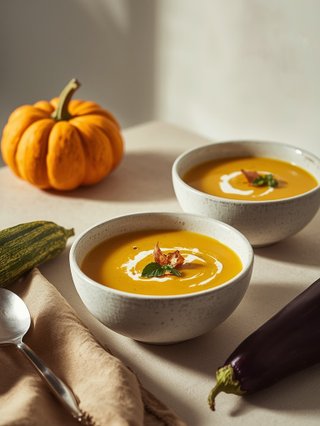
Pumpkin cream soup Ingredients: 700 g peeled and deseeded pumpkin 1 liter chicken or vegetable broth 3 medium carrots 2 potatoes 1 onion 2 cloves of garlic 4 tablespoons olive oil pinch of chili 1/4 teaspoon ginger 1/2 teaspoon cinnamon salt, pepper Vegetables are peeled and cut into smaller pieces. Place in a large pot, add olive oil and fry for about 5 min. Stirring constantly until the vegetables are browned. Add broth, chili, ginger, and cinnamon. Cook the soup for about 30 min., until the vegetables are tender. Blend everything and season with salt and pepper. On top, we can add sour cream and sprinkle with parsley.
Pumpkin Cake Ingredients: 600 g pumpkin 300 ml milk 50 g powdered sugar 2 tablespoons butter 2 tablespoons flour Cut half the pumpkin into cubes and cook in milk until soft. Then blend into a smooth sauce. Grate the rest of the pumpkin on a coarse grater and add to the sauce. Mix with powdered sugar, stir well, and set aside in a cool place for a few minutes. Grease a mold with butter and dust with flour. Pour the batter into the mold and bake in an oven preheated to 180 °C for 30 minutes. Serve.
Meal Plan
Want to apply these guidelines in your daily diet?
Our smart diet generator creates a tailored meal plan in 3 minutes based on the recommendations in this article.

Laura Schneider
• 25.11.2026Diets Premium Expert
Diets Premium team expert. Specializes in nutrition plans, strength sports, and training plans.