2 min read
Pear

1 photo
894
Smart Voice
AI
0:00
0:00
Listen to the article content live
Table of Contents 3
Medical & Editorial Disclaimer (§3 Terms): This article is for informational and educational purposes only, does not constitute medical advice, diagnosis, or treatment, and is used at your own risk. Consult a qualified physician for medical conditions.
Clinical E-Books & Diet Plans:
Explore E-Books & Plans →
Key Takeaways
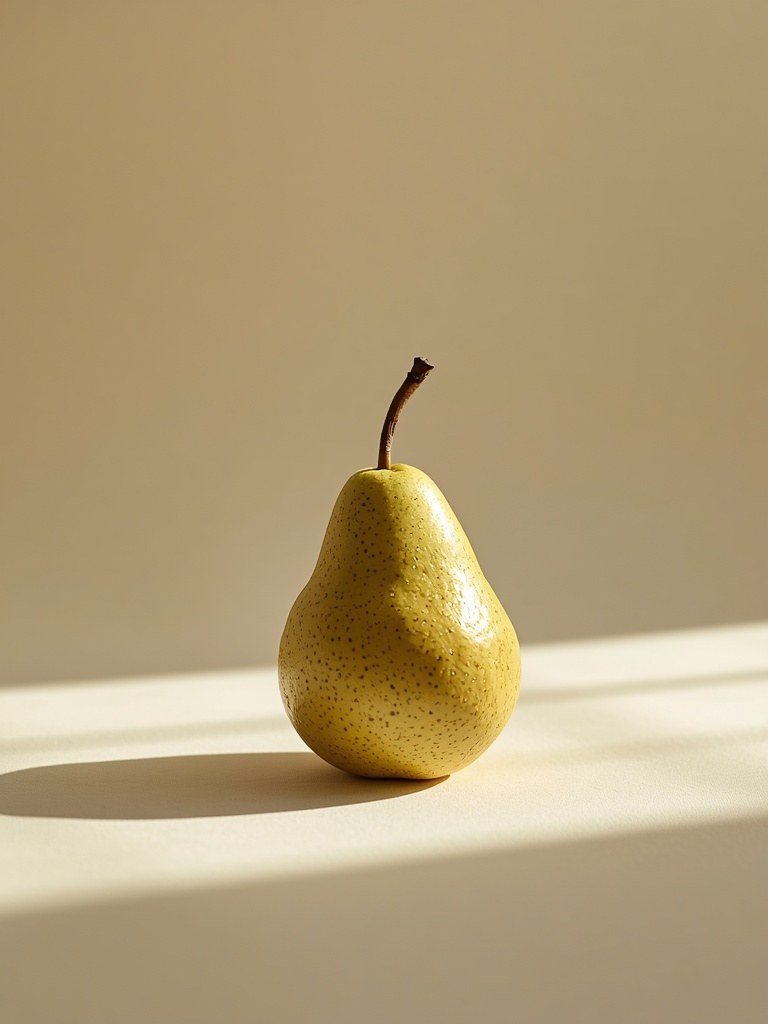
Often viewed as a simple everyday fruit, the pear offers a remarkable clinical nutrition profile rich in essential micronutrients that support cellular fluid balance and overall vitality. Concentrated directly beneath its outer skin is a substantial reserve of potassium, an electrolyte fundamental to maintaining proper mineral equilibrium across all body cells. Incorporating this fruit into a balanced diet contributes to healthy blood pressure regulation and supports optimal cardiovascular and circulatory function.
Beyond potassium, the flesh of the pear provides a diverse spectrum of minerals and trace elements, including phosphorus, calcium, sodium, boron, iodine, and magnesium. Combined with a modest caloric density, minimal fat content, and beneficial dietary fiber, pears facilitate a steady and gradual absorption of carbohydrates. Because of their gentle glycemic impact, consuming them avoids rapid spikes in blood glucose or insulin levels, promoting sustained satiety that makes them an excellent dietary ally for weight management.
In daily culinary and wellness practices, the pear stands out for its exceptional versatility across raw, cooked, and traditional preparations. To maximize the intake of minerals located just beneath the peel, enjoy thoroughly washed whole pears raw, while smoothly pureed fruit serves as a gentle and safe option for infant nutrition. Whether baked whole, lightly poached, or consumed as fresh juice to complement a heart-conscious lifestyle, pears offer an accessible and flavorful way to elevate everyday nutrient intake.
Underneath the exterior layer of the pear lies the most significant portion of potassium, whose function is to maintain the appropriate fluid and mineral balance in all cells of the body. Thanks to it, we can safeguard ourselves against high blood pressure, heart malfunctions, as well as diseases of the circulatory system. In these fruits, one can also find phosphorus, calcium, sodium, boron, iodine, or magnesium. Such a versatile combination is capable of satisfying a substantial portion of the daily requirement for these key components.
01 / 03
A comprehensive nutritional assessment of pears and their impact on human health
Pears represent an invaluable source of potassium, a mineral essential for maintaining electrolyte balance and optimal cardiovascular system function. Regular consumption of these fruits has been shown to significantly reduce the risk of hypertension and coronary artery disease. Furthermore, their pulp is rich in a wide array of micronutrients—ranging from phosphorus and calcium to sodium, boron, iodine, and magnesium—making them a valuable dietary component capable of fulfilling a substantial portion of the daily requirement for these elements. Pears also contain notable quantities of natural organic acids and readily digestible carbohydrates, while their dietary fiber content promotes healthy digestive processes. The fruit’s ripeness directly influences the ratio of these compounds: as pears mature, their simple sugar content increases while acidity diminishes. Historically, pears have been employed in traditional medicine as an effective remedy for digestive support, particularly in the prevention of constipation. Their gentle texture and high digestibility render them particularly suitable for inclusion in the diets of infants, children, and individuals with sensitive digestive systems. Wild-growing varieties are distinguished by a higher concentration of stone cells within the pulp—hard, sand-like particles that mechanically stimulate intestinal peristalsis, thereby aiding weight management efforts.
02 / 03
How many calories does a pear have? Nutritional value and macronutrient profile
A medium-sized pear (approx. 130 g) contains about 54–60 calories, which is a modest caloric load that makes it an excellent choice for individuals on a weight-loss diet. Per 100 grams of fresh fruit, you will find approximately 0.6 g of protein, 0.2 g of fat, and 12.3 g of carbohydrates (including 2.8 g of beneficial dietary fiber). With a low glycemic index (GI ≈ 38), pears do not trigger rapid spikes in blood sugar or insulin, thereby promoting sustained satiety.
03 / 03
Multifaceted applications of pears in culinary arts, traditional medicine, and homemade cosmetology
Pears represent an exceptionally versatile fruit with a comprehensive range of applications—from raw consumption to incorporation in sophisticated desserts. Their culinary adaptability is particularly evident when baked whole or poached in sugar syrup, which accentuates their delicate flavor profile. Pear juice demonstrates hypotensive properties, aiding in blood pressure regulation, while puréed fruit is safe for infant consumption. During febrile inflammatory conditions, an infusion made from pears—enhanced with honey—effectively alleviates throat discomfort. In Poland, predominant cultivars include ‘Klapsa’, ‘Conference’, and ‘Triumph of Packham’, prized for their taste and durability. As an autumnal seasonal fruit, pears provide the body with essential vitamins during periods of heightened demand. When selecting, firmer specimens with lower simple sugar content are preferable. Additionally, their extract is utilized in skincare for problematic complexions—particularly acne-prone and oily skin—serving as a base for nutrient-rich facial masks and body balms.
Meal Plan
Want to apply these guidelines in your daily diet?
Our smart diet generator creates a tailored meal plan in 3 minutes based on the recommendations in this article.
Tags

Anna Schmidt
• 25.11.2026Diets Premium Expert
Diets Premium team expert. Specializes in nutrition plans, strength sports, and training plans.