2 min read
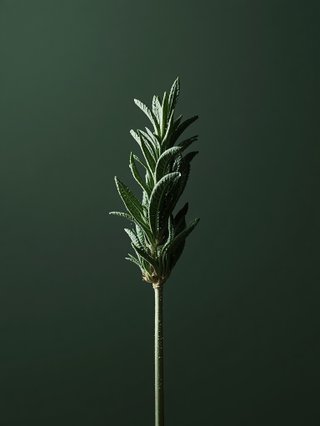
Amazing herbs – mint!


1 photo
878
Smart Voice
AI
0:00
0:00
Listen to the article content live
Table of Contents 3
Medical & Editorial Disclaimer (§3 Terms): This article is for informational and educational purposes only, does not constitute medical advice, diagnosis, or treatment, and is used at your own risk. Consult a qualified physician for medical conditions.
Clinical E-Books & Diet Plans:
Explore E-Books & Plans →
Key Takeaways
Mint is far more than a simple culinary garnish, offering a compelling combination of nutritional value and versatile wellness applications. The leaves of green mint contain proteins and carbohydrates alongside essential minerals such as calcium, phosphorus, iron, and magnesium. This article explores why this remarkable herb holds a lasting place in daily nutrition, traditional botanical practices, and topical skincare.
A primary focus of the discussion is peppermint, a popular variety prized for its rich content of vitamins, organic acids, mineral salts, tannins, flavonoids, and essential oils. Both peppermint leaf infusions and essential oils are traditionally utilized to support digestive comfort by promoting the relaxation of smooth muscles within the gastrointestinal tract, which may help ease occasional bloating after heavy meals. Beyond internal wellness, the bioactive compounds found in peppermint leaves are widely incorporated into cosmetic formulations designed to cleanse, soothe, and refresh the skin.
Incorporating mint into a balanced lifestyle is effortless, whether by infusing drinking water for natural revitalization, enhancing desserts, or brewing a soothing herbal tea after dining. Furthermore, cultivating mint at home is highly accessible due to its rapid growth and straightforward care requirements in indoor containers or on balconies. Propagating the plant year-round through root division or growing green mint from seeds provides a continuous, economical supply of fresh leaves to enrich daily dietary habits.
Leaves of green mint are composed of proteins and carbohydrates, and this plant is also rich in mineral components such as calcium, phosphorus, iron, and magnesium. Mint is known for its exceptional flavor and can be used in desserts, added to water for revitalization, or employed in the preparation of tea.
01 / 03
The action of peppermint – nutritional components and therapeutic properties
Peppermint is a rich source of numerous valuable nutritional components, such as vitamins A and B3. In medicine, its essential oil and infusion from leaves are utilized. Peppermint, the most popular variety of mint, exerts a relaxing effect on the smooth muscles of the digestive tract, which contributes to alleviating constipation and bloating issues. Peppermint tea aids digestion, hence it is recommended to be consumed after a hearty meal. Infusion from peppermint leaves also has a mildly soothing effect on the body. Peppermint will also be appreciated by individuals suffering from migraines and women experiencing strong menstrual pains.
02 / 03
Affordable and straightforward mint cultivation in a domestic environment
Mint plant cultivation in domestic conditions is possible. This is an option that can be utilized due to its rapid growth and straightforward care. It can be cultivated in a container kept indoors or on a balcony. The plant's propagation takes place through root division and occurs all year round. Green mint can be grown from seeds.
03 / 03
Manufacture of mint cosmetic products
Mint is not just a plant used in the kitchen, but also has applications in cosmetics. For centuries, traditional medicine has been utilizing its properties, mainly due to its soothing effect on the skin. Mint cosmetic products effectively cleanse the skin and provide a refreshing sensation. The most frequently used mint in cosmetics is peppermint. Its leaves contain vitamin C, organic acids, mineral salts, tannins, flavonoids, and essential oils. These components are used to produce menthol, mint oil, and menton, which are components of perfumes. Mint also appears in creams, toners, and masks. These cosmetics have antiseptic, anti-inflammatory, astringent, and slightly brightening effects on the skin. Doctors recommend using these cosmetics for oily, acne-prone, sensitive, and allergic skin. Mint added to shampoos enhances their anti-dandruff effect and relieves itching on the scalp.
Meal Plan
Want to apply these guidelines in your daily diet?
Our smart diet generator creates a tailored meal plan in 3 minutes based on the recommendations in this article.

Katarzyna Mazur
• 25.11.2026Diets Premium Expert
Diets Premium team expert. Specializes in nutrition plans, strength sports, and training plans.