Fig cactus – characteristics, properties, uses

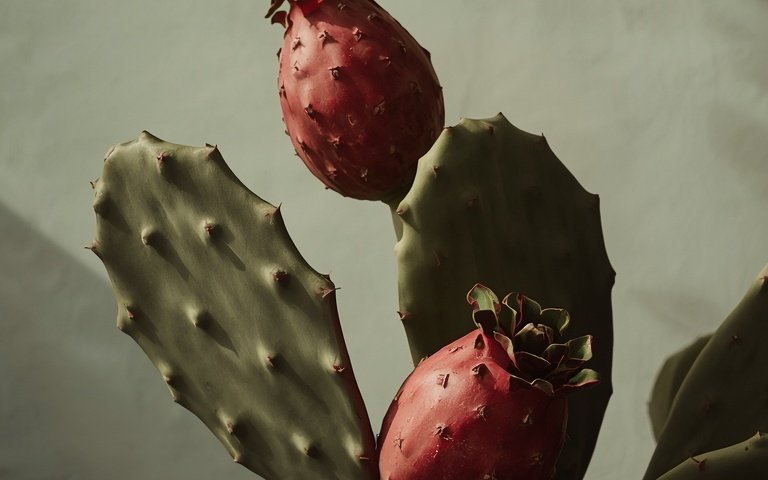
Table of Contents 4
Medical & Editorial Disclaimer (§3 Terms): This article is for informational and educational purposes only, does not constitute medical advice, diagnosis, or treatment, and is used at your own risk. Consult a qualified physician for medical conditions.
Physiologically, the prickly pear is characterized by a rich concentration of dietary fiber and active plant compounds that support digestive health and metabolic balance. In its dehydrated form, complex carbohydrates predominate, promoting a stable gut environment and optimal intestinal transit. Beyond internal nutrition, extracts from the plant’s cladodes and fruits possess profound hydrating and restorative properties, long utilized to soothe cutaneous tissues, encourage natural recovery, and manage inflammation.
Incorporating prickly pear into daily routines offers versatile culinary and wellness benefits. The sweet fruit pulp provides a refreshing source of nutrients, while the young, carefully prepared cactus pads can be cooked as a unique vegetable alternative. Embracing this versatile plant, whether through fresh foods or botanical formulations, serves as an excellent natural strategy to enhance daily nutrition and support overall skin and digestive vitality.
This article is professional premium content (PRO) provided in its entirety.
Option Botanical description, characteristics of the species
*Opuntia ficus-indica* (Prickly Pear Cactus): A Detailed Breakdown of Nutritional and Bioactive Compounds in Dry Matter Basis
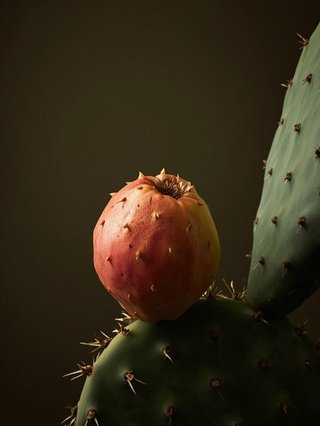
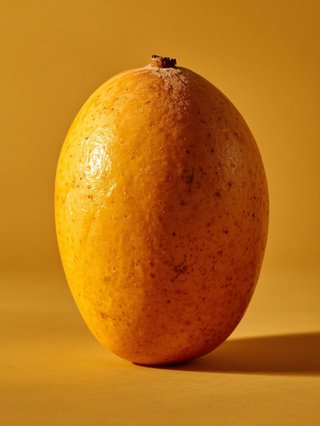
The primary edible component of the prickly pear cactus (*Opuntia ficus-indica*) consists of its fruit, while the flattened cladodes (modified stems) and flowers are consumed far less frequently. Despite the fruit pulp comprising approximately 93% water by weight, the plant remains a staple in culinary applications—particularly in its dehydrated form, where carbohydrates emerge as the predominant constituent. Notably, dietary fiber accounts for 47–51% of the fruit’s dry matter, with the soluble fraction (comprising pectins and β-glucans) being especially prominent. Additionally, the fruit contains substantial quantities of readily digestible monosaccharides, chiefly glucose and fructose, positioning it as a valuable source of rapid-energy carbohydrates.
Of particular interest is the fruit’s exceptionally high protein content for a botanical source (13.3–14.9 g per 100 g of dry matter), whereas lipids are present only in trace amounts (0.98–1.1 g). The vitamin profile is dominated by water-soluble compounds, including vitamin C (57.1–63.9 mg/100 g) and B-complex vitamins (thiamine, riboflavin), while fat-soluble vitamins are represented primarily by tocopherols and β-carotene (provitamin A). The mineral composition features calcium, potassium, magnesium, iron, and phosphorus as key constituents. Beyond these, the fruit harbors a diverse array of bioactive phytochemicals—such as phenolic compounds, carotenoids, anthocyanins, vitamin K, and β-sitosterols—each associated with documented health-promoting properties.
The presented data derive from chemical analyses of the "Milpa" and "Atlixco" cultivars (source: Cieślik E. et al., *Advances in Phytotherapy* 2016, 17(3), 213–217) and are expressed as mean values ± standard deviation (SD), except for moisture content, which is reported in absolute terms.
Prickly pear cactus (*Opuntia ficus-indica*) – evidence-based health benefits and therapeutic applications in traditional and modern medicine
Prickly pear cactus: Multifunctional applications in culinary arts, herbal medicine, and cosmetic formulations
Want to apply these guidelines in your daily diet?
Our smart diet generator creates a tailored meal plan in 3 minutes based on the recommendations in this article.

mgr Max Müller
• 25.11.2026Diets Premium Expert
Diets Premium team expert. Specializes in nutrition plans, strength sports, and training plans.