The effect of excessive fiber in the diet on the body


Table of Contents 3
Medical & Editorial Disclaimer (§3 Terms): This article is for informational and educational purposes only, does not constitute medical advice, diagnosis, or treatment, and is used at your own risk. Consult a qualified physician for medical conditions.
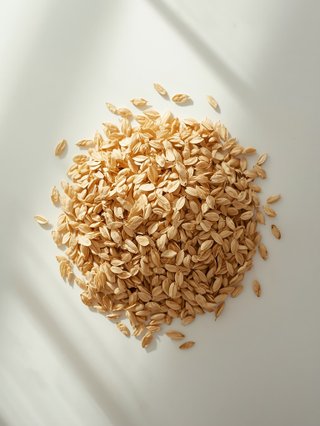
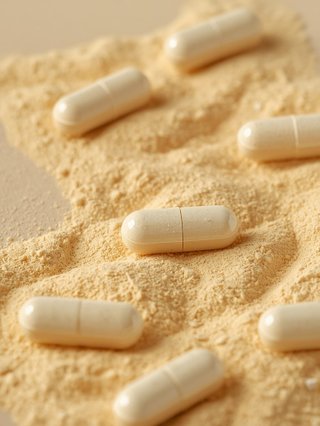
Inside the gastrointestinal tract, indigestible plant components pass through the small intestine largely intact before undergoing fermentation by colonic microbiota, yielding short-chain fatty acids and beneficial bioactive metabolites. However, when intake becomes excessively high—especially if introduced abruptly alongside insufficient fluid consumption—it overwhelms the natural digestive capacity. This physiological mismatch leads to pronounced abdominal distension, altered nutrient absorption, and considerable strain on normal intestinal transit.
Practical guidance emphasizes increasing fiber intake gradually and consistently pairing it with an ample supply of water to support smooth digestive processes. Readers should focus on balanced nutritional choices rather than drastic dietary shifts to ensure long-term well-being and comfort. Consulting qualified healthcare professionals or clinical dietitians remains the most reliable way to tailor dietary habits safely to individual physiological needs.
Dietary fiber: conceptual framework and physiological attributes
Dietary fiber: Core physiological functions and evidence-based health benefits
Excess dietary fiber: Symptoms, physiological mechanisms, and adverse effects
Want to apply these guidelines in your daily diet?
Our smart diet generator creates a tailored meal plan in 3 minutes based on the recommendations in this article.

Literatura:
Diets Premium Expert
Diets Premium team expert. Specializes in nutrition plans, strength sports, and training plans.