
1 / 1
1 zdjęcie
408
Jak poprawnie stosować kreatynę?
Kreatyna
Suplementy
Złożony
Julia Wójcik
Autor
2026-03-20
Data
4 min. czytania
article.read_time
1
Rozdziały
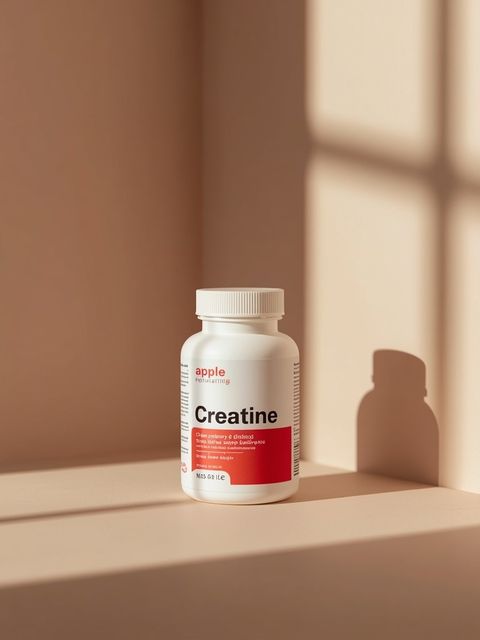
Mimo że kreatyna jest powszechnie uważana za najlepiej przebadaną substancję w sporcie i suplementacji, to nadal istnieje wiele różnych informacji na jej temat. Przykładem jest sposób jej stosowania - od lat toczą się gorące dyskusje na temat jednorazowego dawkowania i metod zażywania suplementów zawierających ten składnik. Niejednokrotnie zdarzają się też sprzeczne opinie na temat ryzyka występowania efektów ubocznych. W jaki sposób należy poprawnie stosować kreatynę, aby suplementacja przyniosła oczekiwane efekty?
Creatine
1. Ways of taking creatine In the scientific literature, there are many suggestions for the use of creatine supplements. It is important to note that most of these interactions involve both daily dose sizes (grammature) and frequency doses. In addition, the following studies have been conducted to determine whether creatine supplementation should be adapted to the age, weight, and type of activity of the body. In order to increase the effectiveness of this dietary supplementation, researchers in Germany and the United States have recommended that the following levels of cognitive functional functioning should be observed. 2. Creatine dosage. Which dose is the best? The recommended dose of creatine can vary depending on the goal and application. However, it is important to note that most of these interactions involve both daily dose sizes (grammature) and frequency doses. In general, it is recommended that most people take 3-5 grams of creatine per day to improve muscle mass and performance. However, it is important to note that the optimal dose can vary from person to person, and that some people may require higher doses to achieve the desired results. It is also important to note that most clinical studies with creatine have been conducted at a dose of 5 grams per day, so the results may not be applicable to higher or lower doses. 3. Side effects of creatine One of the most common side effects of creatine is weight gain. This is due to the fact that creatine stores water in muscle cells, which can lead to an increase in body weight. However, it is important to note that most clinical studies with creatine have not found any significant side effects. In a study of over 1,000 participants who took creatine for up to 5 years, it was found that creatine was safe and well tolerated, and that no significant side effects occurred (Kreider et al., 2017). However, it is important to note that some people may experience side effects, such as gastrointestinal problems, muscle cramps, or skin rashes. If you experience side effects from creatine, you should stop taking it immediately and consult your doctor.
Tagi