Senior Health (50+) • CLINICAL PROTOCOL

Vitality and Immunity 50+

Personalized, evidence-based nutrition guidelines (EBM) dedicated to Vitality and Immunity 50+. Balanced macronutrients, micronutrition, and elimination of pro-inflammatory factors.

Vitality and Immunity 50+
HOW TO START

It's Easy to Start Today!

Eat Healthy

Precisely selected nutrients supporting metabolic balance and tissue regeneration.

Workout Hard

Physical activity safely tailored to your clinical conditions and baseline endurance.

Enjoy Your Life

Psychoemotional balance, restful sleep, and stress reduction as indispensable pillars of recovery.

SERVICES & PROTOCOLS
Personal Health Program

Personal Health Program

Dedicated medical nutrition therapy and dietary protocols for Vitality and Immunity 50+.

Personal Fitness Trainer

Personal Fitness Trainer

Tailored workout plan and physical exercise supporting therapy.

Wellness Counseling

Wellness Counseling

Specialist support and continuous monitoring of health progress.

Diet Programs

Diet Programs

Precise calculation of BMR, TDEE, and micronutrient balance.

Refreshing Citrus Background
FREE RECOMMENDATIONS

Change Your Health in One Day!

Special Program for Sensitive Nutrition
POPULAR PROGRAMS & CLINICAL PROTOCOLS

Special Program for Sensitive Nutrition

Individually formulated nutrition protocols for individuals managing specific metabolic and allergic requirements in Vitality and Immunity 50+.

Allergen exclusion, gut microbiota support, and optimization of carbohydrate-lipid metabolism.

8
Programs
161
Happy Customers
7
Awards
117
Success Stories

Other Groups in Category: Senior Health (50+)

Articles and Guides in — Vitality and Immunity 50+

Publications, recommendations, and clinical analysis in Vitality and Immunity 50+

30 publications
The Role of Probiotics in Digestive Health: Scientifically Documented Support in Treating Constipation, Diarrhea, Boosting Immunity, and Regulating Body Weight

The Role of Probiotics in Digestive Health: Scientifically Documented Support in Treating Constipation, Diarrhea, Boosting Immunity, and Regulating Body Weight

Against the backdrop of rising antibiotic resistance and the growing prevalence of viral and bacterial infections, probiotics have emerged as a cornerstone of both preventive and therapeutic strategies in modern medicine. Clinically validated strains such as Lactobacillus rhamnosus GG, Bifidobacterium longum, and Streptococcus thermophilus demonstrate significant efficacy in maintaining gut microbiota balance and enhancing overall digestive health. To harness their full therapeutic potential, however, a nuanced understanding of their mechanisms of action, selection criteria for appropriate formulations, and optimal dosing regimens is indispensable. This evidence-based overview explores the latest scientific insights into probiotics’ role in digestive health, highlighting their targeted applications for constipation relief, diarrhea management, immune enhancement, and metabolic regulation.


Tomato varieties (Solanum lycopersicum) – nutritional properties, calories, lycopene, and culinary uses

Tomato varieties (Solanum lycopersicum) – nutritional properties, calories, lycopene, and culinary uses

The cultivated tomato (Solanum lycopersicum) is a staple solanaceous crop providing an unmatched dietary reservoir of lycopene, potassium, ascorbic acid, and provitamin A carotenoids. Modern agronomy offers hundreds of cultivars exhibiting diverse morphological profiles, firmness, and flavor chemistries. What distinct micronutrient properties characterize each tomato variety, how does thermal processing amplify lycopene bioavailability, and how should they be deployed in culinary medicine?

Stinging nettle (Urtica dioica) – medicinal properties, preparation of juice and tea, and contraindications

Stinging nettle (Urtica dioica) – medicinal properties, preparation of juice and tea, and contraindications

Stinging nettle is a cornerstone of botanical medicine, distinguished by its remarkable density of vitamins, trace minerals, and bioactive flavonoids. This guide reviews its diuretic, anti-inflammatory, and hemogenic properties, recipes for fresh spring juice and restorative teas, and essential clinical contraindications.

Chicken breast fillet – nutritional profile and role in the diet

Chicken breast fillet – nutritional profile and role in the diet

Skinless chicken breast fillet represents a premier source of lean dietary protein in clinical and athletic nutrition. It features a complete exogenous amino acid profile, minimal total lipid content, and abundant B-complex vitamins, notably niacin (B3) and pyridoxine (B6). This guide examines its nutritional profile and explores the impact of culinary techniques on digestibility and tenderness.

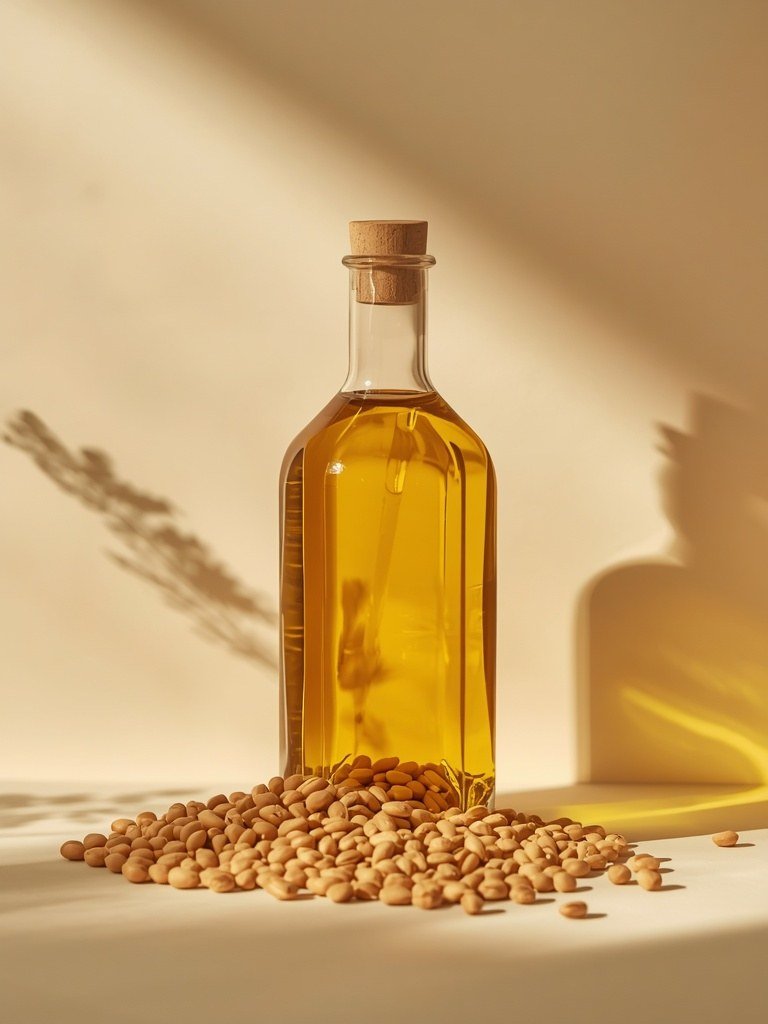
Soybean oil – properties, culinary uses, and selection criteria

Soybean oil – properties, culinary uses, and selection criteria

Soybean seed oil, one of the most widely consumed vegetable oils globally, is extracted from the seeds of the soybean plant (Glycine max). Rich in essential unsaturated fatty acids, phytosterols, and vitamins E and K, soybean oil supports lipid homeostasis and cardiovascular integrity when incorporated into a balanced diet and kept free from excessive heat exposure.

Ways to strengthen the body's natural immunity based on scientific recommendations

Ways to strengthen the body's natural immunity based on scientific recommendations

Optimal immune defense requires the synchronized coordination of innate and adaptive immunological branches. This evidence-based review examines the foundational pillars of host resilience: the gut-associated lymphoid tissue (GALT), targeted immunonutrients (Vitamin D3, zinc, Vitamin C), and the neuro-immune impact of circadian sleep architecture and physical exertion.

Vitamin D Hypervitaminosis: Potential Dangers, Overdose Symptoms, and Clinical Effects of Hypercalcemia

Vitamin D Hypervitaminosis: Potential Dangers, Overdose Symptoms, and Clinical Effects of Hypercalcemia

Vitamin D is an indispensable secosteroid hormone orchestrating skeletal mineralization, innate immunity, and cellular differentiation. However, popular trends promoting non-monitored megadosing have driven an alarming resurgence of vitamin D toxicity—a life-threatening endocrine disturbance governed by systemic hypercalcemia and metastatic soft-tissue calcification.

Diet for Psoriatic Arthritis

Diet for Psoriatic Arthritis

Psoriasis is an inflammatory condition with a hereditary component that involves immune system abnormalities, leading to diverse skin manifestations. In addition to genetic predisposition, psychological stress, viral and bacterial infections, and tobacco use are also thought to play a role in disease development. Approximately one-third of individuals with psoriasis may progress to arthritis.

Czystek – contraindications, side effects, and use during pregnancy and breastfeeding

Czystek – contraindications, side effects, and use during pregnancy and breastfeeding

Cistus incanus (rockrose), a shrub with white, red, or pink flowers, is native to the Mediterranean region. It is most commonly found in the Canary Islands, Greece, and Italy. Due to its medicinal properties, cistus has become a popular herbal tea. It exhibits anti-inflammatory, antiviral, and antibacterial effects, making it an effective means of boosting the body's immune system.

How to strengthen immunity in children? The key role of diet in building the immune system

How to strengthen immunity in children? The key role of diet in building the immune system

The immune system of a child is not yet fully developed, which leads to frequent recurrences of respiratory infections. These infections worsen when the child encounters a new situation. The first year of a child's life in a crib or preschool can be associated with the development of diseases up to 10 times a year. The large number of microbes that a young organism has to deal with causes frequent infections that usually run mild. This is a completely natural process.

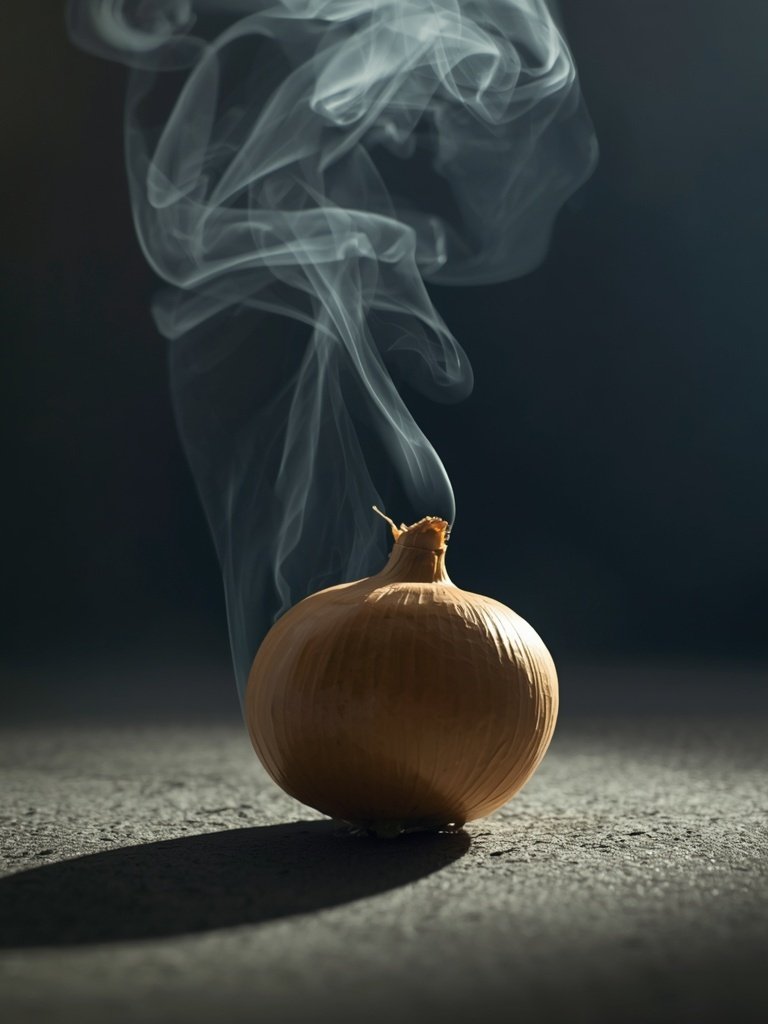
Smoked Onion – properties, vitamins, and culinary uses

Smoked Onion – properties, vitamins, and culinary uses

Spring onion (scallion) with vibrant green tops is a fresh, flavorful staple offering an abundance of essential nutrients. Rich in B-complex vitamins (especially folate crucial for cell synthesis), immune-strengthening vitamin C, and antioxidant vitamin E, it also provides sulfur compounds that support vascular elasticity. Discover why incorporating fresh spring onions into everyday meals brings both culinary delight and substantial health benefits.

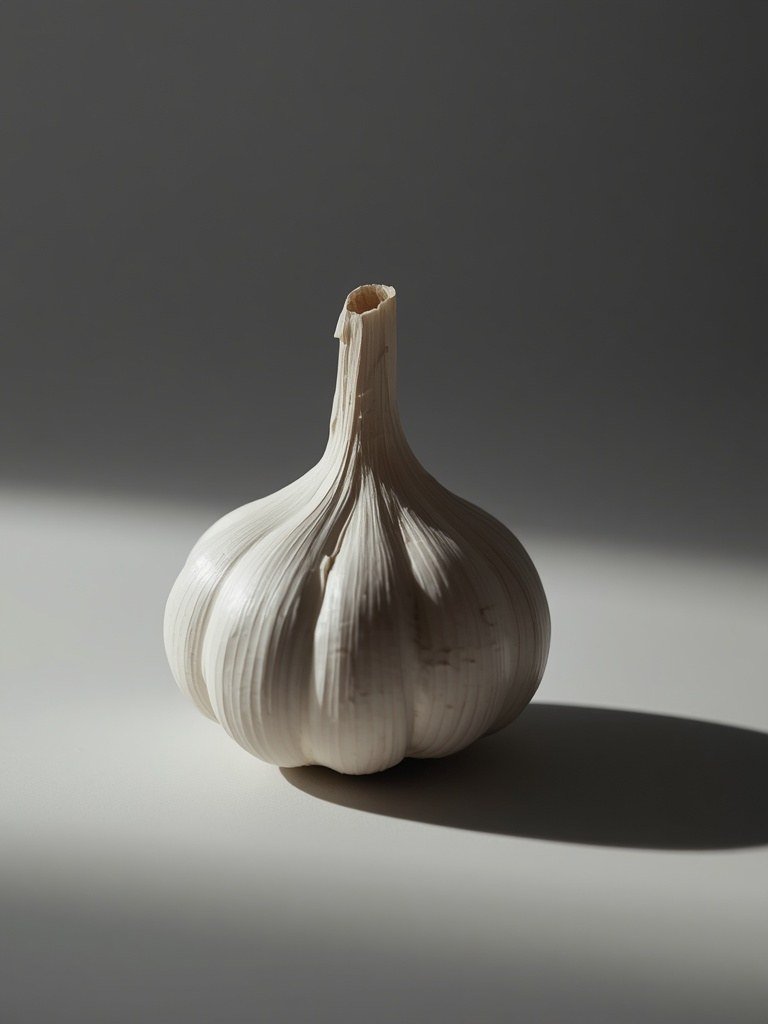
Garlic and chives – a green wealth of vitamins, allicin, and culinary uses

Garlic and chives – a green wealth of vitamins, allicin, and culinary uses

The characteristic pungent aroma and fresh flavor of chives and Welsh onion stem from potent organosulfur compounds, including allicin, known for their antimicrobial and antioxidant actions. These vibrant green shoots deliver concentrated vitamin C, provitamin A, folate, and vital electrolytes such as potassium and magnesium. With minimal caloric density and natural essential oils that enhance digestive enzyme secretion, chives represent an outstanding functional addition to wholesome meals.

Carcinogenic substances – diet that increases cancer risk

Carcinogenic substances – diet that increases cancer risk

A malignant tumor is an excessively growing tissue mass that continues its progression, even after the removal of its source. Each body tissue type can degenerate in various ways, leading to the formation of many distinct cancer types. The primary causes of cancer include: cancer-inducing genes, triggering factors from the cell's environment, and a weakened immune system. More than half of all cancer cases are caused by environmental factors, with inadequate nutrition being one of the main causes in approximately 30-40% of cases.

Grapefruit juice: characteristics, nutritional content, and interaction with medications

Grapefruit juice: characteristics, nutritional content, and interaction with medications

Among the benefits of consuming grapefruit juice are support for weight loss, antioxidant effects, boosting the immune system, or protecting the heart. However, if we are taking any medication, we should refrain from consuming this citrus fruit for at least 4 hours as it may have serious consequences for our health.

12% fat content in cream

12% fat content in cream

There are various creams with different fat contents. It is a product with a high calorific value. It contains many fats and cholesterol, which are harmful to the body in large quantities. Cream should be consumed only occasionally. 18% cream contains up to 190 calories per 100 grams. However, studies published in the European Journal of Nutrition indicate that the consumption of fatty products does not affect the risk of obesity at all. This is due to the presence of rumenic acid in these products, which is currently used in synthetic diet supplements for weight loss. Research on this issue is still ongoing. However, it is a fact that CLA improves the functioning of the immune system and lowers blood sugar levels.

Protein damage - symptoms, diet and treatment of protein damage

Protein damage - symptoms, diet and treatment of protein damage

A significant role in allergic reactions is played by the immune system. Foreign substances that enter the body (i.e. antigens) cause the immune system to produce antibodies that bind with these substances, forming antigen-antibody complexes. In this way, the foreign body is neutralized upon contact with the organism. This process occurs in all individuals and typically does not cause allergic symptoms. However, if the body produces an excessive amount of antibodies, inflammatory conditions occur in the body, resulting in allergic symptoms [1]. One example of such a reaction is protein damage.

Action and side effects of the plant called Buzdyganek naziemny

Action and side effects of the plant called Buzdyganek naziemny

In recent years, a significant increase in interest in natural substances that support the immune system and aid in the treatment of a wide range of diseases has been observed. Few are aware that such raw materials are also very effective in preventing the occurrence of these diseases and provide excellent prevention. One such plant is Ground elder, which stands out particularly for its positive impact on sexual life. Read this article to learn more about its effects.

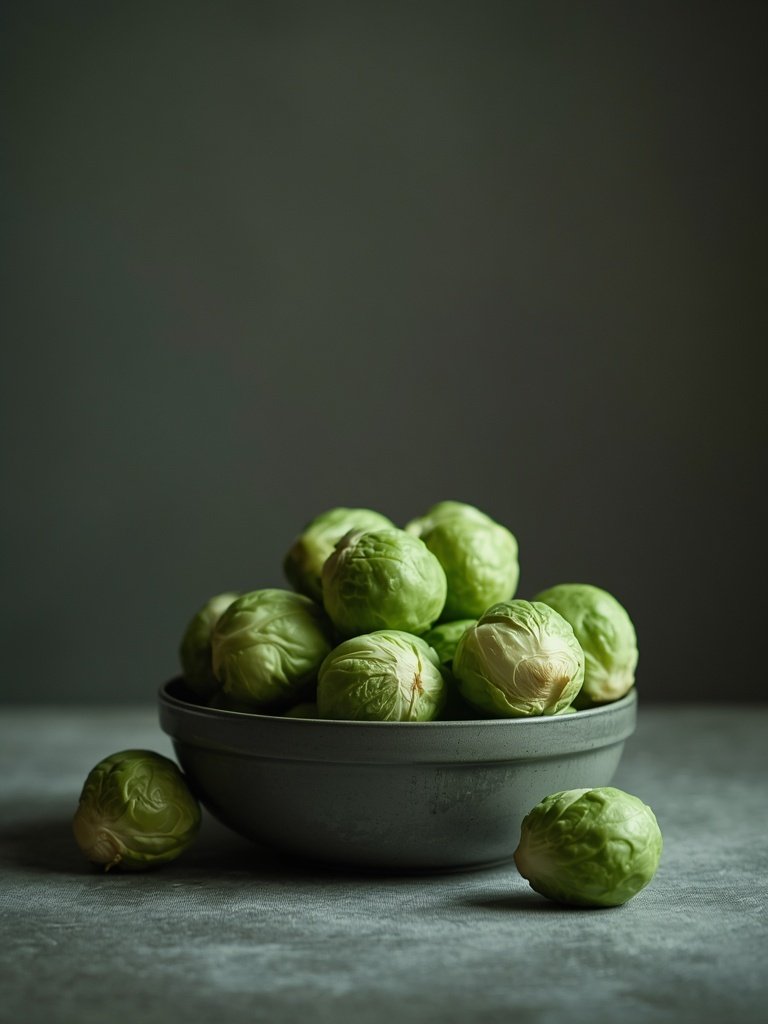
Brussels sprouts - properties, recipes... Can you really prepare Brussels sprouts that are not bitter?

Brussels sprouts - properties, recipes... Can you really prepare Brussels sprouts that are not bitter?

Brussels sprouts, also known as Brussels cabbage, were first cultivated in Brussels in 1821 and resemble Italian walnuts in size. Despite their small size, they support the immune system and have anti-cancer properties. They were bred from a cross between kale and cabbage. They are currently grown in Europe and the United States. They are available year-round in stores, but are best purchased from autumn to early spring.

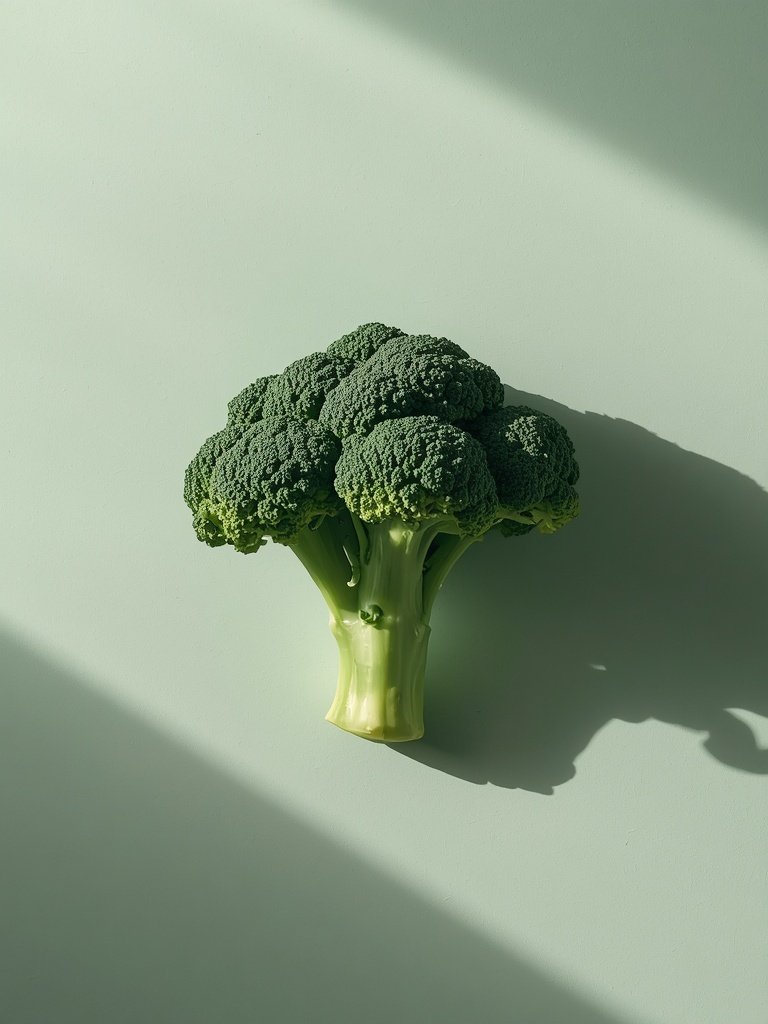
Broccoli

Broccoli

Broccoli vegetable is a vegetable with high health and cancer-fighting potential. It contains a range of antioxidants, including vitamin C, beta-carotene, and sulforaphane, which neutralize the excess of free radicals that contribute to the development of civilization diseases and cancers. Broccoli vegetable contains valuable potassium for heart and muscle function; calcium and phosphorus, which are essential for proper skeletal mineralization; and iodine, which helps the thyroid function properly. The vitamins found in broccoli vegetable, such as retinol and beta-carotene, support eye function and prevent oxidative stress. It also contains zeaxanthin, which improves vision. The high content of vitamin C increases the absorption of iron from plant-based products and stimulates the immune system. A 100-gram serving of broccoli vegetable provides 2.5 grams of dietary fiber, which helps regulate digestive function, lower cholesterol levels, and regulate blood sugar.

Atopic dermatitis in children – causes and natural treatment methods

Atopic dermatitis in children – causes and natural treatment methods

Allergies are prevalent health issues in our times. The reason for the development of allergies is an insufficient and exaggerated reaction of the immune system to a specific stimulus, i.e., an allergen. Allergic skin inflammation is one of the chronic, bothersome, and unfortunately, difficult to manage diseases affecting the largest organ of the human body - the skin.

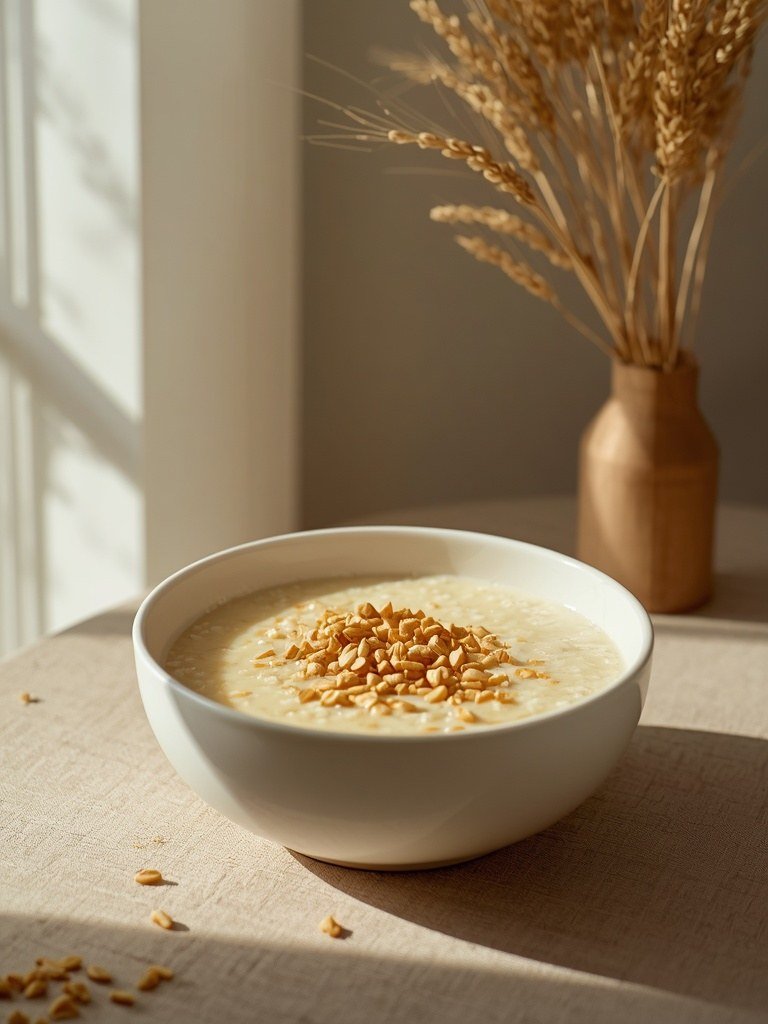
Amaranth – preparation methods, places to buy, and recipes

Amaranth – preparation methods, places to buy, and recipes

Amaranth seeds are nutritious and gluten-free, containing more protein and calcium than other cereals.. They are attributed with many health benefits, including lowering cholesterol levels in the blood, boosting the immune system, exerting anti-cancer activity, and reducing blood glucose levels.. Additionally, it is believed to have anti-inflammatory and antioxidant properties.

Share