




Senior Health (50+) • CLINICAL PROTOCOL

Bone Health and Osteoporosis

Personalized, evidence-based nutrition guidelines (EBM) dedicated to Bone Health and Osteoporosis. Balanced macronutrients, micronutrition, and elimination of pro-inflammatory factors.

Bone Health and Osteoporosis
HOW TO START

It's Easy to Start Today!

Eat Healthy

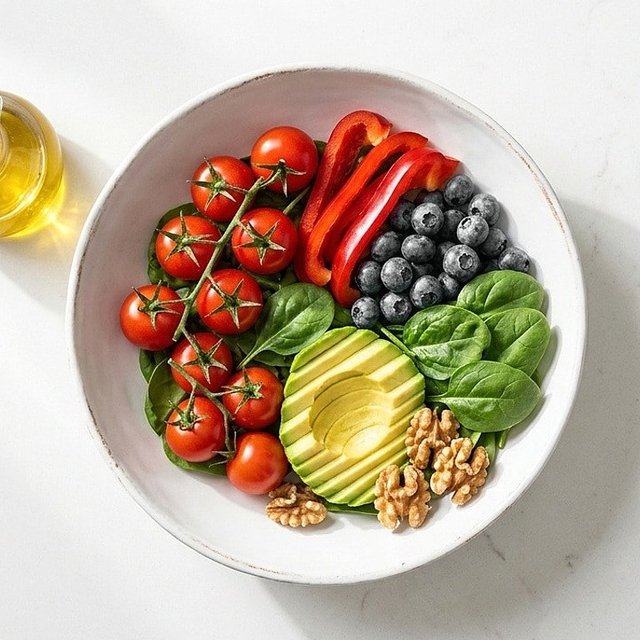
Precisely selected nutrients supporting metabolic balance and tissue regeneration.

Workout Hard

Physical activity safely tailored to your clinical conditions and baseline endurance.

Enjoy Your Life

Psychoemotional balance, restful sleep, and stress reduction as indispensable pillars of recovery.

SERVICES & PROTOCOLS
Personal Health Program

Personal Health Program

Dedicated medical nutrition therapy and dietary protocols for Bone Health and Osteoporosis.

Personal Fitness Trainer

Personal Fitness Trainer

Tailored workout plan and physical exercise supporting therapy.

Wellness Counseling

Wellness Counseling

Specialist support and continuous monitoring of health progress.

Diet Programs

Diet Programs

Precise calculation of BMR, TDEE, and micronutrient balance.

Refreshing Citrus Background
FREE RECOMMENDATIONS

Change Your Health in One Day!

Special Program for Sensitive Nutrition
POPULAR PROGRAMS & CLINICAL PROTOCOLS

Special Program for Sensitive Nutrition

Individually formulated nutrition protocols for individuals managing specific metabolic and allergic requirements in Bone Health and Osteoporosis.

Allergen exclusion, gut microbiota support, and optimization of carbohydrate-lipid metabolism.

8
Programs
161
Happy Customers
7
Awards
117
Success Stories

Other Groups in Category: Senior Health (50+)

Articles and Guides in — Bone Health and Osteoporosis

Publications, recommendations, and clinical analysis in Bone Health and Osteoporosis

19 publications
Osteoporosis: Comprehensive Preventive Strategies, Natural Therapy Methods, and Nutritional Recommendations – Analysis and Diagnosis of Bone Disease

Osteoporosis: Comprehensive Preventive Strategies, Natural Therapy Methods, and Nutritional Recommendations – Analysis and Diagnosis of Bone Disease

This metabolic bone disorder raises numerous questions regarding its nature, prevention strategies, and therapeutic options. The present article serves as an exhaustive knowledge base on osteoporosis—covering definitions, developmental mechanisms, evidence-based preventive techniques, and natural dietary approaches to support skeletal health across all age groups.

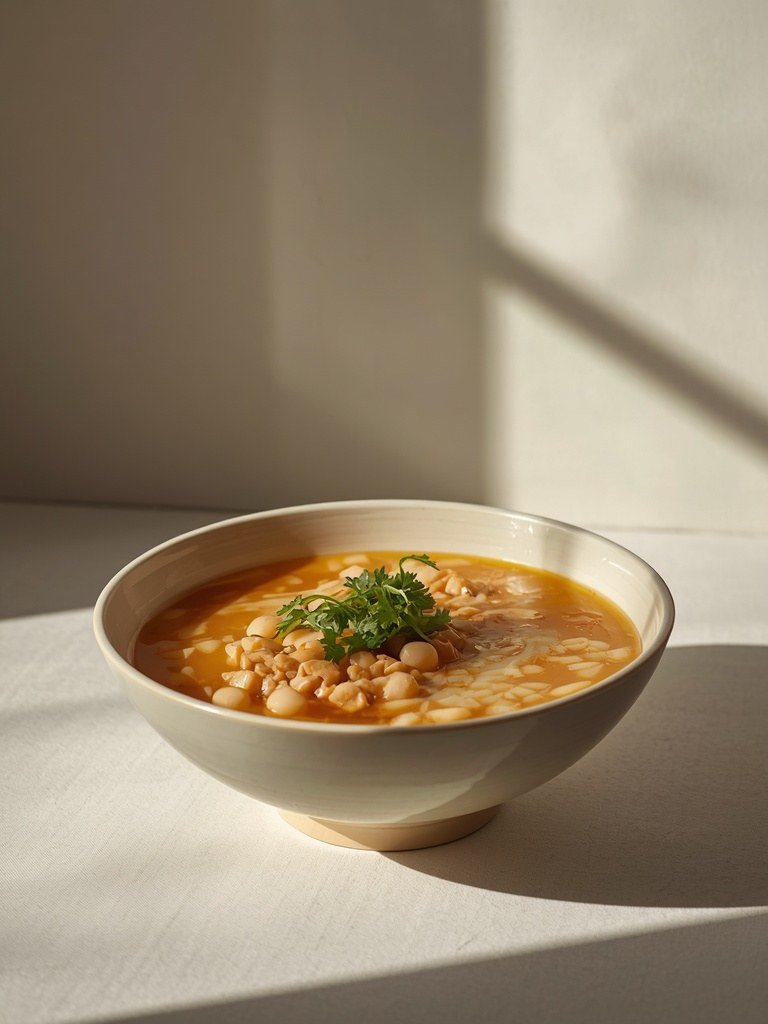
Proper diet and physical activity are the best way to prevent osteoporosis!

Proper diet and physical activity are the best way to prevent osteoporosis!

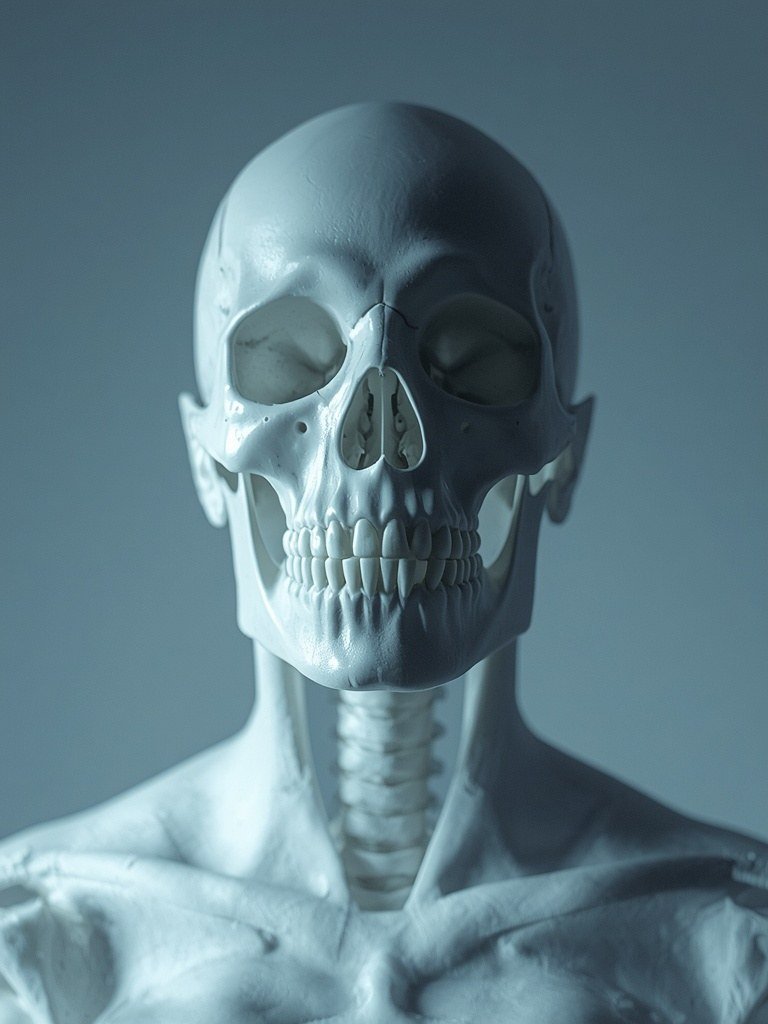
Osteoporosis, clinically dubbed the 'silent bone thief', is a systemic skeletal metabolic disorder characterized by low bone mineral density (BMD) and microarchitectural deterioration of osseous tissue. It progresses asymptomatically for decades until presenting catastrophically as a low-trauma fragility fracture (typically of the femoral neck, vertebral bodies, or distal radius). Proactive lifestyle interventions combining osteogenic nutrition with mechanical loading represent the most robust preventive shield.

Natto – characteristics and health benefits of fermented soy in the diet and Japanese cuisine

Natto – characteristics and health benefits of fermented soy in the diet and Japanese cuisine

Natto is a cornerstone of traditional Japanese functional gastronomy, generated through the fermentation of whole soybeans by Bacillus subtilis var. natto. Marked by a distinct pungent aroma and mucilaginous texture, it constitutes the densest dietary reservoir of menaquinone-7 (vitamin K2 MK-7) and the potent fibrinolytic enzyme nattokinase, offering profound cardiovascular and skeletal benefits.

Potential health risks associated with milk consumption – a scientific analysis and factual consequences for the human body

Potential health risks associated with milk consumption – a scientific analysis and factual consequences for the human body

For generations, the belief has persisted that regular milk consumption constitutes an indispensable component of a balanced diet, purportedly ensuring robust skeletal structure and optimal dental health. However, contemporary scientific research increasingly challenges this assumption, prompting a critical inquiry: Does a genuine, causally proven relationship exist between dairy product intake and long-term bone health? Alternatively, might even modest daily milk consumption fail to deliver the anticipated benefits—and instead carry unforeseen adverse effects that warrant thorough examination from both medical and nutritional perspectives?

Celiac disease and gluten intolerance and osteoporosis in women – mechanisms, diagnosis, and prevention

Celiac disease and gluten intolerance and osteoporosis in women – mechanisms, diagnosis, and prevention

Celiac disease and non-celiac gluten sensitivity extend far beyond classic gastrointestinal symptoms. In women, one of the most critical and frequently silent long-term complications is premature osteopenia and severe osteoporosis. Chronic mucosal inflammation and enterocyte blunting in the small intestine severely impair the absorption of calcium, vitamin D, and essential trace minerals. This comprehensive guide details the molecular and endocrine pathways of bone loss, the compounded vulnerability during menopause, diagnostic bone mineral density (DEXA) scans, and integrative nutritional strategies to rebuild skeletal strength.

Efficacy and Dosage of Triphala – Juice of Three Fruits

Efficacy and Dosage of Triphala – Juice of Three Fruits

Triphala is a combination of three different fruits that possess significant healing properties. It originates from India, where it has been used for centuries as a natural remedy supporting the treatment of osteoporosis, urinary tract diseases, hemorrhoids, and headaches. Nowadays, the fame of Triphala has spread worldwide, where it is utilized in natural medicine. How does Triphala work, and how can it be safely dosed to achieve the intended results?

Anemia – symptoms, causes and treatment methods

Anemia – symptoms, causes and treatment methods

Anemia is a condition linked to an insufficient level of red blood cells or hemoglobin in the blood serum. It can affect anyone, but certain groups are at a higher risk. These include: adolescents, pregnant women, nursing mothers, athletes, and individuals engaged in physical labor. For those undergoing weight loss, it is recommended to ensure an adequate level of iron. Red blood cells are produced in the bone marrow and are responsible for transporting oxygen from the lungs to all body tissues. In this process, they are aided by the red pigment – hemoglobin, which binds and releases oxygen. The most common cause of anemia is iron deficiency, leading to disorders in the production of hemoglobin.

Healthy eating as the key to managing Alzheimer's disease

Healthy eating as the key to managing Alzheimer's disease

A suitable nutritional regimen plays a vital role in many medical conditions. It is not just about maintaining a healthy body weight or providing the body with essential nutrients, but it is also a significant component in the management of numerous diseases. In medical nomenclature, there are even definitions of diet-related diseases, which include obesity, cardiovascular disease, osteoporosis, or type 2 diabetes. However, it turns out that a wholesome diet is also of great importance in the context of other diseases, such as Alzheimer's disease.

The importance of calcium in the context of postmenopausal changes and osteoporosis

The importance of calcium in the context of postmenopausal changes and osteoporosis

Calcium deficiency is rather common in the diet of Poles. It is observed across all age groups, however, it is important to note that women after the age of 50, i.e., during the postmenopausal period, are particularly vulnerable. At this age, the requirement for calcium in women increases. Incorporating calcium-rich products into the diet and in some cases supplementation as well, can decrease the likelihood of osteoporosis.

Preventing osteoporosis in middle-aged women

Preventing osteoporosis in middle-aged women

Osteoporosis is a disorder that causes a loss of bone tissue, leading to an increased risk of fractures. This disorder affects around 22.1% of females and 6.6% of males over 50 years of age. Due to the lack of symptoms for an extended period, it is referred to as a silent bone thief, resulting in difficulties in its detection. When the bones are already weakened, fractures can occur, which are often caused by minor injuries. Therefore, taking appropriate preventive measures is essential to prevent the onset of osteoporosis.

How to strengthen teeth and bones – take care of your skeleton

How to strengthen teeth and bones – take care of your skeleton

We all yearn to have sturdy and healthy bones and teeth. Although the condition of our teeth and bones is greatly influenced by our genes, there are numerous ways to reinforce these body parts. The skeleton that does not receive a sufficient amount of minerals and nutrients can start to cause us problems. More often than usual, we might suffer from bone pains, experience minor or major fractures, and cavities may develop. Over time, the outcomes of our negligence can become significantly more severe, decreasing mineralization and bone density, and increasing the risk of osteoporosis. Below, we present methods by which you can maintain the health of your bones and teeth.

Diatomaceous earth and osteoporosis prevention: The role of bioavailable silicon

Diatomaceous earth and osteoporosis prevention: The role of bioavailable silicon

Food-grade diatomaceous earth (diatomite) is a natural sedimentary rock composed of fossilized microscopic diatom shells, representing one of the richest natural sources of amorphous silica. Modern nutritional science demonstrates that bioavailable orthosilicic acid plays a fundamental role in collagen synthesis, bone matrix mineralization, and osteoporosis prevention.

Vitamin K2 - characteristics, function, application, occurrence

Vitamin K2 - characteristics, function, application, occurrence

Vitamin K is commonly identified with the process of blood clotting, and its deficiency can lead to dangerous bleedings. However, these functions are related to one of the forms of this vitamin, namely K1. There is a lesser-known variant, namely vitamin K2, whose significance is of utmost importance in the prevention of atherosclerosis and osteoporosis, which we will discuss in detail in this article.

4 basic rules for a healthy retiree

4 basic rules for a healthy retiree

Aging is not a joy, as the old saying goes.. With the passage of time, the number of wrinkles on the face increases, one constantly confuses the names of grandchildren, and the way from the room to the kitchen seems to get longer every day.. However, the main changes concern health and what is happening in the body.. With age, osteoporosis develops, that is, a gradual loss of bone mineral density, which can lead to greater fragility.. A significant loss of muscle mass can also be observed - this condition is called sarcopenia, which in turn leads to reduced mobility and fitness.. The immune system weakens, and inflammation increases.. Below are 4 fundamental principles, the application of which will allow for a longer enjoyment of good health.

Facts and legends about magnesium

Facts and legends about magnesium

There are numerous facts and legends surrounding magnesium and the role it plays in supplementation and daily nutrition. What is the connection between magnesium and bone health? It's high time we analyzed the results of research studies and confirmed or refuted the widespread theories regarding this element. Which form of magnesium is best metabolized and absorbed? Does supplementing magnesium through the skin more effectively prevent deficiencies? Does consuming coffee result in a loss of magnesium?

Share