Thermal Processing Methods – Selecting the Optimal Method

Felix Weber
2026-03-24
10 min. read

1 / 1
12
views
1 zdjęcie
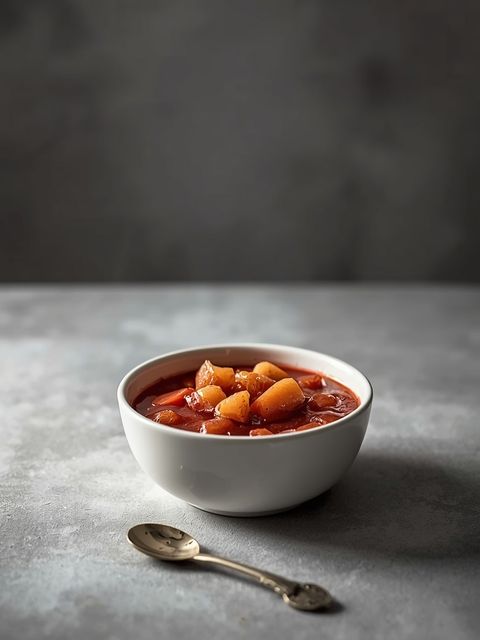
There are numerous alternative techniques for thermal processing of food, such as boiling, steaming, frying and baking. Each method has its own strengths and weaknesses, and choosing the appropriate technique can have a significant impact on the quality of the product and its nutritional value. It is worth contemplating which of these methods is less suitable and why, as well as exploring which technique is the healthiest and allows for the retention of the maximum amount of nutrients.
Fundamentals and significance of thermal processing in food industry: core technological and microbiological considerations
Thermal processing constitutes the deliberate exposure of food raw materials and intermediate products to elevated temperatures to achieve microbial stabilization, alter physicochemical structure, and impart desired sensory attributes—such as aroma, texture, and flavor intensity. This method represents a cornerstone in the production of ready-to-consume foods while ensuring the eradication of potentially hazardous microorganisms, including pathogenic bacteria (e.g., *Salmonella enterica* or *Listeria monocytogenes*), through sustained heating above the 70°C threshold for a minimum duration of three minutes. The mechanism of heat transfer to the processed material depends on the selected technique: this may involve convection in an aqueous medium (boiling, blanching), conduction via fatty media (frying), or steam diffusion (pasteurization, autoclave sterilization).
You have started reading a PRO article
You can preview the first chapter. To read the complete article and unlock all content, upgrade to a PRO account.