The Influence of Berry Fruits on Brain Function – A Review of Studies

Olivia Davis
2026-03-19
6 min. read

1 / 1
10
views
1 zdjęcie
Berry fruits have long been appreciated for their flavor and nutritional content. However, in recent years, their potential impact on brain health has also been increasingly studied. This is particularly relevant in the context of an aging society and a growing number of older people who are interested in ways to maintain their mental fitness and counteract neurodegenerative processes. Berry fruits, due to their high content of antioxidants and other bioactive compounds, may play a key role in this regard. In this article, we will present the latest research findings on this topic and discuss the mechanisms that are responsible for the beneficial effects of berry fruits on the brain.
Health characteristics and bioactive properties of berry fruits – a comprehensive analysis of their nutritional components and physiological benefits
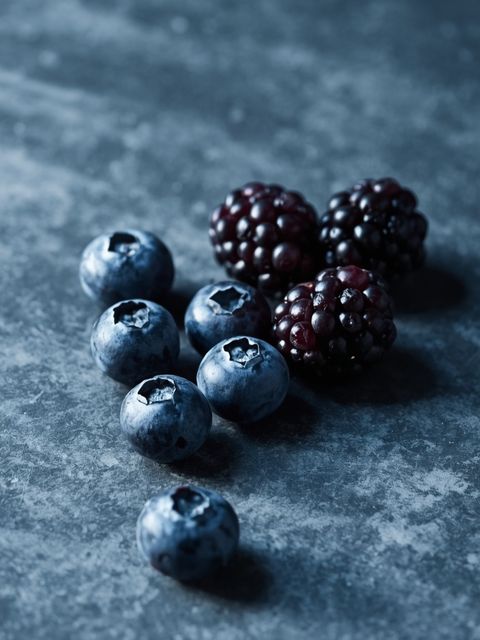
Berry fruits constitute a distinct category of cultivated and wild-growing plants distinguished by their small, fleshy fruits exhibiting vivid hues—ranging from deep red to intense purple—as well as a unique flavor profile that balances sweetness with subtle tartness. This botanical group encompasses raspberries (Rubus idaeus), blackcurrants (Vaccinium myrtillus), wild strawberries (Fragaria vesca), garden strawberries (Fragaria × ananassa), highbush blueberries (Vaccinium corymbosum), red and black currants (Ribes spp.), blackberries (Rubus fruticosus), chokeberries (Aronia melanocarpa), and large-fruited cranberries (Vaccinium macrocarpon). These unassuming fruits are widely recognized in contemporary nutritional science and dietetics as one of the most valuable sources of essential micro- and macronutrients critical for optimal human physiological function. Their distinctive chemical composition includes substantial quantities of both soluble and insoluble dietary fiber, vitamin C (ascorbic acid) in concentrations surpassing many citrus fruits, vitamin K (phylloquinone) vital for blood coagulation processes, electrolytes such as potassium for blood pressure regulation, and manganese involved in carbohydrate metabolism. Of particular note is their exceptionally high polyphenol content—primarily anthocyanins responsible for their intense pigmentation and flavonoids with well-documented antioxidant properties. Scientific research, including a meta-analysis by Olas (2018) published in the "Journal of Berry Research," confirms that regular consumption of these fruits is associated with a reduced risk of cancer (via inhibition of tumor angiogenesis), decreased inflammatory markers (lowering CRP and interleukin-6 levels), enhanced tissue insulin sensitivity (significant for type 2 diabetes prevention), cardiovascular protection (through reduced LDL oxidation and improved endothelial function), and cognitive support (by mitigating oxidative stress in neurons). Furthermore, the phytochemicals present in berry fruits exhibit synergistic cosmeceutical effects—stimulating collagen synthesis in the skin, fortifying hair follicles, and improving nail plate structure, thereby yielding visible enhancements in their condition and appearance.
You have started reading a PRO article
You can preview the first chapter. To read the complete article and unlock all content, upgrade to a PRO account.