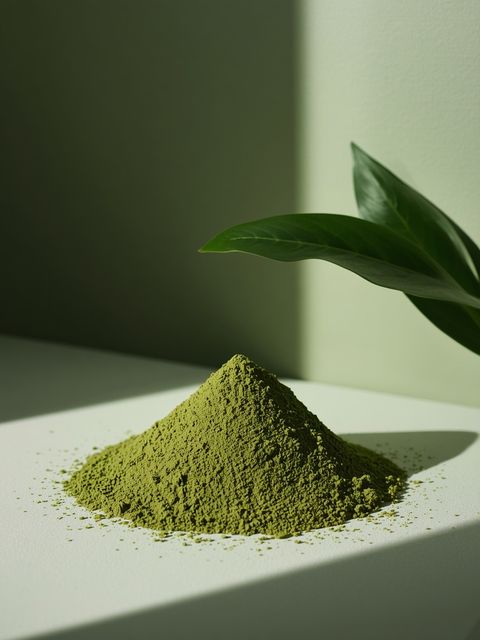
Green Beverage from Japan That Can Replace Coffee – Known as <b>Matcha Tea</b>

Tomasz Jankowski
2026-03-21
6 min. read

1 / 1
6
views
1 zdjęcie
Matcha tea undeniably attracts attention due to its intense green color and properties. What benefits can we expect when we trade a cup of aromatic coffee for an infusion from Japan, known as matcha tea?
The distinctive characteristics of powdered matcha tea: From nutritional components to culinary applications
Matcha represents a specialized variety of green tea that is finely ground into a powder, distinguished by a cultivation process that diverges from conventional methods. The plants destined for matcha production are grown under carefully controlled shading conditions, a practice that significantly alters their biochemical composition and intensifies their flavor profile. Due to this distinctive manufacturing approach, matcha is classified as a premium product, with its most prized varieties derived from the initial harvest of young leaves. Beyond its celebrated taste, this tea is renowned for its beneficial effects on human health—acting as a stimulant, enhancing cognitive performance, and exhibiting potent antioxidant properties. Unlike traditional green tea, matcha is consumed in its entirety, allowing for the complete assimilation of its nutritional components, including minerals, chlorophyll, and polyphenols. Additionally, matcha serves as a versatile natural coloring and flavoring agent in culinary applications, particularly in desserts and baked goods, where less expensive, culinary-grade powders (not intended for high-quality tea infusions) are typically employed.
You have started reading a PRO article
You can preview the first chapter. To read the complete article and unlock all content, upgrade to a PRO account.
Tags