Are Plant and Animal Proteins Truly Superior?

Tomasz Jankowski
2026-03-18
6 min. read

1 / 1
10
views
1 zdjęcie
Proteins play a critical role as a structural and functional component of the human body, and their synthesis within the body necessitates the availability of appropriate amino acids. Proper growth and functioning of the body is closely dependent on the adequate intake of protein, which should constitute between 10 to 20 percent of dietary energy value. From a health standpoint, not only the quantity of protein in food is significant but also the diversity of protein sources.
Roślinne źródła białka: charakterystyka, wartość odżywcza i korzyści zdrowotne w diecie człowieka
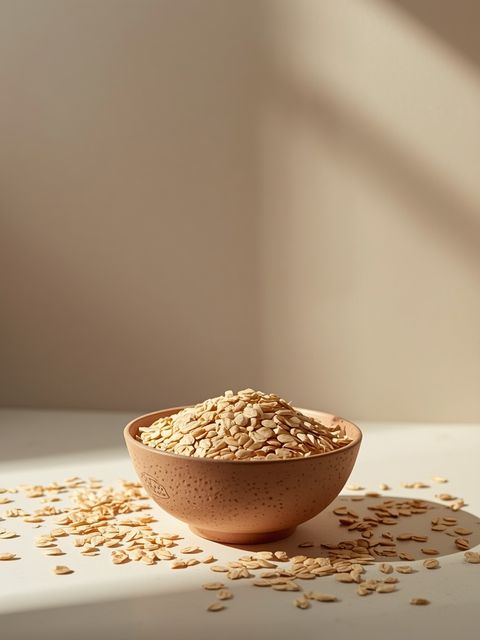
Artykuł szczegółowo analizuje zawartość, strukturę oraz wartość odżywczą białek pochodzenia roślinnego, ze szczególnym uwzględnieniem produktów zbożowych i strączkowych. Omówiono różnice w profilu aminokwasowym poszczególnych gatunków zbóż (pszenica, żyto, owies, jęczmień, ryż) oraz ich wpływ na przyswajalność białka w diecie. Przedstawiono także mechanizmy utraty składników odżywczych podczas przetwarzania przemysłowego (np. obłuszczanie, mielenie) oraz strategie optymalizacji spożycia białka poprzez łączenie różnych grup produktów roślinnych. Dodatkowo scharakteryzowano korzyści zdrowotne wynikające z regularnego spożywania białek roślinnych, w tym ich rolę w regulacji profilu lipidowego, obniżaniu ciśnienia krwi oraz potencjalne działanie przeciwnowotworowe. Podkreślono znaczenie praktyczne dla wegetarian i osób stosujących dietę roślinną, ze wskazówkami dotyczącymi komplementarnego łączenia źródeł białka w celu uzyskania pełnowartościowego profilu aminokwasowego.
You have started reading a PRO article
You can preview the first chapter. To read the complete article and unlock all content, upgrade to a PRO account.