
1 / 1
1 zdjęcie
505
L-Carnitin: Alle wichtigen Informationen auf einen Blick!
Rotes Fleisch
L-Carnitin
Nahrungsergänzungsmittel
Fleisch
Komplex
Isabella Taylor
Autor
2026-03-25
Datum
3 Min. Lesezeit
article.read_time
6
Kapitel
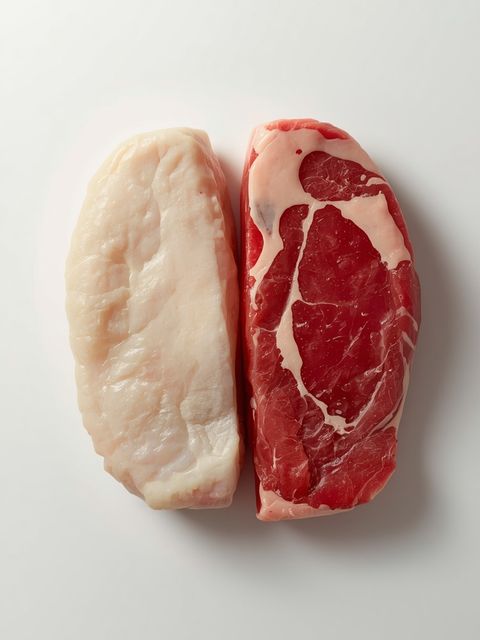
L-Carnitin ist eine organische chemische Verbindung, die ähnlich wie ein Vitamin ist und erstmals im frühen 20. Jahrhundert entdeckt und isoliert wurde. L-Carnitin kann dem Körper sowohl durch endogene Synthese als auch durch Nahrung und Nahrungsergänzungsmittel zugeführt werden. Die besten Quellen für L-Carnitin in der täglichen Ernährung sind rotes Fleisch sowie Milch und ihre Derivate. L-Carnitin spielt eine entscheidende Rolle bei der Optimierung der Energieprozesse und ist für die ordnungsgemäße Funktion der Mitochondrien unerlässlich. Eine Supplementierung mit L-Carnitin kann besonders für Personen nützlich sein, die einen erhöhten Bedarf an dieser Verbindung aufweisen, wie beispielsweise Sportler, sowie für Personen, die einem Risiko eines L-Carnitin-Mangels ausgesetzt sind, wie beispielsweise Vegetarier und Veganer.
Im Vorgang
L-Carnitin ist eine Verbindung mit starker antioxidativer Wirkung, die in gewissem Maße dazu beitragen kann, den Alterungsprozess zu verlangsamen, insbesondere durch die Begrenzung des negativen Einflusses von überschüssigen freien Radikalen. L-Carnitin erfüllt viele verschiedene Funktionen, obwohl die wichtigste dieser Funktionen die aktive Unterstützung und Stimulierung der β-Oxidation von Fettsäuren zu sein scheint. L-Carnitin ist hauptsächlich für den Transport von Fettsäuren mit langen Kohlenstoffketten direkt in den inneren Raum der Mitochondrien verantwortlich, in dem der zuvor erwähnte Prozess stattfindet. L-Carnitin ist auch an der Verstoffwechselung von Kohlenhydraten beteiligt, was für Sportler, die sich anstrengenden und lang andauernden körperlichen Aktivitäten widmen, von großer Bedeutung ist.
Anwendungsmöglichkeiten von L-Carnitin
L-Carnitin hat vor allem die Aufmerksamkeit von Menschen auf sich gezogen, die ihr Körpergewicht normalisieren möchten. Dank der Möglichkeit, es bei der Fettreduktion einzusetzen. Zweifellos hat es auch das Interesse von körperlich aktiven Menschen geweckt, die es als Nahrungsergänzungsmittel betrachten, das dazu beitragen kann, die Widerstandsfähigkeit gegen Ermüdung zu erhöhen und die Kraft- und Sauerstoffbelastbarkeit zu verbessern, was sich in den kommenden Wochen positiv auf die Ergebnisse auswirken sollte. Ältere Menschen können L-Carnitin zur Verbesserung der motorischen und kognitiven Fähigkeiten verwenden. L-Carnitin hat eine positive Wirkung auf das Nervensystem, unabhängig vom Alter der Teilnehmer an den Studien. Es sollte ebenfalls nicht übersehen werden, dass es eine wichtige Rolle in Herz-Kreislauf-Erkrankungen, Muskelschäden, Leber- und Nierenerkrankungen sowie vielen anderen Fällen spielt, die in der klinischen Praxis auftreten. Allerdings ist die Anwendung von L-Carnitin außerhalb des Sports sehr komplex und kann je nach konkretem Fall stark variieren. Daher lohnt es sich, vor der Verwendung in therapeutischen Zwecken einen Arzt zu konsultieren.
Dosierung und Art der Verabreichung
Es gibt keine universelle Dosierung von L-Carnitin, die für jeden Menschen garantiert das volle Spektrum seiner Wirkung bietet, wenn es in Form von Nahrungsergänzungsmitteln eingenommen wird. Die Supplementierung von reinem L-Carnitin wird jedoch üblicherweise in einem Bereich von 500 bis 2000 mg in Betracht gezogen. Es wird empfohlen, diese Menge auf mehrere (d.h. 2-3) kleinere Dosen aufzuteilen, die über den Tag verteilt eingenommen werden sollten, was auch von den Herstellern der auf dem Markt erhältlichen Produkte üblicherweise empfohlen wird. Höhere Dosierungen von 3000 mg/Tag, die ebenfalls vollkommen sicher erscheinen, können beispielsweise von professionellen Sportlern oder ehrgeizigen Amateuren verwendet werden. Die empfohlene Dosierung kann je nach verwendeter Form der Verbindung in einem bestimmten Nahrungsergänzungsmittel leicht variieren. Die am häufigsten vorkommenden sind Acetyl-L-Carnitin (ALCAR) und L-Carnitin Tartrat.
Einschränkungen bei der Verwendung von L-Carnitin
Auf der Grundlage der neuesten Forschungsergebnisse kann davon ausgegangen werden, dass L-Carnitin vollkommen sicher und gut von menschlichen Organismen vertragen wird, weshalb es keine eindeutigen Einschränkungen bei der Verwendung gibt. Toxikologische Studien haben keine schädlichen Nebenwirkungen im Zusammenhang mit der Anwendung von L-Carnitin gezeigt.
Ungewollte Nebenwirkungen
Während der Einnahme der empfohlenen Tagesdosen von L-Carnitine ist die Wahrscheinlichkeit von ungewollten Nebenwirkungen äußerst gering, obwohl bestimmte Personen verhältnismäßig sichere Magen-Darm-Symptome wie Übelkeit oder Durchfall erfahren können.
Darstellung des Auftretens
L-Carnitin befindet sich in Produkten wie: Fleisch (Lamm, Rind, Schwein, Pferd); Fisch; Milchprodukte; Pilze (Champignons, Austernpilze); sowie pflanzliche Lebensmittel (Gurke, Karotte, Avocado, Soja).