3 min read
Antioxidant vitamins after training – why it's not the best idea
1 photo
719
Smart Voice
AI
0:00
0:00
Listen to the article content live
Table of Contents 4
Medical & Editorial Disclaimer (§3 Terms): This article is for informational and educational purposes only, does not constitute medical advice, diagnosis, or treatment, and is used at your own risk. Consult a qualified physician for medical conditions.
Clinical E-Books & Diet Plans:
Explore E-Books & Plans →
Key Takeaways
Vitamin acids and antioxidants are widely regarded as symbols of health, yet their application surrounding exercise sessions requires a nuanced perspective. This article explores why the intake of high-dose supplements immediately before or after physical exertion may inadvertently interfere with the body's natural adaptation processes. Understanding these physiological dynamics is essential for anyone aiming to optimize their physical performance through structured training.
Physical exertion naturally triggers inflammatory responses, which serve as critical signals for the body to initiate tissue repair and adaptation. Free radicals and pro-inflammatory cytokines act as necessary catalysts for these biological adjustments. An excessive intake of antioxidants can blunt these signals, potentially hindering the body's ability to maximize the gains in lean muscle mass that typically follow consistent strength training, even if strength levels remain comparable.
To best support health and performance, it is advisable to view antioxidants as components of a well-rounded diet rather than as isolated supplements timed around workouts. Instead of relying on concentrated doses, individuals should focus on nutrient-dense whole foods that support long-term recovery and health without disrupting the natural, training-induced signaling pathways that drive physical progress.
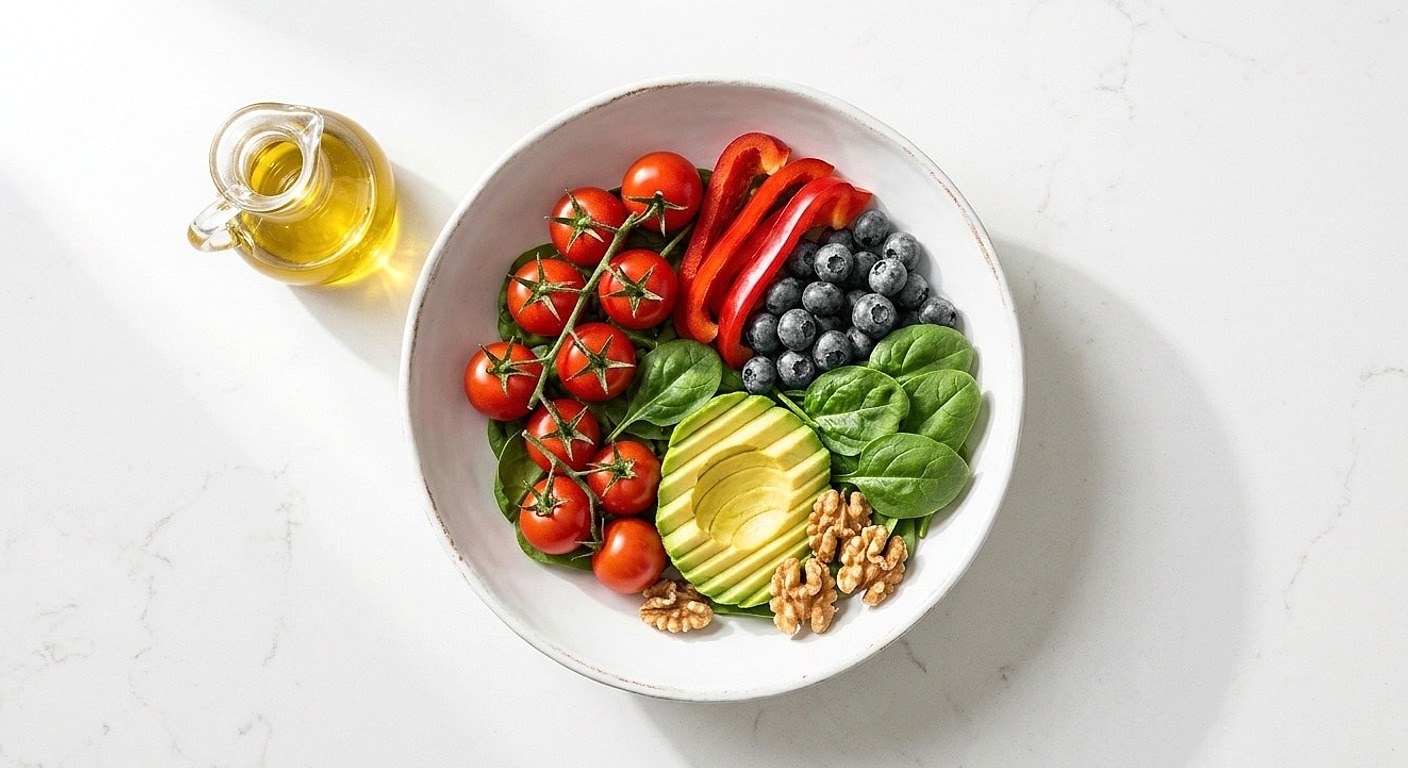
Vitamin acids, including ascorbic acid, are considered by most individuals as a symbol of all that's wholesome and nutritious.
01 / 04
Antioxidants and inflammatory conditions
Inflammatory conditions are a frequently used and often misunderstood term. Substances such as cytokines, which are markers of inflammatory conditions, are actually produced by the immune system. The appearance of inflammation can be triggered, for example, by excessive oxidative stress and an increase in the concentration of free radicals. The appearance of pro-inflammatory cytokines is usually a natural reaction of the body that supports the regeneration of damaged tissues or the removal of organisms. However, when there are too many oxidizers and cytokines, it can lead to damage to healthy tissues. An excess of inflammatory conditions can increase the likelihood of developing an inflammatory disease and negatively affect health and life expectancy. Inflammatory conditions can be metaphorically likened to a hammer in the home toolbox. Sometimes a hammer is very necessary and useful when you need to hit something. However, if we start using it for every repair job, or even in places where nothing needs to be repaired, it will only lead to destruction. Antioxidants that we find in food can combat the presence of oxidizers and free radicals and at the same time lead to a reduction in inflammatory conditions. This is particularly beneficial in combating chronic inflammatory conditions that can develop into inflammatory diseases.
02 / 04
Inflammatory States and Exercise Adaptations
There is a strong correlation between inflammatory states and physical activity. This dependence is not simple, at least not at first glance. It turns out that intense exercise leads to the generation of free radicals and the release of pro-inflammatory cytokines by the immune system. In the short term, exercise can lead to an inflammatory state, but it is a completely normal and desired response that allows for appropriate regeneration. After a few weeks or months of regular physical activity, the resting levels of inflammatory markers will decrease. In a longer perspective, individual increases in inflammatory states act like a vaccine, leading to cumulative health improvement and reduction of inflammation. All this is connected with the theory of hormesis, which says that a sudden, but fleeting stress factor leads to the strengthening of the entire system. Intense exercise is an excellent example of the hormetic mechanism, as it causes a transient increase, followed by a long-term decrease in inflammation. Therefore, a natural question arises - can the intake of antioxidants before and after exercise lead to inhibition of muscular adaptations and some health benefits? Norwegian scientists have attempted to answer this question.
03 / 04
Investigations on antioxidants surrounding exercise
The study involved 34 men who were divided into two groups. One group received 500 mg of vitamin C and 117.5 mg of vitamin E prior to and following training sessions. The other group received placebo tablets. The study lasted for 12 weeks, during which the participants conducted 3 weekly strength training sessions. The assumptions were confirmed. Both groups noted a comparable increase in strength, however, the group that received placebo tablets recorded a significantly higher increase in lean body mass, suggesting a greater muscle mass increase. The fact of taking antioxidants indeed decreases inflammatory processes, but in the context of physical activity, it also means preventing necessary adaptations.
04 / 04
Should we avoid antioxidants?
The outcomes of the referenced study should be meticulously scrutinized. It is certainly advisable to consume antioxidants, as they contribute to health enhancement and decrease chronic inflammatory states. However, ingesting vitamin C or vitamin E immediately before and after workouts is not the most effective method if our aim is to improve our physical form. The amounts of antioxidants utilized in these studies are generally too high to be derived from natural sources. Therefore, we should refrain from supplements, including multivitamins, which can incorporate substantial quantities of antioxidants in a single pill that may impair the anabolic response to exercise.
Meal Plan
Want to apply these guidelines in your daily diet?
Our smart diet generator creates a tailored meal plan in 3 minutes based on the recommendations in this article.
Tags

Isabella Taylor
• 25.11.2026Diets Premium Expert
Diets Premium team expert. Specializes in nutrition plans, strength sports, and training plans.